
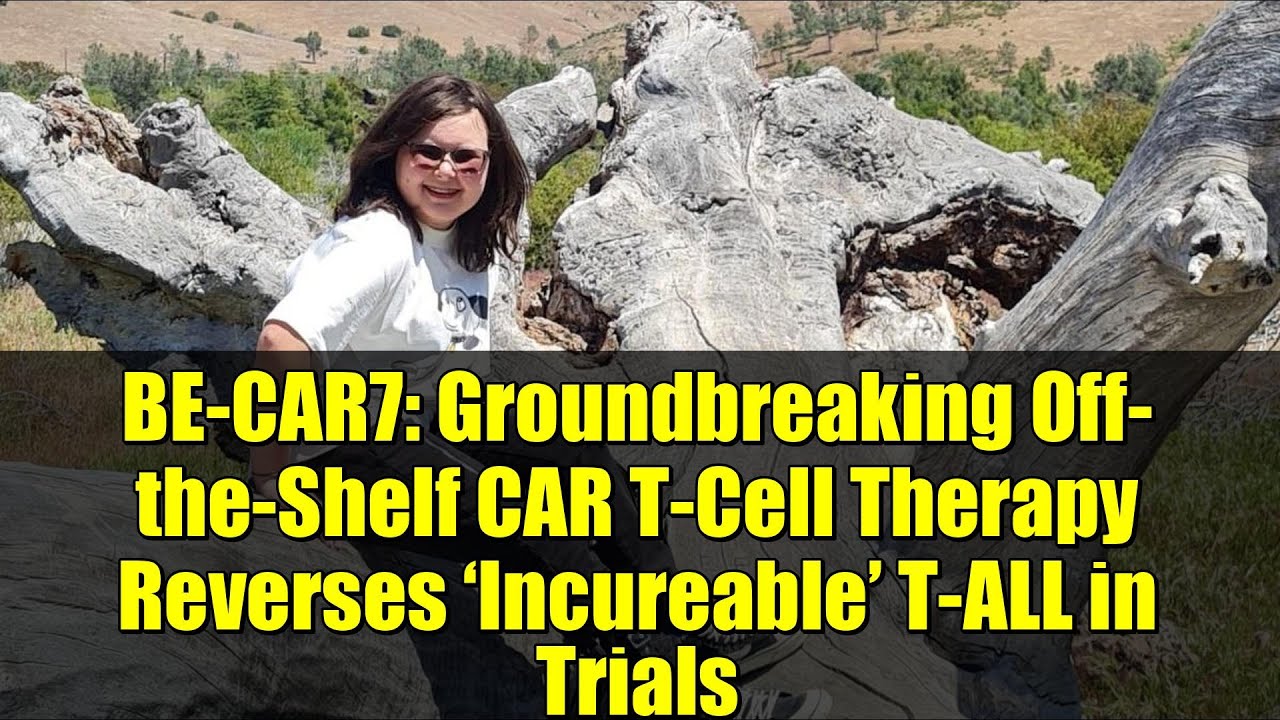
Updated Results for BE-CAR7 Gene Therapy in Rare Leukemia Trials
Edited by: Maria Sagir
New findings regarding the BE-CAR7 gene therapy, which targets T-cell acute lymphoblastic leukemia (T-ALL), were recently unveiled in the December 2025 edition of the New England Journal of Medicine. This innovative treatment approach was developed collaboratively by researchers at Great Ormond Street Hospital for Children (GOSH) and University College London (UCL). The therapy utilizes donor immune cells that have been precisely modified using 'base editing' technology.
Base editing represents an advancement over the standard CRISPR methodology, allowing for the accurate alteration of single nucleotides within the DNA sequence. This precision significantly mitigates the risk of broader chromosomal damage. The goal of the BE-CAR7 therapy is to engineer 'universal' CAR T-cells, thereby eliminating the critical requirement for a genetic match between the cell donor and the patient receiving treatment. The clinical trial commenced with the initial administration in 2022, subsequently treating nine pediatric patients and two adults whose T-ALL had proven resistant to conventional chemotherapy or prior bone marrow transplants.
At the 67th Annual Meeting of the American Society of Hematology, key efficacy metrics were presented, highlighting the long-term outcomes for this cohort. The published data indicated that a substantial 82% of patients achieved a very deep remission. This level of response allowed these individuals to proceed to stem cell transplantation without any detectable residual disease. Furthermore, 64% of the study participants remain disease-free. Notably, Alyssa Tapley, the very first patient treated in 2022 at the age of 13, continues to maintain a sustained remission spanning three years.
Professor Waseem Qasim of UCL, who spearheaded the development of this therapy, commented on the cells' effectiveness. He noted that the modified CAR T-cells successfully eradicated even highly refractory forms of CD7-positive leukemia. The engineering process involves removing the CD7 and CD52 receptors from the cells. This step is crucial for rendering the cells essentially invisible to the patient's existing immune system, thereby preventing adverse reactions.
Despite these encouraging results, the research team emphasized that BE-CAR7 marks a significant milestone rather than the final destination in treating this aggressive cancer. The manageable side effects observed, such as cytokine release syndrome and transient drops in white blood cell counts, were comparable to those seen with other CAR-T therapies. Professor Burhan Turgut pointed out that following this treatment, a subsequent stem cell transplant often remains necessary to fully reconstitute the patient's immune system.
Dr. Tanya Dexter from the Anthony Nolan organization, which supplied the necessary donor cells, expressed optimism regarding the findings. However, she stressed that Phase 1 necessitates continued rigorous investigation. Support from various foundations, including the GOSH Charity, which has committed over 2 million pounds sterling to fund treatment for an additional 10 patients, is vital for expanding the patient cohort and gathering further data.
16 Views
Sources
Milliyet
The Independent
SciTechDaily
RegMedNet
Science Media Centre
ResearchGate
Read more news on this topic:

Did you find an error or inaccuracy?
We will consider your comments as soon as possible.