
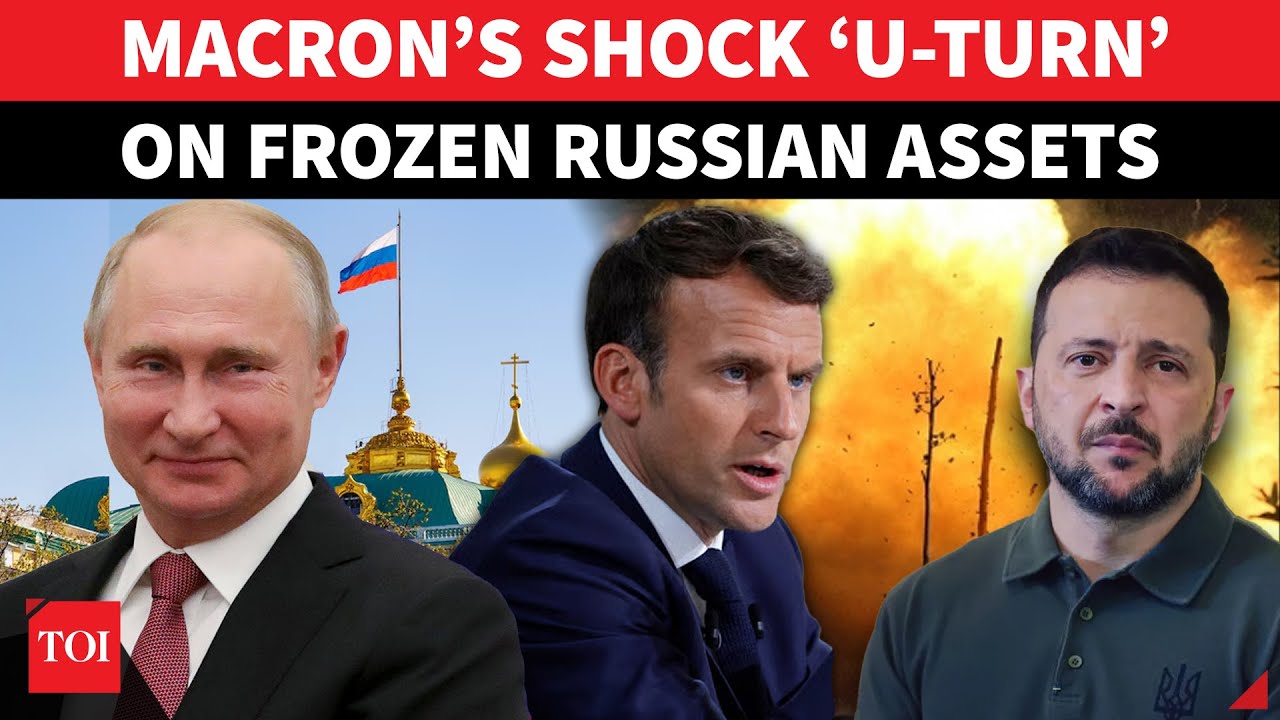
EU Imposes Indefinite Freeze on Russian Assets to Fund Ukraine Support
Edited by: Tatyana Hurynovich
In a significant move finalized through a written procedure in December 2025, twenty-five of the twenty-seven European Union member states established a legal framework to utilize frozen Russian state assets for the benefit of Ukraine. This decision institutes a permanent prohibition on repatriating the funds belonging to the Central Bank of the Russian Federation that are currently blocked within EU jurisdictions. The total value of these immobilized assets is estimated to be around 210 billion euros. A substantial portion of this amount, approximately 185 billion euros, is currently managed by the Belgian financial clearinghouse, Euroclear.
The primary motivation behind this resolution is to circumvent the logistical hurdle of requiring annual unanimous renewal of sanctions. This necessity previously created a vulnerability, exposing the measures to potential vetoes from individual member states, notably Hungary and Slovakia. European leaders, including the President of the European Council, António Costa, are focused on guaranteeing sustained financial assistance for Kyiv. This support is intended to manifest as a loan of up to 165 billion euros, earmarked to cover both military and civilian necessities throughout 2026 and 2027.
Crucially, the EU envisions that this substantial loan will only need to be repaid by Ukraine if, and when, Russia provides compensation for the damages inflicted by the war. This mechanism ties the repayment obligation directly to future reparations from Moscow. The legal justification for proceeding with a qualified majority vote, thereby bypassing the unanimity requirement, was found within Article 122 of the Treaty on the Functioning of the European Union (TFEU).
EU representatives maintain that this application of Article 122 is warranted, arguing that Russia's unprovoked aggression against Ukraine presents severe economic challenges across the entire Union, thus meeting the treaty's criteria for addressing crisis situations. However, Hungarian Prime Minister Viktor Orbán has vehemently criticized this approach. He has publicly declared it a breach of European law and has reportedly initiated legal action against the Council of the EU in court, challenging the legitimacy of the decision-making procedure.
In direct response to the EU’s action, the Central Bank of the Russian Federation has filed a lawsuit against Euroclear in the Arbitration Court of Moscow. The Russian regulator contests the legality of the depository’s actions and the European Commission's plans, asserting that any deployment of its sovereign assets without explicit consent constitutes a violation of the principles of sovereign immunity. Valdis Dombrovskis, the European Commissioner for Economy, dismissed the lawsuit as speculative and unfounded, firmly maintaining that the EU’s procedure fully adheres to international legal norms.
The EU’s maneuver represents a strategic shift from temporary asset blocking to a sustained restriction on the return of sovereign funds, effectively serving as a legal workaround to potential vetoes. Further discussions regarding the specifics, including the provision of guarantees to Belgium, are anticipated at the upcoming EU summit scheduled for December 18. Concurrently, reports indicate that Russia has drafted retaliatory measures. These potential countermeasures could involve the confiscation of assets belonging to European entities currently held in Russia’s 'Type C' accounts. The December 2025 decision thus inaugurates a new, more entrenched phase in the ongoing financial and legal confrontation between the parties.
25 Views
Sources
Der Tagesspiegel
tagesschau
DIE ZEIT
Reuters
FAZ
Read more news on this topic:

Did you find an error or inaccuracy?
We will consider your comments as soon as possible.