
Italian Cuisine Inscribed as UNESCO Intangible Heritage, Citing Biocultural Diversity
Edited by: Olga Samsonova
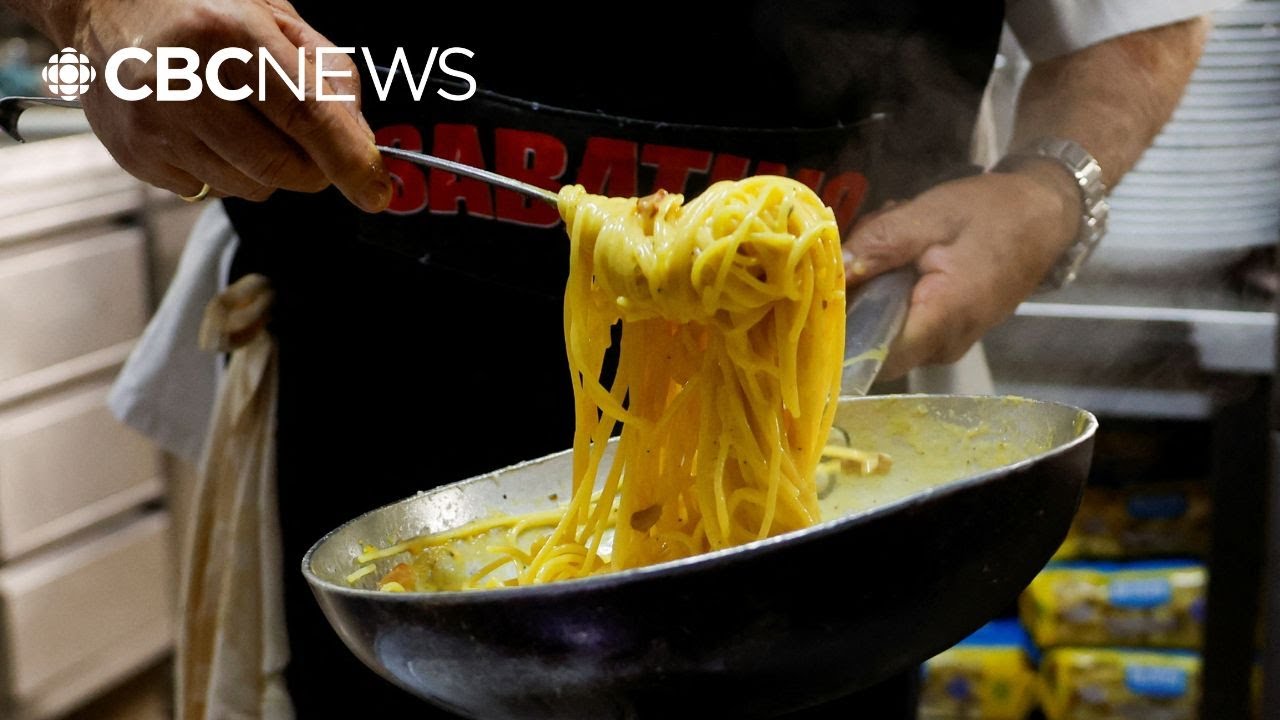
Italian gastronomy has officially been inscribed onto the UNESCO Intangible Cultural Heritage list, marking a significant first as the designation was awarded to an entire national cuisine rather than a specific tradition or recipe. The Intergovernmental Committee finalized this decision during its assembly convened in New Delhi, India, on Wednesday, December 10, 2025.
This recognition formally elevates the cultural model inherent in Italian food preparation, which emphasizes sustainability and biocultural diversity by linking landscape, climate, and culinary practice. The acknowledgment specifically highlights the artisanal contributions of the 'cuochi contadini' (farmer-chefs) and the importance of localized agricultural outputs, such as those from the Calabria region. Italian officials view this status as a validation of a cultural framework and a strategic asset expected to bolster the national economy.
Industry groups have projected that the UNESCO recognition could catalyze an eight percent increase in tourism to Italy over the subsequent two years, potentially adding 18 million visitors. The global economic footprint of Italian gastronomy is substantial, estimated at 251 billion euros, representing a 4.5 percent year-on-year growth according to Deloitte's Foodservice Market Monitor 2025 analysis. This sector currently accounts for 19 percent of the global full-service restaurant market, with the United States and China collectively driving over 65 percent of the international consumption of Italian food products.
To actively safeguard and promote this heritage, institutional measures are being implemented. The Academy of Italian Food and Wine Culture has been established to facilitate professional training, aiming to build a network of accredited experts designated as 'Guardians of Italian Enogastronomic Culture.' Concurrently, the International Observatory on Italian Cuisine and Good Taste was announced to oversee the ongoing monitoring and enhancement of this cultural asset.
UNESCO’s description of Italian cuisine centers on its nature as a communal activity stressing intimacy with food, respect for raw materials, and the sharing of moments around the table. The practice is fundamentally rooted in anti-waste recipes and the intergenerational transmission of skills and collective memories, fostering social inclusion and well-being. This inscription places Italian cooking alongside other living practices such as Korean kimchi-making on the Intangible Heritage list, though Italy already holds a record with 20 other food-related traditions inscribed, including the Mediterranean diet and Neapolitan pizza-making.
10 Views
Sources
ReggioTV Canale 14
LaPresse
Fanpage
Unesco Commissione Nazionale Italiana per l'Unesco
Ambasciata d'Italia Abuja
Food Affairs
Read more news on this topic:



Did you find an error or inaccuracy?
We will consider your comments as soon as possible.