
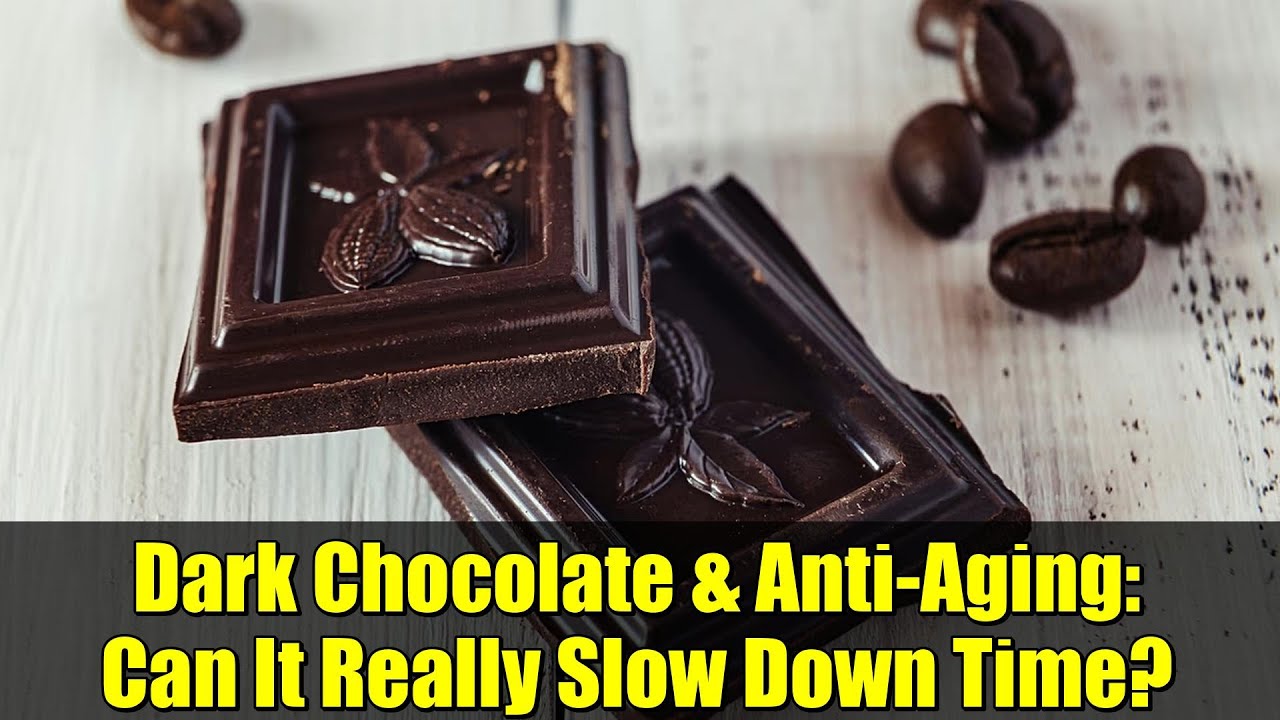
Theobromine Linked to Slower Biological Aging in European Cohorts
Edited by: Olga Samsonova
New research originating from King's College London suggests a significant association between elevated blood concentrations of theobromine and a decelerated pace of biological aging in human populations. The investigation, published in the journal Aging on December 10, 2025, centered on analyzing this specific alkaloid naturally present in cocoa products like dark chocolate.
The research team meticulously examined circulating theobromine levels in the bloodstream and juxtaposed these figures against established molecular indicators of biological age. The study utilized two distinct European cohorts to solidify its findings: 509 individuals from the TwinsUK study and 1,160 participants from the KORA study, totaling 1,669 subjects. Researchers quantified biological age using two primary methodologies: assessing DNA methylation patterns, which function as time-dependent markers on the genome, and measuring telomere length, the protective caps on chromosomes that shorten with advancing age.
The analysis revealed a consistent trend: individuals exhibiting higher circulating theobromine demonstrated a biological age measurably younger than their chronological age. This finding positions theobromine, an alkaloid also known for being toxic to canines, as a compound with potential longevity benefits, building upon prior knowledge of cocoa's positive effects on cardiovascular health.
The research team, which included senior author Professor Jordana Bell, a Professor in Epigenomics at King's College London, and Postdoctoral Research Associate Dr. Ricardo Costeira, specifically tested other metabolites from cocoa and coffee but determined the observed effect appeared unique to theobromine. This specificity suggests that theobromine may interact directly with the cellular machinery controlling gene activity, influencing health and lifespan.
Despite the correlation, the researchers issued a measured caution against immediately increasing dark chocolate consumption as a direct anti-aging strategy. They emphasized that commercial chocolate products frequently contain substantial amounts of sugar and fat, which can counteract potential benefits derived solely from theobromine. Dr. Costeira noted that this population-level analysis highlights a novel molecular mechanism through which naturally occurring dietary compounds might support health, underscoring the value of further investigation into this association.
The study is considered 'hypothesis-generating,' opening avenues for future, controlled, long-term trials to definitively establish causality between dietary theobromine intake and the modulation of human aging markers. Cocoa, rich in polyphenols like epicatechin, is generally recognized for supporting cardiovascular and cognitive health by reducing oxidative stress and inflammation, processes intrinsically linked to biological aging.
10 Views
Sources
Pravda.sk
Wales Online
UNN
RealClearScience
SciTechDaily
Read more news on this topic:



Did you find an error or inaccuracy?
We will consider your comments as soon as possible.