
NUS Enzymes Enhance Carob Pulp as Climate-Resilient Cocoa Alternative
Edited by: Olga Samsonova
Researchers at the National University of Singapore (NUS) have developed novel enzymatic methods to convert carob pulp into a viable, climate-resilient substitute for traditional cocoa, specifically targeting historical flavor deficiencies that have hindered its market adoption. This research, led by Associate Professor Liu Shao Quan of the Department of Food Science and Technology, addresses the increasing vulnerability of global cocoa supplies to diseases and market volatility, underscored by cocoa prices reaching an average of US$10,709.30 per tonne in January 2025, according to the International Cocoa Organization.
The innovation centers on two distinct, scalable enzymatic processes engineered to replicate the complex flavor profile of chocolate. The first technique involves treating roasted carob pulp with enzyme-treated soy protein, a step that elevates the content of amino acids and peptides. This enrichment intensifies key cocoa-like aroma compounds, specifically 2-methylbutanal and 3-methylbutanal, which are critical contributors to the characteristic taste of dark chocolate. This method was detailed in the Journal of Food Science on July 18, 2025.
A complementary process focuses on generating natural monosaccharides within the carob pulp itself. By incubating the carob pulp powder mixed with water and the enzyme at 50 degrees Celsius for 1.5 hours, hydrolysis breaks down sugars into smaller fragments. These simple sugars then react during the subsequent roasting phase to generate desirable sweet, roasted, and caramel notes, a set of results documented in Food Chemistry on June 16, 2025. PhD student Manfred Ku, the first author on both papers, noted that this enzyme treatment offers a straightforward alternative to processes requiring harsh chemicals like hydrochloric acid.
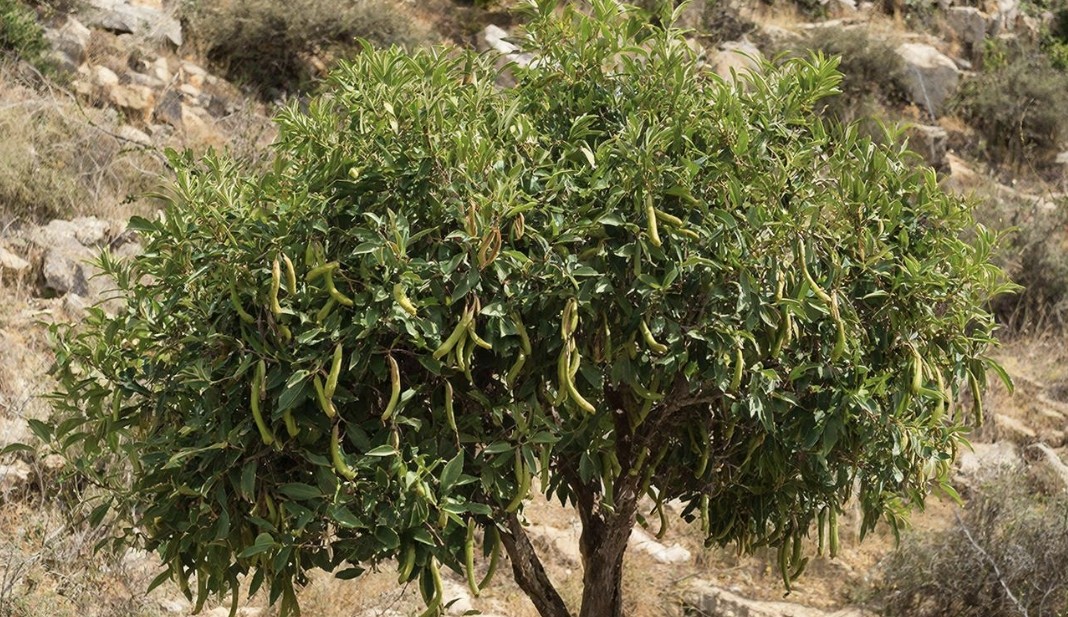
The utilization of carob, derived from the hardy *Ceratonia siliqua* tree, presents significant sustainability advantages over *Theobroma cacao*, as the carob tree demonstrates high drought tolerance and resilience to severe weather. Furthermore, carob pulp is a readily available byproduct from the manufacturing of locust bean gum, a common thickening agent. Leveraging this existing material adds value to the supply chain and reduces agricultural waste, potentially stabilizing ingredient pricing for manufacturers amid current cocoa supply chain disruptions. Carob powder is also naturally caffeine-free and contains d-pinitol, a compound associated with anti-diabetic effects.
The successful enhancement of carob’s flavor profile provides a scientifically validated pathway for the confectionary sector to integrate carob into products such as chocolate bars and cocoa powders. This development could foster a more diversified ingredient portfolio, reducing reliance on volatile cocoa sources. While the Global Carob Chocolate Market was valued at USD 834.68 million in 2024, overcoming this flavor hurdle is essential for capturing a larger share of the market currently dominated by cocoa.
20 Views
Sources
Mirage News
National University of Singapore (NUS)
ResearchGate
National University of Singapore (NUS)
National University of Singapore (NUS)
PubMed
Read more news on this topic:


Did you find an error or inaccuracy?
We will consider your comments as soon as possible.