
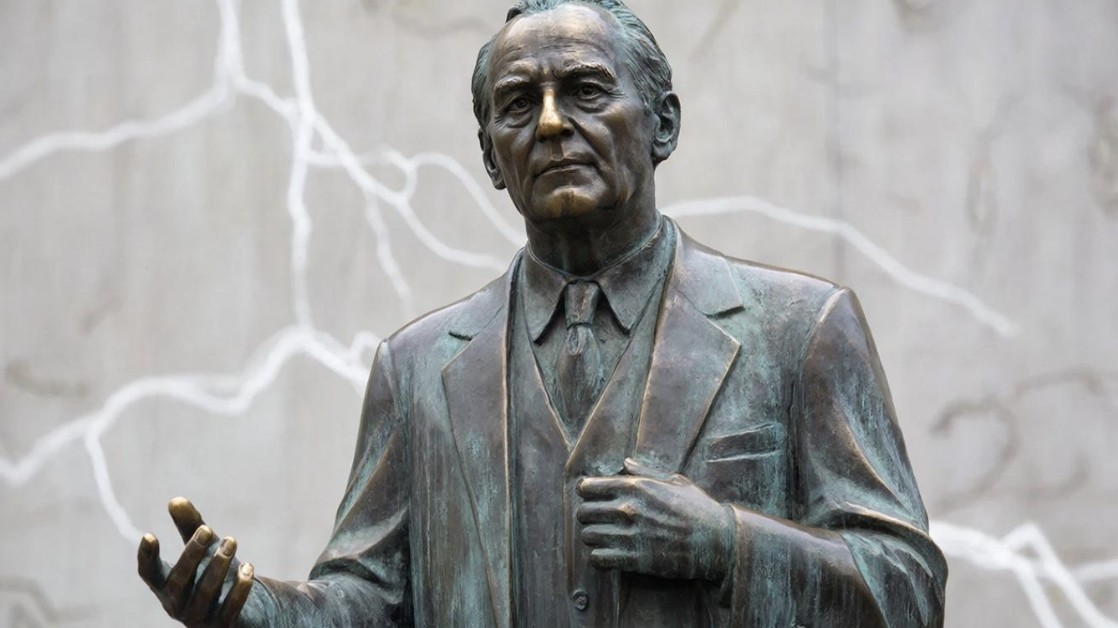
Nikola Tesla's Strict Diet Echoes Modern Intermittent Fasting Principles
Edited by: Olga Samsonova
The rigorous dietary regimen followed by inventor Nikola Tesla demonstrates a notable alignment with contemporary wellness practices, particularly intermittent fasting. Tesla structured his daily caloric intake around a precise two-meal schedule, consistently omitting the midday meal. He rationalized this spacing as corresponding with the perceived rhythms of the Earth's rotation, establishing a fasting window of at least 12 hours between his evening and morning consumption, a pattern now recognized in modern autophagy and intermittent fasting protocols.
For his first meal, Tesla favored easily assimilated and protein-dense foods, often selecting milk and egg whites, sometimes supplemented with cheese or fruit. He considered milk the most complete food from nature, providing necessary strength, while he discarded egg yolks, deeming them too heavy, focusing exclusively on the protein-rich whites. This minimalist approach contrasted with the substantial breakfasts common among affluent Americans of that era, which frequently included items such as oysters, steaks, and fried potatoes.
Tesla’s evening meal was intentionally lighter, often consisting of vegetable soup, emphasizing vegetables for adequate vitamin intake and intestinal regulation. Research detailed in *Teslin banket* by Milijan Stojanić chronicles Tesla's consistent two-meal pattern maintained throughout his life. Stojanić, a Serbian culinary writer, dedicated more than two decades to researching the scientist's gastronomic preferences, resulting in a Serbian-English menu of Tesla's diet.
Generally, Tesla leaned toward a plant-based diet, though he rarely consumed fish or meat, a practice he adopted around age 40 after recovering from cholera. He avoided these items based on a conviction that they significantly increased uric acid levels, which he linked to physical ailments. He specifically noted that fish, often considered brain food, carried a strong acid reaction due to its phosphorus content. Later in life, his diet emphasized honey, bread, milk, and vegetable juices.
Crucially, Tesla rigorously avoided common stimulants, including tobacco and coffee, to maintain the peak mental clarity required for his demanding scientific work. He expressed a conviction that within a century, cigarettes, tea, and coffee would become obsolete, though he believed alcohol would persist as an "elixir of life" rather than solely a stimulant. Tesla had previously been strongly addicted to coffee to the extent that he felt his heart was overstrained, leading him to eliminate it entirely and label caffeinated drinks as "rank poisons." His commitment to abstinence was also evident when he quit smoking entirely in his early twenties at his sister's request for her recovery from a serious illness.
Tesla viewed his body as a finely tuned machine, asserting that the quality of fuel directly dictated the sharpness of his mind, thus seeking efficiency and purity in his inputs. He believed that insufficient exercise and poor diet led to toxic conditions, preventing the body from expelling accumulated poisons. His disciplined approach, which included walking ten miles daily, was, in his view, a matter of "common sense" tactics for extending one's lifespan beyond the average of his time.
19 Views
Sources
Krstarica
Medium
Medium
Science Magazine
Popular Mechanics
Read more news on this topic:

Did you find an error or inaccuracy?
We will consider your comments as soon as possible.