
AI Deployed for Precise Population Assessment of Endangered Ladoga Seals
Edited by: Olga Samsonova
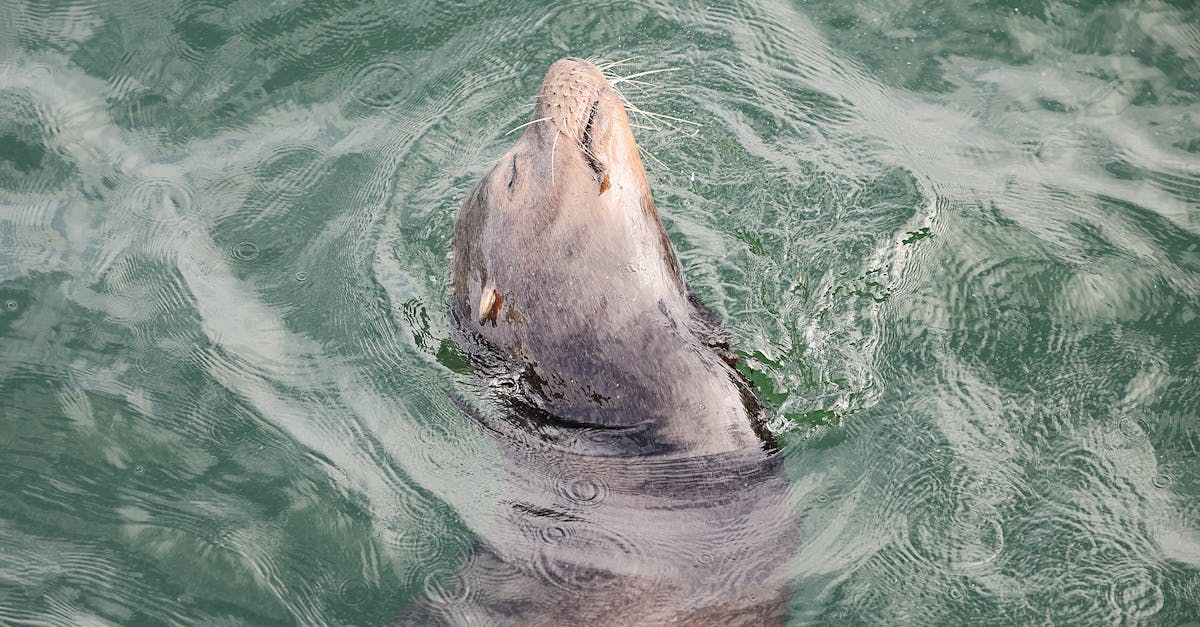
Conservation efforts focused on the Ladoga ringed seal are advancing with the integration of artificial intelligence for superior population metrics. The 'Fund for Friends of the Baltic Ringed Seal' has formally partnered with specialists from ANO 'Eco-Factor' to pioneer and implement this advanced counting methodology within Lake Ladoga, Russia.
This novel technique utilizes unmanned aerial vehicles (UAVs) equipped with infrared aerial photography. The resulting imagery is then processed by machine learning algorithms. Proponents of this AI-driven approach argue it yields significantly more dependable population figures than conventional visual counts performed on the ice, which are prone to undercounting seals obscured by ice or submerged in water.
The Ladoga ringed seal, scientifically designated as Pusa hispida ladogensis, is an endemic subspecies restricted to the waters of Lake Ladoga in northwestern Russia. This subspecies is classified as vulnerable on the International Union for Conservation of Nature (IUCN) Red List and within the Red Data Book of the Russian Federation. Historical data indicates a substantial decline, with the population falling from an estimated 20,000 individuals in the 1930s to between 3,000 and 5,000 by the turn of the 21st century. Current estimates suggest approximately 6,000 seals remain, underscoring the need for accurate, continuous monitoring.
The species faces persistent anthropogenic pressures, including entanglement in commercial fishing nets and habitat degradation from increased recreational tourism on Lake Ladoga, Europe's largest freshwater body at 17,891 km2. The application of the new AI counting system is scheduled to commence in March 2026, representing a tangible step toward data-driven management strategies. This technological shift aligns with broader national and international efforts to digitize wildlife surveillance, as similar drone and AI processing methods have successfully tracked other threatened pinnipeds.
Data gathered from this system will be crucial for addressing threats such as habitat destruction from shoreline development, snowmobile traffic, and potential pollution from increased vessel activity. Vital summer refuges, such as the Valaam Archipelago, are known to accommodate at least 9-15% of the population. Successful implementation here could establish a monitoring template for other isolated populations, including the related, critically endangered Saimaa ringed seal in Lake Saimaa.
7 Views
Sources
Рамблер
ФедералПресс
Балтийский фонд природы
Национальный парк «Ладожские шхеры»
Мой ласковый и нужный зверь
Read more news on this topic:



Did you find an error or inaccuracy?
We will consider your comments as soon as possible.