
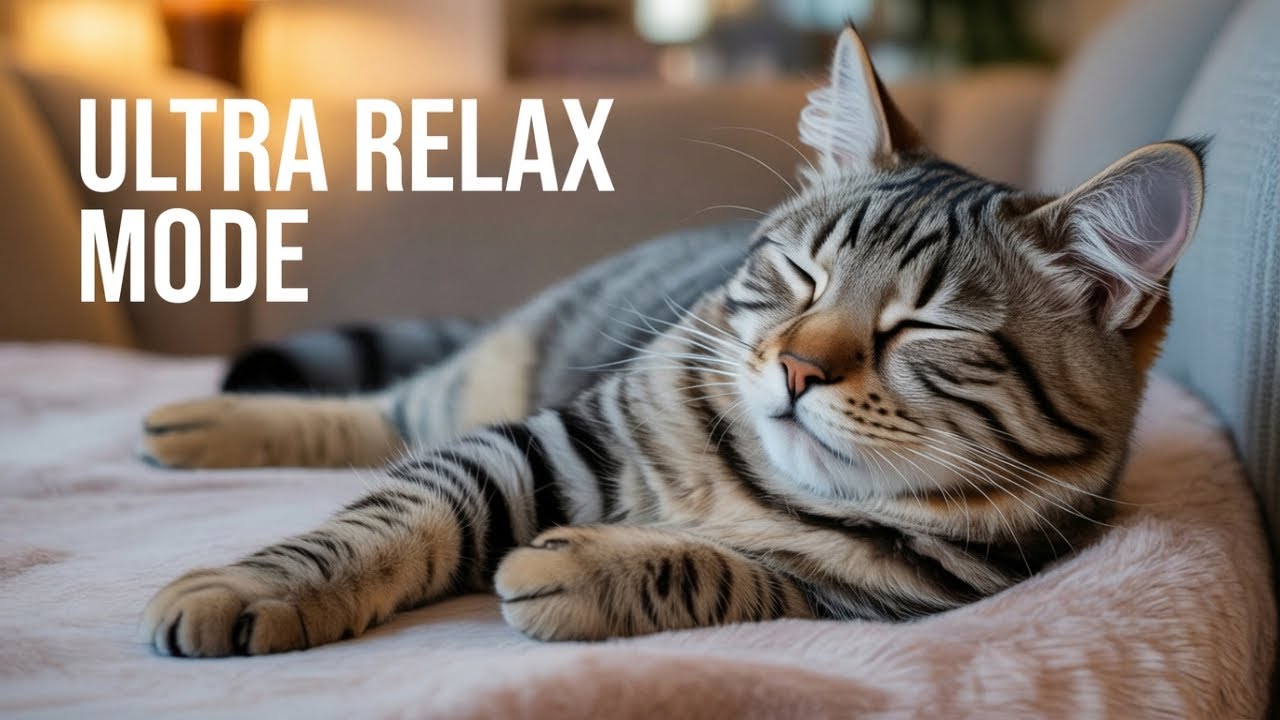
Feline Purr Exhibits Greater Acoustic Reliability for Individual Identification Than Meow
Edited by: Olga Samsonova
A recent scientific investigation into domestic cat vocalizations suggests that the rhythmic purr offers a more dependable acoustic marker for individual identification compared to the more frequently used meow. Researchers systematically analyzed the sound structure of both vocalizations, applying methodologies adapted from human speech recognition to quantify distinct acoustic features. The findings demonstrated that while both the purr and the meow were individually distinguishable, the purr exhibited a superior level of consistency, establishing it as a significantly more reliable identifier within a group of cats.
Every subject cat in the study displayed a characteristic purr signature, a sound traditionally associated with relaxation or early mother-kitten bonding. In contrast, the meow shows considerable acoustic flexibility, particularly in interspecies communication with humans, where it is often deployed to solicit resources or express need. This inherent adaptability and contextual function of the meow introduced greater acoustic variation within the vocalizations of a single cat over time. The purr, however, maintained a more stable acoustic profile across various recording instances, elevating its utility as a unique identifier due to the stability of its fundamental acoustic structure irrespective of immediate context.
To provide broader context within the feline lineage, the study included a comparative analysis of five wild relatives of the domestic cat, specifically naming the African wildcat and the cougar. The analysis revealed that the meows produced by domestic cats possessed substantially greater acoustic variability when juxtaposed with the cries of their wild counterparts. Scientists hypothesize this pronounced vocal flexibility in the domestic cat is an evolutionary consequence, a behavioral adaptation developed over millennia of cohabitation within the human domestic environment. Previous research comparing domestic cats (Felis catus) to the African wild cat (Felis silvestris lybica) has indicated that domestic meows are shorter in mean duration and possess higher mean formant and fundamental frequencies, traits human listeners generally perceive as more pleasant.
Further supporting this evolutionary divergence, adult wild felines, living largely solitary lives outside of mating or maternal care, rarely employ meowing, favoring other vocalizations like hissing or screeching. The domestic cat, conversely, retains the meow into adulthood as a primary tool for human engagement, a behavior some researchers categorize as a retained juvenile characteristic directed toward human caregivers. The purr, measured at a fundamental frequency around 26.3 ± 1.95 Hertz (S.D.) for domestic cats, appears to be a more conserved trait across the Felinae group, as purring is common in both domestic and wild cats, though sounds from larger cats like lions and leopards differ in frequency. This research, utilizing quantitative frameworks akin to those applied in human phonetics, positions the stable acoustic signature of the purr as a unique biometric marker, opening avenues for advanced, non-invasive monitoring of feline health and identity.
15 Views
Sources
research-in-germany.org
ResearchGate
ResearchGate
Associazione Teriologica Italiana
Museum für Naturkunde Berlin
Read more news on this topic:



Did you find an error or inaccuracy?
We will consider your comments as soon as possible.