
Strategies for Mitigating Pet Distress During Pyrotechnic Events
Edited by: Olga Samsonova
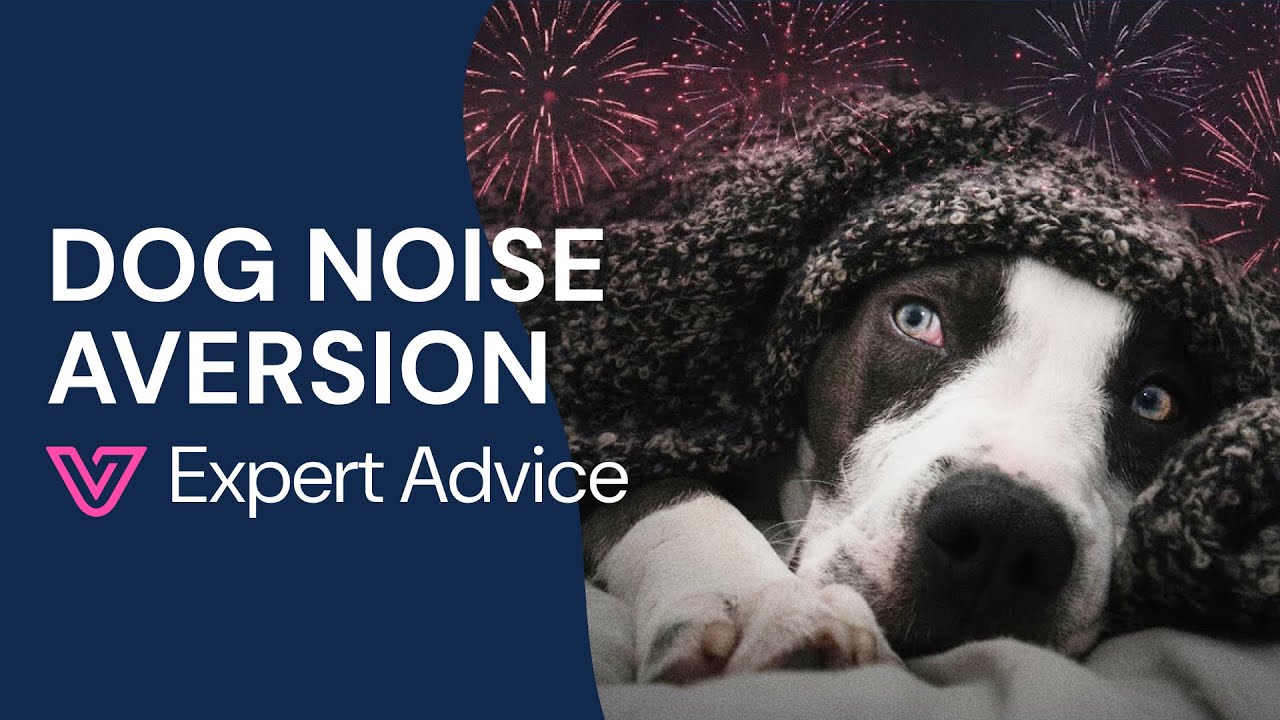
The intense auditory stimuli generated by fireworks frequently cause significant distress in domestic animals, particularly dogs and cats. These concussive noises often trigger innate survival mechanisms, leading pets to seek concealment or attempt to flee, as they interpret the sounds as indicators of mortal danger. This primal reaction necessitates the implementation of proactive management strategies by owners and veterinary professionals to safeguard animal welfare during celebrations involving pyrotechnics.
Veterinary recommendations emphasize establishing a secure and tranquil sanctuary within the home well before anticipated stressful events. This designated refuge should incorporate environmental enrichment tailored to the species-specific needs of the companion animal. For instance, felines benefit from elevated shelving and scratching surfaces, while dogs respond well to familiar bedding and specific engagement toys. This manipulation of the surroundings, which encourages species-typical behavior, is considered crucial for psychological well-being by increasing the animal's sense of control over its environment.
Maintaining a consistent daily schedule for feeding and exercise provides a comforting structure for pets navigating unpredictable auditory events. Widely endorsed supplementary measures include the use of pheromone dispensers to aid in emotional regulation. Dog-appeasing pheromones (DAPs), synthetic versions of substances produced by mother dogs to calm their young, can offer a sense of security when diffused. However, these products are generally considered most effective when integrated into a comprehensive plan that includes behavioral modification, rather than serving as a sole intervention.
Complementary therapeutic options often involve professionally recommended natural or herbal medications, frequently favored over deep sedatives. Some veterinarians may suggest serotonin reuptake inhibitors for routine use in preparation for a loud season, or short-acting treatments such as Trazodone, which requires prior testing to assess its effect. Pressure wraps, exemplified by products like the Thundershirt, are also employed for their ability to exert a comforting physical pressure similar to swaddling.
A supportive technique requiring long-term commitment is systematic desensitization, which is often recommended to begin several months prior to peak firework seasons. This process involves gradually exposing animals to recorded firework sounds at extremely low volumes, ensuring the pet remains below a distress threshold, and pairing the exposure with positive reinforcement, such as high-value food rewards. The objective is to condition the animal to associate the sound with positive outcomes, thereby replacing the negative emotional response with calm anticipation.
Crucially, ensuring reliable identification is a vital safety protocol in the event of an escape during a panic episode. Microchipping is recommended by organizations like the American Veterinary Medical Association as a permanent identification measure, and owners must ensure all contact information is current. Owners should also secure all potential exit points, including locking windows and ensuring fences are closed, while remaining close to offer calm, slow, firm reassurance to their pets.
10 Views
Sources
Prensa Libre
Prensa Libre
El Universal
La Crónica de Hoy
MSD Animal Health
El Informador
Read more news on this topic:

Did you find an error or inaccuracy?
We will consider your comments as soon as possible.