
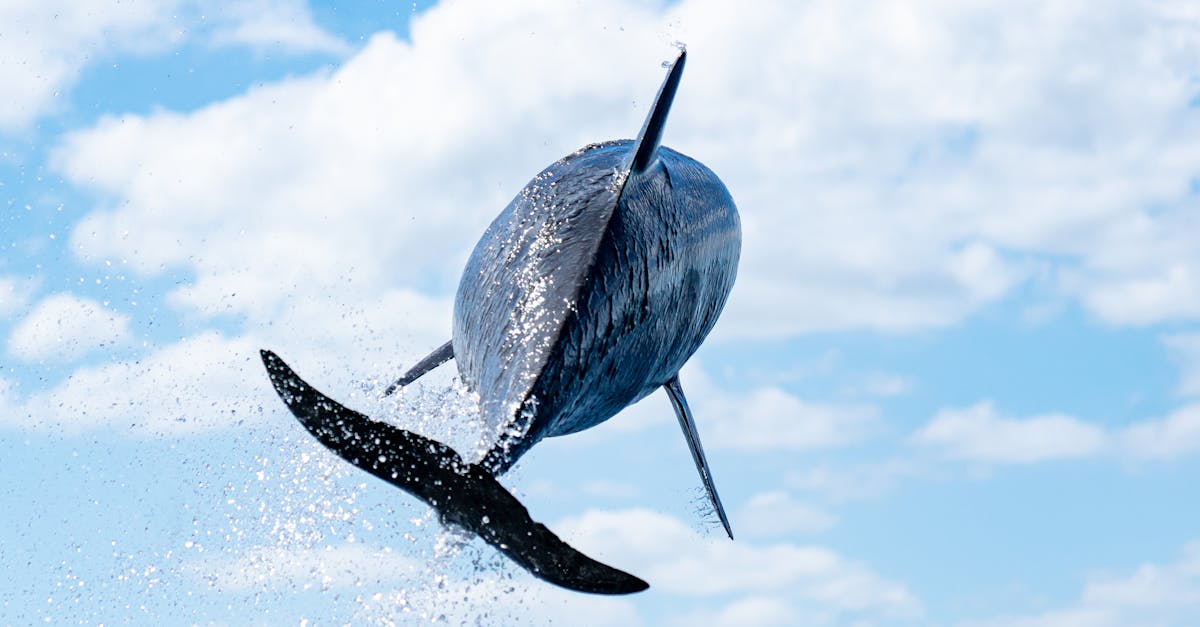
Indus Blind Dolphin Population Rebounds Following Stringent Protection Measures in Pakistan
Edited by: Olga Samsonova
A significant conservation success is emerging from the Indus River, confirming a marked resurgence in the population of the world's rarest freshwater mammal, the Indus Blind Dolphin, Platanista gangetica minor. This positive development was recently verified in late 2025 within the Chachran Sharif section of the river system. The recovery underscores the efficacy of rigorous protection frameworks recently implemented by provincial authorities.
Assistant Chief Wildlife Rangers, including Mujahid Kaleem, officially confirmed reports indicating a pod comprising more than 15 individuals was observed surfacing in the area. This encouraging count is a direct consequence of emergency preservation protocols initiated by the Directorate General Wildlife and Parks Punjab across critical riverine corridors such as Chachran Sharif and Taunsa Sharif. These multifaceted protocols strategically integrated robust law enforcement actions with extensive public awareness initiatives aimed at community engagement.
The species, classified as 'endangered' by the International Union for Conservation of Nature (IUCN), currently has an estimated global population hovering around 2,000 individuals, an upward trend from earlier estimates of 1,200 recorded in 2001. The enforcement aspect of the conservation strategy has included concrete punitive measures, such as lodging First Information Reports (FIRs) against individuals involved in illegal hunting, which serves as a strong deterrent. A landmark case involved an FIR lodged at the Zahir Pir police station in May 2024 against a suspected hunter, which is currently proceeding through the court system.
The Indus Blind Dolphin is biologically distinct, possessing eyes that are naturally blind due to the river's perpetually murky, silt-laden waters, compelling it to rely entirely on a sophisticated sonar system known as echolocation for navigation and locating sustenance. This ecological recovery is fostering unique, symbiotic interactions within local communities, where residents have reportedly adapted to utilizing the dolphins' fish-herding behavior for hand-fishing near the banks without nets or hooks.
Historically, the range of the Indus dolphin has been drastically reduced by approximately 80% from its original 3,400 km stretch due to the construction of irrigation barrages and water diversion for agriculture, leading to habitat fragmentation. Despite persistent threats, including pollution from agricultural chemicals and entanglement in fishing gear, conservation efforts dating back to 1974 have yielded positive results, showing a clear increasing trend in abundance over the last 50 years. The largest concentrations of the species are consistently found in the stretch between the Guddu and Sukkur barrages in the Sindh province.
The success in population stabilization and growth, as noted by WWF-Pakistan's Director General Hammad Naqi Khan, demonstrates that collaborative efforts between governments, conservationists, and local communities can reverse severe biodiversity decline. Further research priorities include monitoring water quality, assessing fisheries mortalities, and strengthening rescue operations for dolphins stranded during low-flow seasons when irrigation canal gates are closed. The species is considered an ancient lineage, making its continued survival a global conservation priority.
5 Views
Sources
The Nation
The Nation
Pakistan Today
DAWN
Punjab Wildlife and Parks Department
Forest, Wildlife & Fishries Department
Read more news on this topic:



Did you find an error or inaccuracy?
We will consider your comments as soon as possible.