
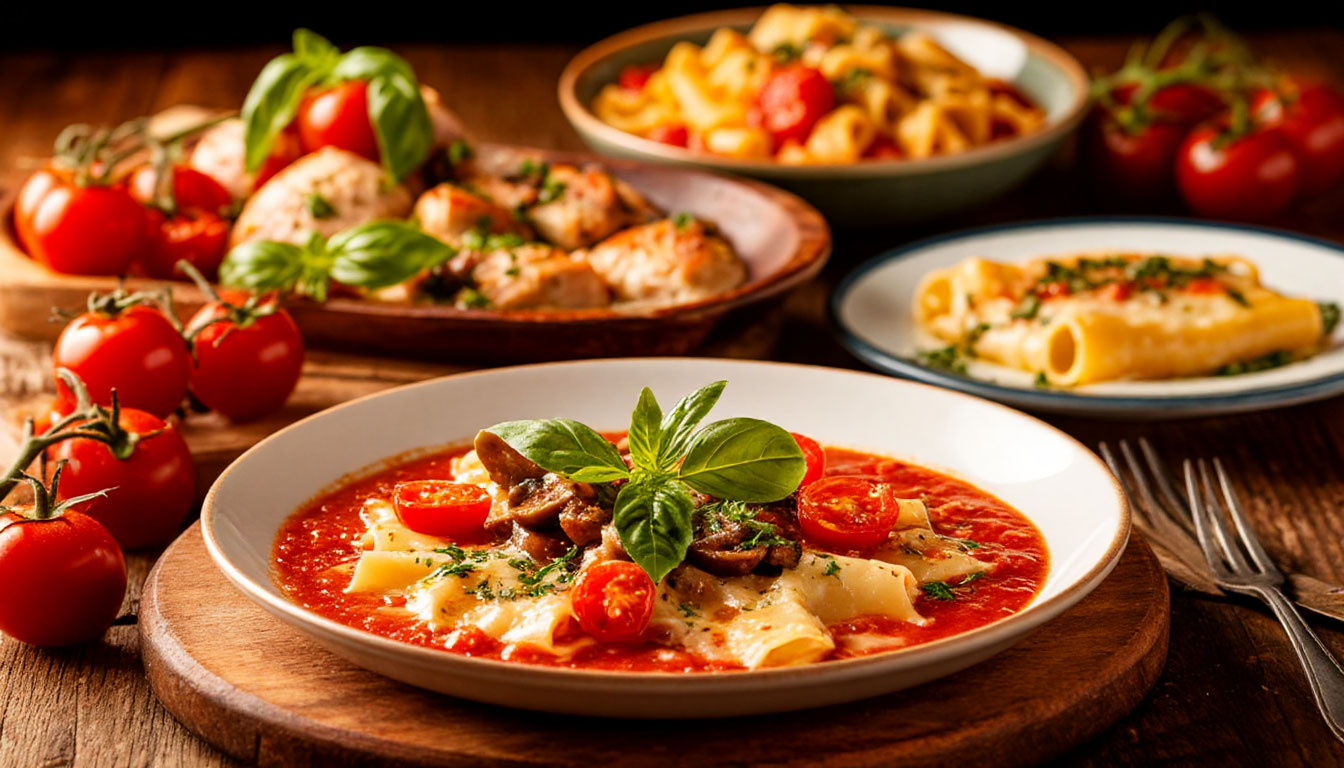
Italian Cuisine Achieves Landmark UNESCO Intangible Heritage Status
Author: Tatyana Hurynovich
On December 10, 2025, a significant decision was finalized in New Delhi, India, where the Intergovernmental Committee of UNESCO officially inscribed traditional Italian cuisine onto the Representative List of the Intangible Cultural Heritage of Humanity. This recognition marks a monumental achievement for the nation. Italian Prime Minister Giorgia Meloni announced that Italy has become the first country whose entire culinary system has received such comprehensive acknowledgment.
This landmark nomination, formally submitted by Italy in 2023, broke new ground for UNESCO. For the first time in the organization's history, the designation was not limited to a single recipe or specific practice. Instead, it encompassed the entire theoretical and practical framework of Italian cuisine, recognizing it as a holistic cultural phenomenon.
Prime Minister Meloni emphasized that for the Italian people, gastronomy transcends mere food preparation. She articulated that it embodies the very essence of their culture, deeply rooted traditions, hard work, and national identity. The scope of Italian gastronomy is vast, covering everything from the diverse array of pasta shapes and the iconic pizza to specialized cheeses, cured meats like prosciutto and salami, and celebrated desserts such as tiramisu and gelato.
The concept of enshrining the entire culinary system, rather than just isolated elements—such as the art of Neapolitan pizza-making, which was recognized back in 2017—originated from a collaborative effort. Key proponents included Maddalena Fossati, the editor-in-chief of La Cucina Italiana, alongside leading Italian chefs who championed this broader vision.
This UNESCO endorsement carries substantial practical weight for Italy. It provides a crucial mechanism for safeguarding authentic Italian products against counterfeiting and unfair commercial competition. Under the terms of this recognition, Italy is now obligated to collaborate closely with its regional communities to conduct a thorough inventory of its culinary practices and ensure their ongoing protection.
Furthermore, the country must submit comprehensive reports to UNESCO every six years. These reports will detail the specific measures taken to preserve and transmit this rich gastronomic heritage to succeeding generations. This ongoing commitment ensures the legacy remains vibrant and accessible.
The decision powerfully underscores the role Italian food plays in shaping the nation's bio-cultural diversity, seamlessly blending centuries-old customs with distinct regional specialties. By joining this prestigious list, Italian cuisine stands alongside other global treasures, such as Japan’s traditional food culture, known as Washoku, and the Cuban musical style Son, which also received status during the same session. Italy already holds the distinction of leading the world in the total number of UNESCO World Heritage Sites, currently counting 61. This includes the Mediterranean Diet, inscribed in 2010. Industry analysts anticipate that this new cultural designation will significantly boost culinary tourism and stimulate the export market for Italian goods.
11 Views
Read more news on this topic:


Did you find an error or inaccuracy?
We will consider your comments as soon as possible.