
Mobility Assistance Dogs Significantly Boost Children's Physical Activity and Social Skills
Edited by: Katerina S.
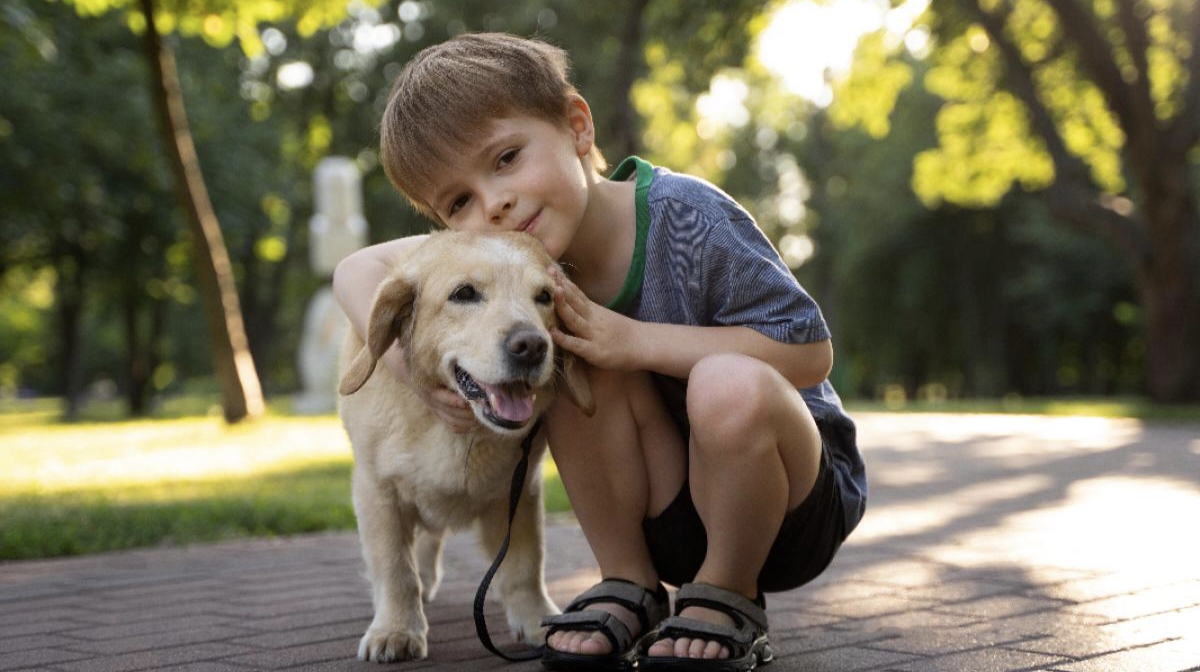
Specially trained mobility assistance dogs are proving to be transformative for children facing physical challenges, significantly boosting their physical activity levels and social engagement. A recent study conducted by Trinity College Dublin, in collaboration with Dogs for the Disabled, highlights the profound positive impact these canine companions have not only on the children themselves but also on their families.
The research, which focused on children aged six to twelve, utilized advanced methods such as 3D gait analysis and activity monitors to objectively measure the dogs' influence. The study tracked improvements in children's walking patterns, daily activity, and overall quality of life. The findings revealed notable enhancements across all these areas, underscoring the dogs' role as more than just pets, but as vital partners in a child's development.
One compelling example is Louis, a young participant with Kabuki syndrome, a genetic condition that affects approximately one in 40,000 individuals. Louis previously required braces and constant support to maintain stability and prevent falls. Since being paired with his mobility assistance dog, Maisie, Louis has experienced a remarkable improvement, no longer falling and exhibiting increased confidence. Maisie has also become a catalyst for social interaction, making Louis more approachable and facilitating connections with others.
Dogs for the Disabled, a charity dedicated to this cause, has been training dogs to assist children with balance issues for over 15 years. These dogs are meticulously trained to provide stability, aid with tasks like navigating steps, and offer support on uneven surfaces. The charity emphasizes that each dog is matched to a child's specific needs, ensuring the most effective partnership. The cost to train one such dog is substantial, estimated at €15,000, and the waiting list for a dog can range from three to five years, reflecting the significant demand and the thorough process involved.
Beyond physical benefits, the emotional and social advantages are equally significant. Studies indicate that the presence of a service dog can foster empathy, improve communication skills, and reduce anxiety in children. For children with disabilities, the unconditional companionship of a dog can combat feelings of isolation and enhance their self-esteem. The dogs act as social bridges, making it easier for children to interact with peers and the wider community. The research from Trinity College Dublin, published in Physical Therapy Reviews, further supports these findings, noting positive changes in social well-being, emotional well-being, and self-esteem among the participating children. These findings illuminate the powerful synergy between children and their mobility assistance dogs, demonstrating their capacity to unlock greater independence, confidence, and a more active, engaged life.
19 Views
Sources
The Irish Times
How mobility assistance dogs can improve quality of life in children with cerebral palsy
Researchers assess benefits of assistance dogs for children with physical disabilities
Research Projects
Read more news on this topic:


Did you find an error or inaccuracy?
We will consider your comments as soon as possible.