
Humpback Whale Sightings Near Golden Gate Bridge Indicate Shifting Feeding Patterns
Edited by: Olga Samsonova
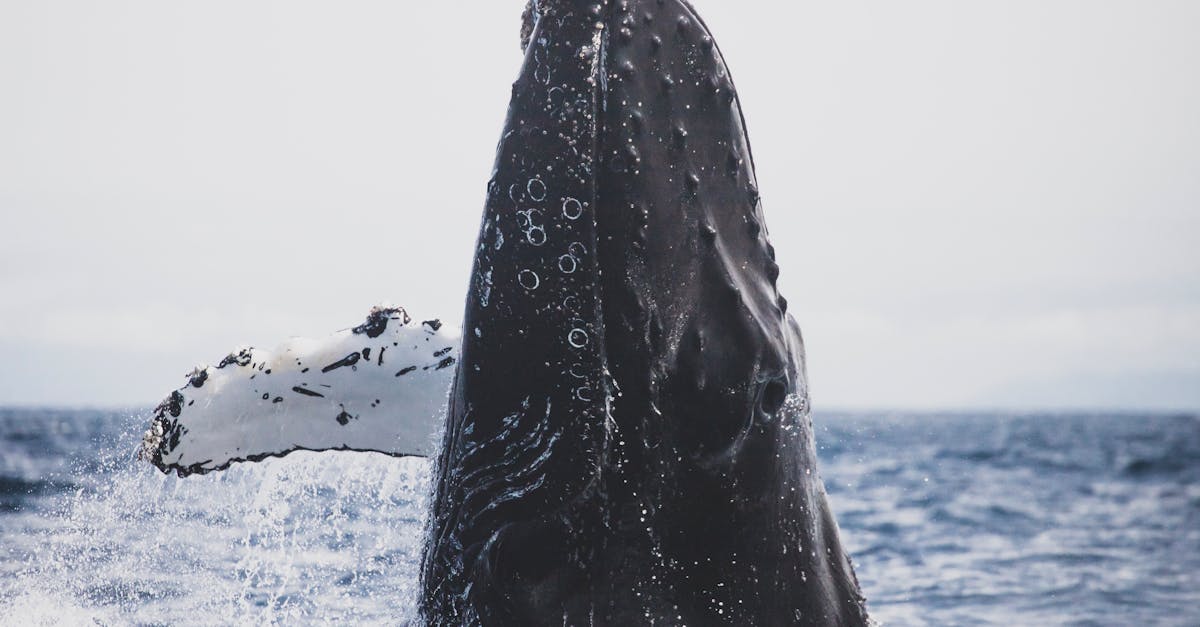
Whale watchers in the San Francisco Bay area recently documented a powerful humpback whale breach in close proximity to the Golden Gate Bridge. This observation serves as a tangible indicator of the dynamic marine ecosystem within the region, particularly during the established migration window for these cetaceans.
Humpback whales undertake extensive migratory journeys, often spanning up to 5,000 miles round trip between breeding and feeding grounds. They are increasingly utilizing the productive waters near the California coast for sustenance, sustained by nutrient-dense water delivered through coastal upwelling in the Gulf of the Farallones. While peak sightings typically occur between May and November, observations can begin as early as March, according to established patterns. The West Coast humpback population has shown substantial recovery, increasing tenfold from approximately 500 individuals in the late 1980s to nearly 5,000 today, following the 1985 global moratorium on whaling.
The behavior of these marine mammals is directly tied to the availability of prey, such as anchovies and krill, which thrive due to coastal upwelling. This process, where winds push surface waters offshore, draws cold, nutrient-rich water upward, fueling significant biological richness. Researchers, including Bill Keener of The Marine Mammal Center, have noted a change in migration patterns since 2016. In prior decades, humpbacks almost exclusively fed offshore between April and October; however, more whales are now venturing inside the San Francisco Bay area.
This shift in feeding location, potentially linked to warming ocean temperatures or prey movement closer to the coast, has significant implications. Naturalist Michael Pierson of SF Whale Tours noted that feeding directly under the Golden Gate Bridge—an area of high fish activity but also heavy shipping traffic—places the whales in a corridor comparable to a busy freeway. Data collected between 2016 and 2018 identified 61 individual humpback whales concentrating in a zone extending from the Golden Gate Strait to the Central Bay near Alcatraz and Angel islands.
The increased presence of these large, approximately 50-foot-long animals in busy corridors heightens the risk of ship strikes, which necropsy findings identify as a leading cause of death for stranded whales. In response to dangers within protected zones like the Greater Farallones National Marine Sanctuary, the federal government has implemented voluntary seasonal speed limits for vessels exceeding 300 gross tons. NOAA spokesperson Jennifer Stock urges all mariners to proceed slowly and cautiously, emphasizing that the proximity of these whales to high-speed commercial vessels moving in and out of ports like Oakland poses a serious threat to these threatened and endangered creatures.
The ability of researchers to track individuals via unique fluke markings confirms that movements are based on tidal rhythms and food availability rather than daily commutes. The overall health of the ecosystem supporting these mammals is intrinsically linked to the upwelling process, which can introduce substantial nutrients into the tides. The recent breach near the bridge is therefore viewed not only as a visual event but as a data point reflecting an evolving ecological relationship between marine life, oceanography, and human maritime activity in this vital California corridor.
7 Views
Sources
KRON4
YonderTours
Patch
Fisheries and Oceans Canada
Read more news on this topic:



Did you find an error or inaccuracy?
We will consider your comments as soon as possible.