


Strategic Chokepoint: Iran’s IRGC Restricts Hormuz Strait Traffic Following Regional Military Escalation
Edited by: Tatyana Hurynovich
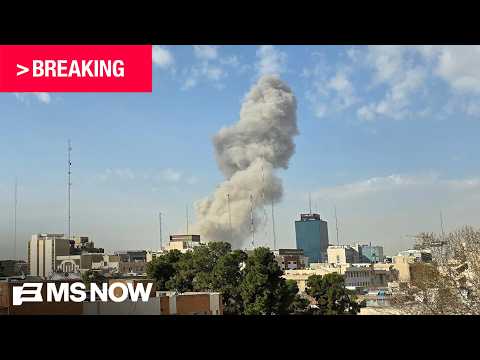
On February 28, 2026, the Islamic Revolutionary Guard Corps (IRGC) of Iran initiated a significant restriction on maritime movement through the strategically vital Strait of Hormuz. This decisive action was framed as a direct retaliation against extensive military maneuvers conducted by Israeli and American forces targeting Iranian assets. The announcement, disseminated primarily via VHF radio communications, effectively halted the flow of vessels across this essential maritime artery, which serves as the primary link between the Persian Gulf, the Gulf of Oman, and the broader Indian Ocean. The sudden paralysis of this waterway has sent shockwaves through the global shipping industry, as captains and logistics companies scramble to assess the safety of their routes.
The disruption targets one of the most indispensable energy transit points on the planet, serving as a vital artery for the global economy. According to the U.S. Energy Information Administration (EIA), the Strait of Hormuz facilitates the passage of approximately one-fifth of the world’s daily oil shipments, making it the world's most important oil chokepoint. Furthermore, the corridor handles about 20% of the global supply of liquefied natural gas (LNG), which translates to a staggering volume of more than 306 million cubic meters every single day. In response to the heightened tensions and the sudden restriction of movement, the United Kingdom Maritime Trade Operations (UKMTO) reported significant military activity within the region. The agency issued urgent advisories to mariners, specifically highlighting the risks associated with electronic interference and GPS jamming, which could compromise the safety of civilian vessels.
Ebrahim Jabari, a spokesperson for the IRGC, officially confirmed the closure of the strait, emphasizing the military's readiness to defend national interests. Simultaneously, the U.S. Department of Transportation issued a directive for American-flagged vessels to vacate the Persian Gulf, the Gulf of Oman, and the Arabian Sea. The advisory specifically instructed ships to maintain a distance of at least 30 nautical miles from U.S. Navy vessels operating near the Iranian coastline to avoid being caught in potential crossfire. Global markets reacted instantaneously to the IRGC’s declaration; crude oil futures on the decentralized exchange Hyperliquid surged by more than 5%, with prices climbing to $71.26 per barrel within hours of the news breaking.
The escalating situation in this region—where the strait represents the sole maritime export path for nations including Iran, Iraq, Kuwait, Qatar, Saudi Arabia, and the United Arab Emirates—has sparked immediate fears of a massive global energy shock. Market analysts had previously warned that sustained hostilities in the Middle East could drive crude oil prices toward the $100 per barrel threshold if supply lines were compromised. The potential for a prolonged blockade remains a primary concern for international energy security and economic stability, as the region accounts for a massive portion of the world's spare production capacity.
This geopolitical friction is further complicated by Iran’s recent surge in economic activity and energy output. Data from February 2026 indicates that Iranian oil exports climbed to 2.2 million barrels per day, representing a nearly 50% increase over the average recorded during the preceding three months. On March 1, Mohsen Rezaei, the Secretary of the Expediency Discernment Council, clarified that the strait would remain accessible to oil tankers until further notice. However, he emphasized that U.S. military forces remain legitimate targets for Iranian operations. While this statement offered a slight reprieve to the initial market panic, the temporary shutdown underscores the extreme vulnerability of global logistics and the fragility of current international relations.
Spanning approximately 167 kilometers in length, the Strait of Hormuz has a long and volatile history of being a flashpoint for international conflict and maritime brinkmanship. It was most notably the center of the Tanker War during the 1980s, a period of intense naval conflict that saw numerous commercial vessels targeted by regional powers. In the modern era, the geopolitical stakes remain equally high, with the world's energy dependence on the region only having grown. Currently, only Saudi Arabia, the United Arab Emirates, and Iran possess pipeline infrastructure designed to partially bypass this maritime chokepoint. However, experts agree that the existing capacity of these pipelines is nowhere near sufficient to compensate for the massive volumes of oil and gas that typically transit through the strait.
The strategic importance of the strait cannot be overstated, as any prolonged closure would necessitate a radical and costly reconfiguration of global trade routes. Beyond the immediate impact on energy prices, the restriction of traffic through such a critical bottleneck threatens to disrupt broader supply chains, affecting everything from manufacturing to consumer goods. As international observers monitor the situation, the balance between regional military posturing and global economic necessity remains precariously thin. The international community continues to call for de-escalation, yet the reality of the situation highlights the enduring role of the Strait of Hormuz as a central pillar of geopolitical leverage in the twenty-first century.
9 Views
Sources
Deutsche Welle
Sivas Haber Memleket Gazetesi
Haberler
Bloomberght
Medyascope
Ekonomim
Read more articles on this topic:


Did you find an error or inaccuracy?We will consider your comments as soon as possible.