
Biochemist Advocates Household Methods for Enhanced Produce Hygiene Amidst Gut Health Focus
Edited by: Olga Samsonova
Biochemist Astrid Armengol is promoting the adoption of more rigorous fruit and vegetable cleaning protocols to address invisible contaminants, including pesticide residues, mold spores, and insect eggs that standard washing may not eliminate. This increased focus on advanced food hygiene aligns with a growing worldwide concern for digestive wellness and the composition of the gut microbiota. The global digestive health products market currently stands at 51.62 billion USD and is projected to expand at a Compound Annual Growth Rate (CAGR) of 8.3% over the next five years, reflecting a consumer pivot toward digestive support.
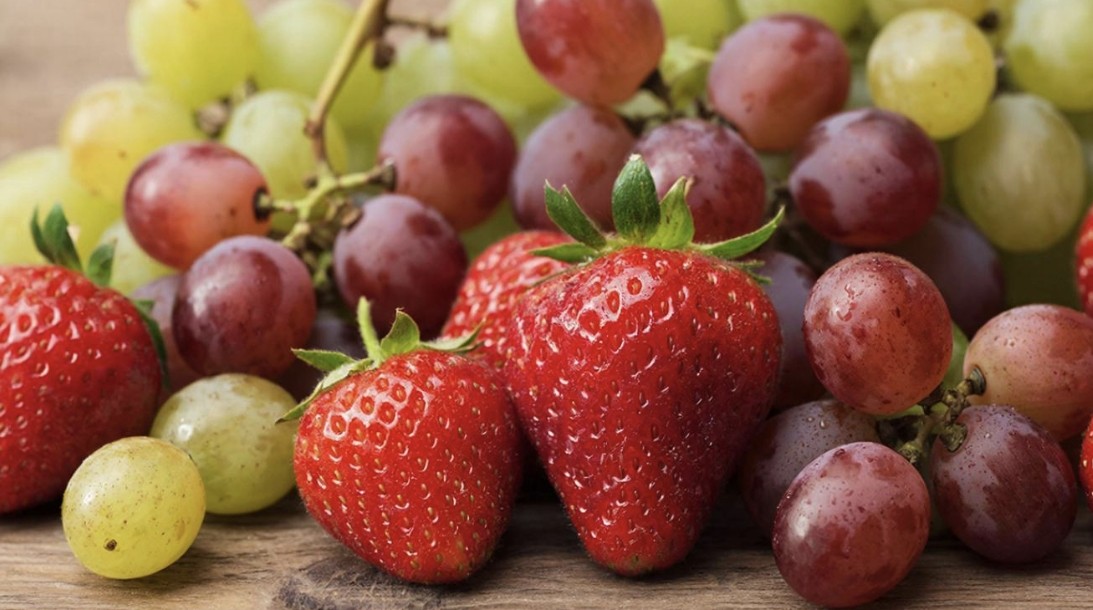
Armengol's championed technique centers on utilizing common household agents: baking soda and white wine vinegar. Scientific discussion suggests that immersing produce in a baking soda solution for 12 to 15 minutes is highly effective, potentially eradicating up to 99% of pesticide residues through the alkaline action of sodium bicarbonate. Research reviewed by Environmental Working Group (EWG) scientists, which analyzed multiple peer-reviewed studies, determined that soaking produce in a baking soda solution can increase pesticide removal by an additional 10% to 15% beyond what plain water achieves. This method is particularly relevant for fruits that cannot be peeled, such as strawberries or grapes, to ensure safer immediate consumption.
While simple rinsing with tap water can remove approximately 75% to 80% of pesticide residues and microbial contamination according to various studies, incorporating household agents offers a measurable improvement. A 2017 study published in the Journal of Agricultural and Food Chemistry indicated that soaking apples in a baking soda and water solution for 15 minutes significantly reduced pesticide residues compared to water rinsing alone. Furthermore, a 2021 study comparing washing oranges found that cleaning with baking soda and tap water was the most effective among several tested solutions, including acetic acid and various vinegars.
This movement toward meticulous cleaning is situated within broader global food safety concerns. An estimated 600 million people globally—nearly one in ten—become ill annually from contaminated food, leading to 420,000 deaths each year. Chemical contaminants in food can persist in the environment, and their bioaccumulation in the agri-food chain may potentially alter the human gut microbiome composition and function. The United States Environmental Protection Agency (EPA) establishes strict tolerances for pesticide residues on both locally grown and imported crops, aiming for a 'reasonable certainty of no harm' for consumers.
For consumers seeking to exceed EPA-regulated levels, the baking soda soak offers a practical option, with some research indicating a 15-minute soak can remove nearly all pesticide traces from fresh produce. Advanced methods like ozonation have demonstrated efficacy up to 95% removal, and combined techniques involving ultrasound and ozonation can reach up to 99% elimination, though these are often constrained by high costs and technological limitations, reducing general accessibility. The promotion of accessible household techniques, as suggested by farmer Byron Albano of Cuyama Orchards regarding his organically grown apples, presents a cost-effective alternative for consumers concerned about residues, supporting an integrated approach to food safety that balances science with practical consumer practices.
16 Views
Sources
Executive Digest - A leitura indispensável para executivos
Executive Digest
UAI
Diário do Estado
O Antagonista
Itatiaia
Read more news on this topic:



Did you find an error or inaccuracy?
We will consider your comments as soon as possible.