


Emerald Fennell’s Wuthering Heights: Critical Reception and Commercial Prospects for the 2026 Adaptation
Edited by: An goldy
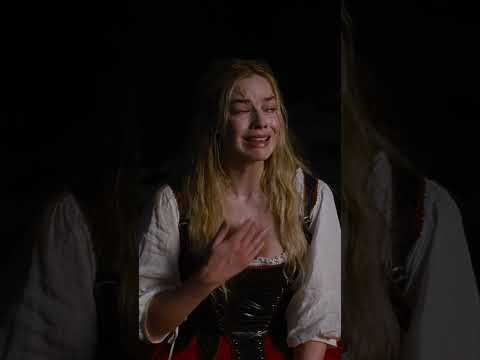
On February 13, 2026, theaters across the United States welcomed the debut of Emerald Fennell’s latest cinematic venture, a bold reimagining of Emily Brontë’s literary masterpiece, Wuthering Heights. Rather than a literal translation of the classic text, the film is presented as a distinct authorial interpretation, staying true to the provocative style Fennell established in her previous acclaimed works, Promising Young Woman (2020) and Saltburn (2023). This romantically charged production features Margot Robbie in the iconic role of Catherine Earnshaw, starring alongside Jacob Elordi, who portrays the brooding Heathcliff.
With a substantial production budget reported at $80 million, the film has already ignited a firestorm of conflicting opinions among the critical community. While some reviewers have lauded the movie for its breathtaking visual splendor and the palpable chemistry between its leads, others have criticized it for leaning too heavily into melodrama. Following early private screenings held in Los Angeles on January 28, 2026, initial reactions described the project as a spectacle of exquisite craftsmanship, specifically highlighting the contributions of cinematographer Linus Sandgren and production designer Suzie Davies. Industry analysts are forecasting a major commercial win for Warner Bros., anticipating that the film will capitalize on the high demand for epic romance during its Valentine’s Day release window.
Despite the praise, a significant segment of the critical circle has voiced concerns regarding the director’s specific focus. Some observers argue that Fennell’s mission appears to have been the sexualization of the original story, a move that potentially sacrifices the irrationality and psychological tension that define Brontë’s novel. Critics have noted that the persistent emphasis on the physical intimacy between Cathy and Heathcliff may undermine the more spiritual and haunting dimensions of their bond. Furthermore, the casting choices have come under scrutiny; the 35-year-old Robbie has been questioned for her ability to convincingly portray a 17-year-old Catherine. Similarly, Elordi’s portrayal has been described as more of a sad-eyed puppy than the book’s gypsy or Lascar Heathcliff, a choice that some feel ignores the vital themes of class prejudice central to the source material.
In response to these critiques, Emerald Fennell has defended her creative vision, explaining that her goal was to approximate how the book made her feel rather than providing a literal adaptation of the prose. The film’s aesthetic, which some have categorized as garage maximalism, has drawn significant attention for its unique details. For instance, the wallpaper in Catherine’s bedroom was reportedly designed based on images of Robbie’s own skin, including visible veins—a choice Fennell says symbolizes the character’s transformation into a made wife and an object of beauty. However, critics argue that this intense focus on the sensory and the carnal further distances the narrative from the critical issues of social hierarchy and financial status that drive the original plot.
A cornerstone of this cinematic experience is the original soundtrack composed by Charli XCX, with the accompanying album launching via Atlantic Records on the same day as the film’s premiere, February 13, 2026. Development of the musical project began as early as December 2024. The soundtrack has received near-universal acclaim, consisting of 12 original tracks, including the singles House (featuring John Cale), Chains of Love, and Wall of Sound. Produced in collaboration with Finn Keane, the gothic-pop concept album has been described by some as a pastel dream that replaces Brontë’s traditional gothic atmosphere. The film, which runs for 136 minutes, also features a strong supporting cast, including Martin Clunes as Mr. Earnshaw, Shazad Latif as Edgar Linton, and Hong Chau in the role of Nelly.
This adaptation represents a significant moment for Warner Bros. as they navigate the complexities of modernizing 19th-century literature for a contemporary audience. By blending high-fashion aesthetics with a pop-infused score and a focus on the visceral over the social, Fennell has created a version of Wuthering Heights that is as divisive as it is visually arresting. Whether the film’s departure from the source material’s class-based roots will hinder its legacy remains to be seen, but its arrival on the 2026 cinematic calendar has undoubtedly sparked a necessary conversation about the evolution of literary adaptations in the modern era.
19 Views
Sources
Todo Canal
LADbible
Sveriges Radio
Wuthering Heights (2026 film) - Wikipedia
"Wuthering Heights" review: Margot Robbie and Jacob Elordi front a perplexing and provocative romance | Mashable
Wuthering Heights Sparks Debate With Daring New Film - Grand Pinnacle Tribune
'Wuthering Heights' review: Margot Robbie and Jacob Elordi sizzle in lavish, melodramatic adaptation - Screen Daily
Emerald Fennell Shares Her Favorite WUTHERING HEIGHTS Lines From the Novel - YouTube
Wikipedia
Grand Pinnacle Tribune
Forbes
HELLO!
Wikipedia
Sweden Herald
Grand Pinnacle Tribune
Consequence
Read more articles on this topic:


Himesh Patel has been cast opposite Danielle Deadwyler in Ryan Coogler’s ‘THE X-FILES’ reboot. Via Frames Of Story

Did you find an error or inaccuracy?We will consider your comments as soon as possible.