
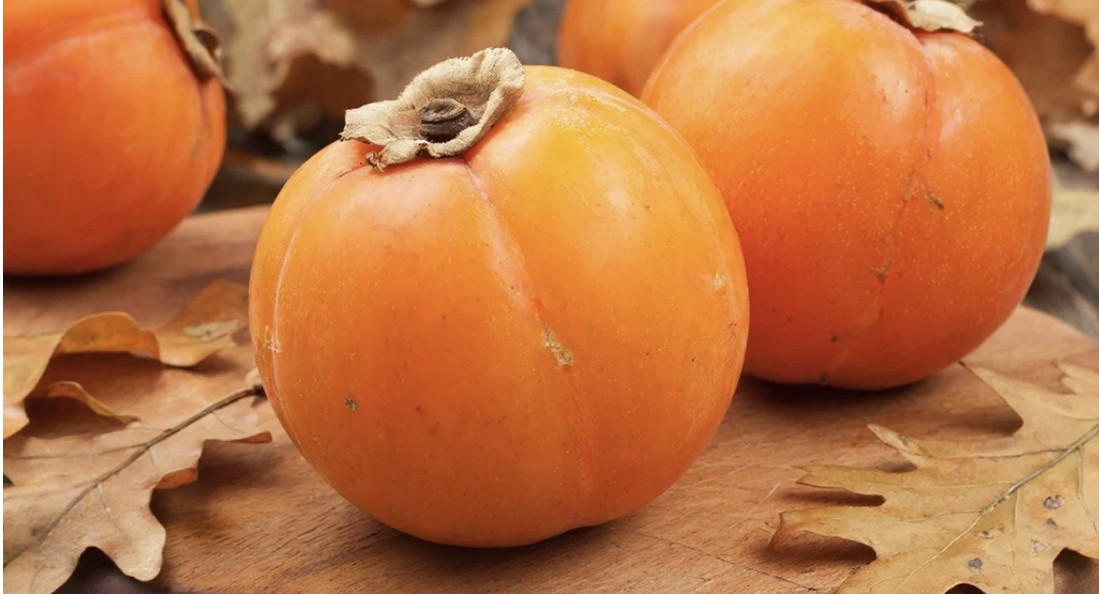
Nutritional Analysis Highlights Persimmon's Advantages Over Apples for Heart Health
Edited by: Olga Samsonova
The seasonal availability of persimmons positions them as a valuable component of a health-conscious diet, delivering significant concentrations of fiber and potent antioxidants. The Japanese variety, Diospyros kaki, has demonstrated superior attributes when contrasted with common staples such as the apple, according to research indicating nearly double the dietary fiber and richer levels of phenolic antioxidants.
These orange fruits actively support robust cardiovascular function through biochemical pathways involving flavonoid antioxidants like quercetin and kaempferol. These compounds assist in lowering low-density lipoprotein (LDL) cholesterol while simultaneously mitigating systemic inflammation. A comparative study published by the American Chemical Society highlighted that a daily intake of one medium-sized persimmon, approximately 100 grams, could be more effective in combating atherosclerosis—a primary driver of heart disease, stroke, and heart attacks in the United States—than a daily apple.
The substantial fiber content in persimmons is crucial for maintaining digestive regularity and metabolic regulation. A single 168-gram Japanese persimmon provides about 6 grams of fiber, contributing significantly toward the recommended daily intake of at least 25 grams. This fiber load is instrumental in managing the rate of glucose absorption, which helps prevent sharp spikes in blood sugar levels following consumption. Furthermore, the fruit is low in fat, containing less than half a gram per unit, and serves as a good source of essential minerals, including 270 mg of potassium per 168-gram serving.
Culturally, persimmons have a deep history, having been cultivated in China for over two millennia, with large-scale cultivation emerging during the Tang and Song dynasties. Commercially, the market is dominated by two primary types in the United States: the non-astringent Fuyu, which can be eaten firm, and the acorn-shaped Hachiya, which requires complete softening to neutralize its intense tannins before use, often in baked goods. Global production is heavily concentrated in Asia, with China accounting for approximately 77% of the world's total output in 2022.
In the United States, commercial production is centered in California and Florida, with California alone yielding about 10,000 short tons of Fuyu persimmons annually. Nutrition professor Penny Kris-Etherton notes that the distinct nutritional profiles of these fruits make them a valuable addition to dietary variety, offering different bioactives than more commonly consumed fruits. To maximize the absorption of fat-soluble nutrients like beta-carotene, consuming the fruit alongside a source of healthy fat, such as avocado, is recommended for enhanced health benefits.
18 Views
Sources
MoneyControl
MedicalNewsToday
Netmeds
FreshPlaza
Times of India
Verywell Health
Read more news on this topic:


Did you find an error or inaccuracy?
We will consider your comments as soon as possible.