Brussels, Belgium, EU
Share
Edited by: an_lymons
Brussels, Belgium, EU
The European Union has formally adopted a comprehensive, long-term strategy aimed at significantly reducing its reliance on Russian natural gas. This decisive resolution establishes clear benchmarks for the coming years, targeting a complete phase-out of both pipeline and liquefied natural gas (LNG) supplies from Russia by the close of the 2026–2027 period.
This transition is being structured through a phased mechanism outlined in the new regulation. Existing short-term supply contracts are subject to accelerated termination deadlines. Meanwhile, long-term agreements will see a more gradual exit, carefully calibrated to account for existing technical constraints and prevailing economic realities. Furthermore, the framework allows for specific, justifiable exceptions to the general rule where necessary.
A crucial safeguard built into this regulation is the temporary suspension mechanism. This provision can be invoked if the EU declares a gas supply emergency or if the filling levels of underground gas storage facilities fall below acceptable thresholds. This contingency planning is particularly vital for landlocked EU member states, which are afforded extra assurances regarding their energy security during this complex shift.
Each member state within the European Union is now mandated to formulate its own detailed national plan for substituting Russian gas and oil supplies. These required documents must explicitly detail the concrete steps for switching to alternative energy sources, set realistic timelines for implementing these measures, and outline robust risk mitigation strategies for navigating supplier changes.
Internal discussions within the EU reveal a divergence of opinion on this strategy. Proponents view the move as an essential step toward bolstering energy sovereignty and stemming financial transfers to Russia. Conversely, critics voice concerns regarding potential price inflation and diminished competitiveness, though they generally acknowledge the value of the regulation's built-in protective measures.
Where is Europe sourcing its replacement energy? International analytical agencies indicate the EU is aggressively pursuing several diversification avenues. First, LNG imports from the United States and Qatar are being ramped up, utilizing terminals in Spain, Italy, and the Netherlands. Notably, by 2024, US LNG accounted for a quarter of Europe's total gas imports.
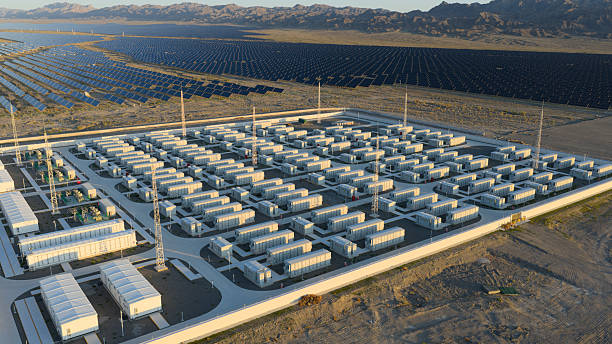
Second, pipeline gas from North Africa is playing an increasing role. Algeria has already augmented deliveries through the existing Medgaz and TransMed pipelines, and discussions are underway to expand this infrastructure further. Third, investment in renewable energy sources is surging; the EU aims for renewables to constitute 42% of its energy mix by 2030 through expanded solar and wind generation.
Finally, hydrogen represents a long-term strategic alternative. The bloc is heavily investing in 'green' hydrogen production, targeting 10 million tonnes produced domestically by 2030, supplemented by an additional 10 million tonnes imported.
Russia, in parallel, is actively reorienting its export routes to mitigate the loss of the European market. Key strategic shifts include boosting sales to Asia, primarily via the Power of Siberia pipeline, with planning currently underway for the Power of Siberia 2 route through Mongolia. Cooperation is also deepening in the south with Turkey and various Middle Eastern nations. Furthermore, Russia is expanding the capacity of its LNG liquefaction plants situated in the Yamal and Murmansk regions.
Experts suggest this global energy market reconfiguration aligns with a broader international trend where geographical proximity is becoming less of a deciding factor in energy trade. The EU's decision signals the conclusion of an era defined by high dependency on Russian gas, ushering in a new energy landscape.
This new reality is characterized by several key shifts: diversification of supply chains is now the cornerstone of energy policy; multi-vector partnerships are replacing single-supplier dependence; and technological transformation is accelerating the move toward a lower-carbon economy.
According to estimates from the International Energy Agency (IEA), by 2030, Russian gas could represent a mere 5–10% of European imports, a sharp drop from the 40% share recorded in 2021. Overall gas demand within the EU is expected to decline gradually due to increased energy efficiency measures and the rising contribution of renewables.
As an interesting aside, Norway surpassed Russia in 2023 to become the EU's largest gas supplier, capturing over 30% of the market share, largely thanks to its established pipeline network and consistent production volumes.
Ultimately, Europe's pivot to new energy pathways is not merely a political declaration; it is a complex economic undertaking that demands significant coordination, substantial investment, and considerable market flexibility from all involved parties.
NaturalNews.com
Juno News
ceenergynews
European Interest
Clean Energy Wire
Did you find an error or inaccuracy?
We will consider your comments as soon as possible.