


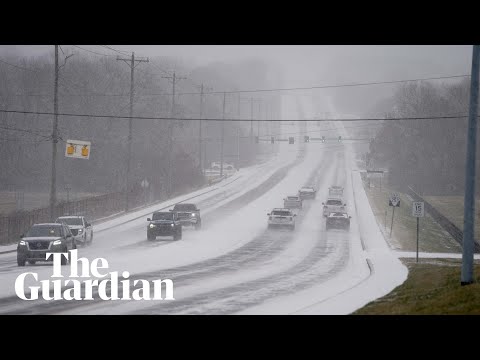
Massive Winter Storm Fern Paralyzes United States: 220 Million People Impacted and 173,000 Households Without Power
Edited by: Tatyana Hurynovich
A colossal weather system, unofficially dubbed Winter Storm Fern, has swept across the United States, triggering widespread infrastructure failures and a complete standstill in the national transportation network. Experts estimate that approximately 220 million Americans—representing nearly 70% of the country's population—have been affected by the storm's path, which stretched over 2,000 miles from New Mexico to Maine. While federal coordination efforts were initiated on Thursday, January 22, 2026, the full brunt of the atmospheric disturbance was felt on Saturday, January 24, leaving a trail of disruption in its wake.
The storm was characterized by a precipitous drop in temperatures, falling between 10 and 40 degrees below seasonal averages. In the Northern Plains, the situation was particularly dire, with wind chill factors plummeting to a bone-chilling -50 degrees Fahrenheit. Southern regions were not spared; states like Louisiana and Texas experienced a punishing mix of freezing rain and sleet that decimated power lines. By Saturday evening, more than 173,000 households were left in the dark, with Louisiana reporting over 70,000 outages and Texas nearing 50,000. Utility providers, such as the Otero County Electric Cooperative in New Mexico, were forced to halt repair operations due to the life-threatening conditions.
The aviation and transit sectors faced an unprecedented paralysis, with over 14,500 flights canceled nationwide throughout Saturday and Sunday. This disruption marks one of the most significant logistical challenges in recent aviation history. Transportation Secretary Sean Duffy had previously issued warnings regarding the potential impact on up to 240 million citizens, highlighting the gravity of the meteorological threat. In response to the escalating crisis, President Donald Trump authorized federal assistance, while at least 21 states and the District of Columbia officially declared states of emergency to mobilize resources.
Beyond the economic and logistical toll, the extreme weather has proven fatal. In New York City, the bodies of three individuals were discovered on Saturday, January 24, with their deaths officially attributed to the harsh weather conditions. New York Governor Kathy Hochul issued an urgent plea to the public, warning that being outdoors posed a severe risk to health and safety. Meanwhile, New York City Mayor Zogran Mamdani reported that the city was buried under 20 to 23 centimeters of snow, further complicating emergency response efforts in the metropolitan area.
Federal agencies moved into high gear to manage the fallout, with the Federal Emergency Management Agency (FEMA) activating its National Response Coordination Center well in advance. Simultaneously, the Federal Communications Commission (FCC) triggered its disaster reporting systems to monitor the integrity of the nation's communication infrastructure. The historic nature of the storm was underscored in Little Rock, Arkansas, where daily snowfall records that had stood since 1899 were shattered. This massive weather event has served as a grueling stress test for the nation's critical infrastructure and emergency preparedness.
72 Views
Sources
Daily Mail Online
The Guardian
Forbes
CNA
CNN
NOAA
Read more news on this topic:


Did you find an error or inaccuracy?We will consider your comments as soon as possible.