
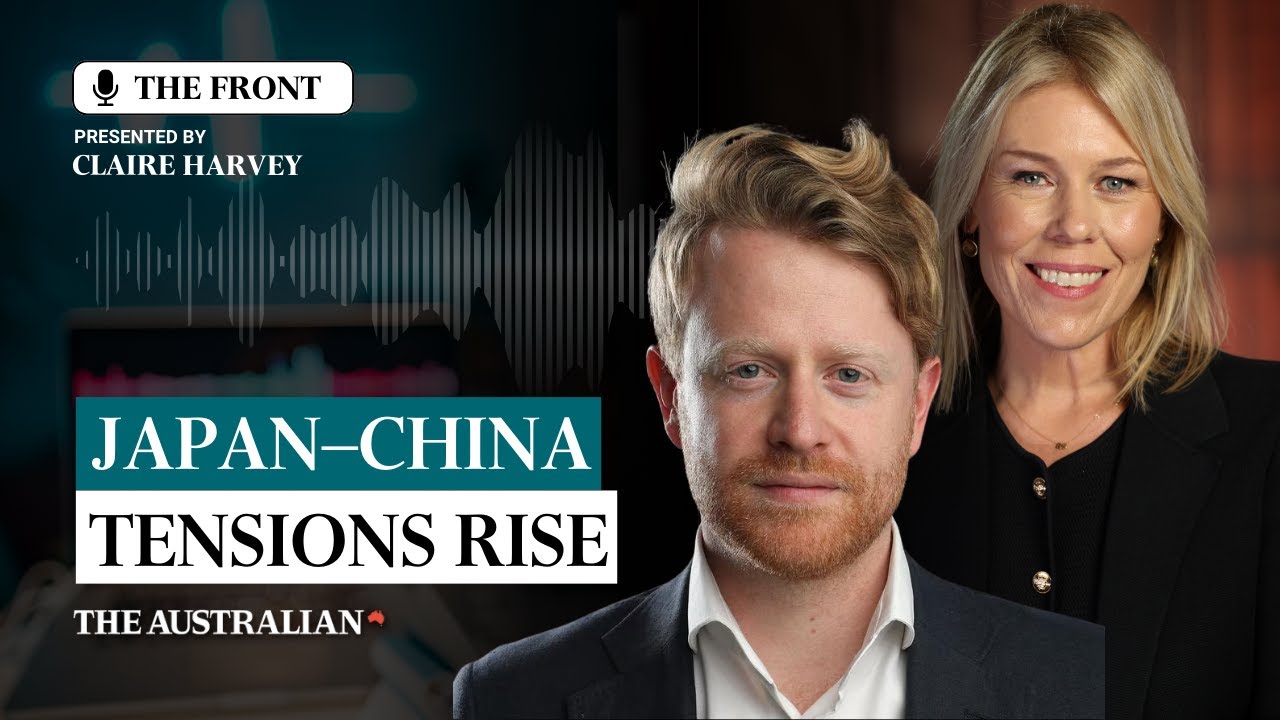
Japanese Prime Minister's Taiwan Remarks Escalate Tensions with China
Edited by: Svetlana Velgush
Geopolitical volatility in East Asia spiked sharply in November 2025 following definitive statements made by Japanese Prime Minister Sanae Takaichi concerning the status of Taiwan, officially the Republic of China (ROC). Speaking before the Japanese parliament on November 7, Ms. Takaichi characterized a potential People's Republic of China (PRC) assault on Taipei as an event that would constitute a "situation threatening Japan's survival." This declaration is unprecedented; no Japanese administration since the conclusion of World War II had publicly adopted such a stark stance regarding Taiwan. Such a statement could legally justify a military response from Tokyo under the collective self-defense legislation enacted in 2015 during the administration of Shinzo Abe.
The PRC Ministry of Foreign Affairs reacted instantly to Takaichi's remarks, labeling them "extremely dangerous" and "provocative." In direct retaliation, Beijing summoned Japan's Ambassador to the PRC, Kensugi Kanosugi, on November 14, and simultaneously imposed immediate economic sanctions. These punitive measures included a comprehensive ban on all seafood imports from Japan, dealing a significant blow to the nation's fishing industry. Furthermore, Chinese authorities issued advisories urging their citizens to refrain from making tourist trips to Japan.
Analysts project that the loss of approximately 6 million annual Chinese tourists could cost the Japanese economy roughly 11 billion US dollars. Following the trade restrictions, further repercussions materialized, such as delays in screening Japanese films and the cancellation of various cultural events across mainland China. This swift economic backlash underscores the deep interconnectedness and vulnerability of bilateral trade relations.
On November 28, PRC Foreign Ministry spokesperson Guo Jiaqun reaffirmed Beijing's official position. He stressed that the reintegration of Taiwan into China remains an indispensable component of the post-war international framework, citing its codification in the Cairo and Potsdam Declarations. In a seemingly defiant response to the economic pressure exerted by Beijing, Taiwan's President Lai Ching-te posted a photograph on social media showing him consuming sushi, an act that clearly incensed authorities in Beijing. Concurrently, Taipei is demonstrating resolve in bolstering its defense capabilities, planning to elevate defense spending to 3.3% of its Gross Domestic Product as early as 2026.
The diplomatic fallout may yet deepen, as Taiwan's Foreign Minister Lin Chia-lung warned on December 2, though he simultaneously expressed a desire to find common ground. The situation is further complicated by the impending summit between the leaders of the United States and the PRC. It was announced on November 24 that US President Donald Trump has accepted an invitation from PRC Chairman Xi Jinping to visit Beijing in April 2025. In late November, Trump spoke with Takaichi by telephone, urging restraint without issuing specific demands.
Taiwanese officials have voiced concerns that during this high-level meeting, Trump might concede ground on the Taiwan issue in exchange for Chinese cooperation in resolving ongoing conflicts in Ukraine and Gaza. Consequently, this April 2025 summit has emerged as a pivotal moment for determining the future trajectory of regional security architecture. The underlying tensions are also rooted in historical disputes, notably the ongoing territorial disagreement between Beijing and Tokyo over the Senkaku/Diaoyu Islands in the East China Sea, where Japan has recently deployed missile systems.
Takaichi's firm statements deviate significantly from the traditional reticence exhibited by past Japanese prime ministers, who typically favored ambiguous language regarding Taiwan to maintain a delicate regional equilibrium. As China escalates its diplomatic and economic coercion, major air carriers, including Air China, China Southern Airlines, and China Eastern Airlines, have begun offering complimentary ticket refunds for flights destined for Japan. This escalating crisis clearly exposes the fragility of the Asia-Pacific security framework, which relies heavily on the intricate diplomatic maneuvering between Washington, Beijing, and Tokyo.
2 Views
Sources
IlSussidiario.net
MarketScreener Italia
Radio Maria
Sky TG24
LaDiscussione
MarketScreener Italia
Read more news on this topic:



Did you find an error or inaccuracy?
We will consider your comments as soon as possible.