
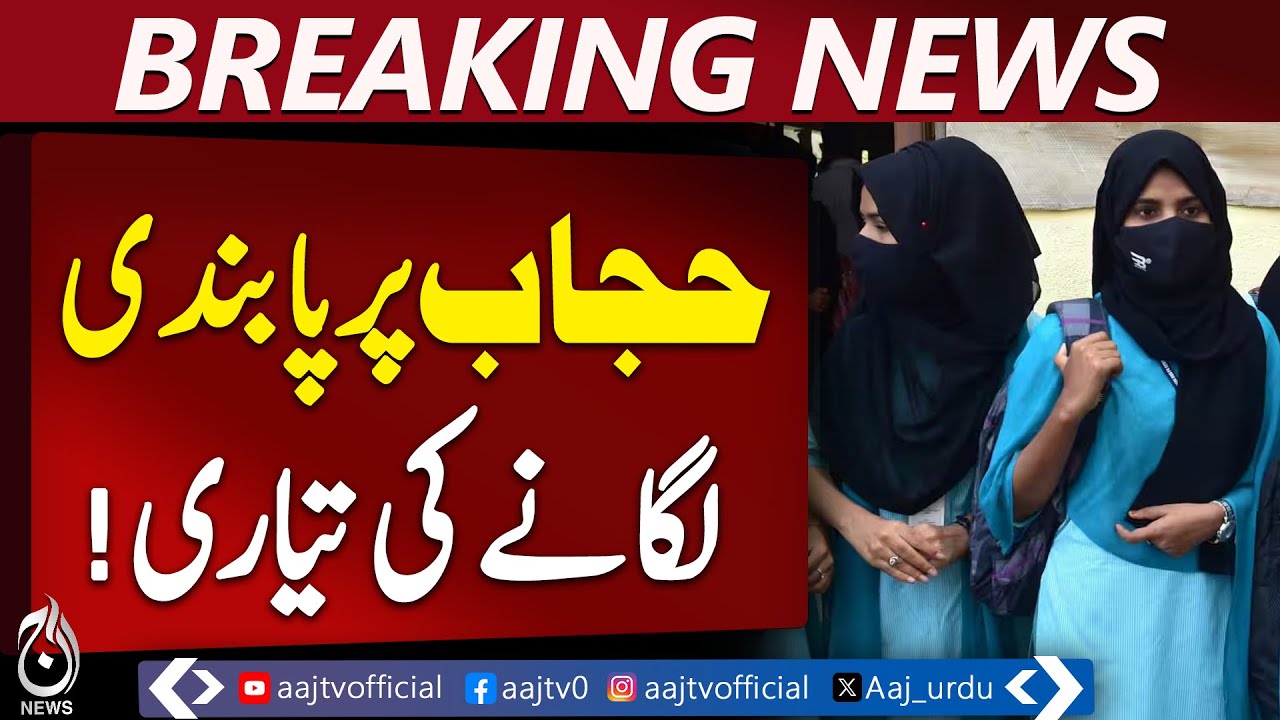
Austrian Parliament Approves Ban on Headscarves for Girls Under 14 in Schools
Edited by: Tatyana Hurynovich
On Thursday, December 11, 2025, the lower house of the Austrian Parliament officially sanctioned a new piece of legislation. This measure introduces a prohibition on wearing head coverings deemed to align with Islamic traditions for girls under the age of fourteen. The ban applies across all state-funded and private educational institutions nationwide.
The legislative proposal garnered support from the ruling coalition, which comprises the conservative Austrian People's Party (ÖVP), the Social Democratic Party (SPÖ), and the liberal Neos party. Proponents frame this legislation as a crucial step toward upholding gender equality and shielding young girls from external pressures regarding religious attire. The bill passed with a substantial majority, overcoming resistance from opposition groups.
While the law has been approved, there will be an explanatory period commencing in February 2026 before any enforcement measures take effect. The full implementation of the ban is scheduled for September 2026. Should parents repeatedly fail to comply with the new rule, they face administrative fines ranging from 150 to 800 euros. Current estimates, based on a 2019 study, suggest that this restriction could potentially impact approximately 12,000 students across Austria.
Advocates for the measure, including Integration Minister Claudia Plakolm (ÖVP) and Neos parliamentary leader Yannick Shetty, strongly maintain that the regulation is designed to safeguard the freedom of young girls and prevent the imposition of external mandates. Shetty emphasized that the core objective is fostering a school environment free from religious obligations. However, the opposition Green Party swiftly condemned the law, labeling it "manifestly unconstitutional" and predicting its eventual annulment by the courts. Furthermore, the Islamic Religious Community in Austria (IGGOe) voiced serious reservations, asserting that the decree jeopardizes social cohesion and infringes upon fundamental rights.
This development carries significant historical weight. In 2020, Austria's Constitutional Court struck down a similar ban targeting girls under ten years old, deeming it discriminatory against Muslims and a violation of the state’s principle of religious neutrality. The current administration, formed following February 2025 under the leadership of Christian Stocker (ÖVP), contends that specific legal vulnerabilities that led to the previous law’s cancellation have been addressed. Despite these assurances, Yannick Shetty acknowledged that the outcome of any future judicial review remains uncertain.
The far-right Freedom Party of Austria (FPÖ), which has seen a notable surge in public support according to recent polling, threw its backing behind the new regulation. The FPÖ characterized the move as merely the "first step" toward potentially extending the prohibition to include all school staff and the entire student body. Concurrently, human rights organization Amnesty International issued sharp criticism, arguing that the legislation will only exacerbate the existing climate of racism directed toward the Muslim community.
3 Views
Sources
Al Jazeera Online
Euractiv
The Local Austria
The Hindu
Reuters
The Guardian
Read more news on this topic:


Did you find an error or inaccuracy?
We will consider your comments as soon as possible.