


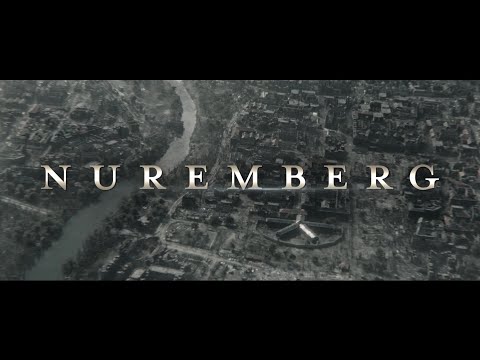
The Nuremberg Drama: A Psychological Duel Within the Historic Tribunal
Edited by: An goldy
Directed by James Vanderbilt, the historical drama 'Nuremberg' premiered on January 28, 2026, specifically timed to coincide with the eightieth anniversary of the landmark judicial proceedings. The film draws its primary inspiration from Jack El-Hai’s acclaimed non-fiction work, 'The Nazi and the Psychiatrist', which provides a detailed account of the post-war period.
This cinematic production shifts the focus away from the standard courtroom benches toward a high-stakes intellectual battle between two formidable minds. By exploring the unprecedented legal hurdles of the era, the film highlights how these trials established the bedrock of modern international law, specifically the definitions of genocide and crimes against humanity.
At the heart of this narrative is Hermann Göring, portrayed by Russell Crowe, a high-ranking Nazi official who surrendered to American forces on May 7, 1945. His primary adversary in the film is Douglas Kelley, played by Rami Malek, an American military psychiatrist who was tasked with a critical mission.
Kelley was responsible for assessing the defendants' mental fitness before the formal hearings began. In historical reality, Dr. Kelley spent approximately eight months interviewing Nazi leaders at a hotel in Luxembourg to understand their motivations and psychological states during the transition to peace.
He utilized a suite of psychiatric tools, including the Rorschach test, to probe the depths of their psyches and search for the roots of their actions. This period of intense observation provided raw material for psychological profiles that would fascinate historians and psychologists for many decades to come.
Göring is depicted as a charismatic orator and master strategist who engages Kelley in a sophisticated and often manipulative dialogue. He desperately attempts to maintain authority over his own legacy and public image throughout the entire legal process, refusing to yield his influence easily.
Meanwhile, the psychiatrist remains focused on uncovering the fundamental nature of evil itself, looking for answers in the shadows of the defendants' minds. Michael Shannon joins the cast as a member of the Supreme Court responsible for orchestrating the legal framework that introduced revolutionary concepts into global jurisprudence.
The movie received a four-minute standing ovation at the Toronto International Film Festival, signaling strong critical approval. It eschews traditional historical spectacle in favor of a claustrophobic psychological duel where the roles of hunter and prey frequently shift between the two protagonists.
The plot emphasizes that the ideologies championed by Göring remain a persistent threat to global stability even in the modern age. Vanderbilt creates a narrative that serves as a stark warning about how radical viewpoints can resurface if the lessons of history are forgotten by future generations.
The Nuremberg trials, which commenced on November 20, 1945, represented a massive collaborative effort by the Allies, including the USSR, Great Britain, and France. This precedent paved the way for future international tribunals, such as those addressing atrocities in Rwanda and the former Yugoslavia.
With the film’s Russian release scheduled for March 19, the global interest in re-examining this legacy remains incredibly strong. The proceedings continue to influence how the world responds to systemic violence and injustice in the modern era, proving the trial's enduring relevance.
44 Views
Sources
BFMTV
Sortiraparis
The Guardian
Screen Daily
The Brown Daily Herald
Read more articles on this topic:


Did you find an error or inaccuracy?We will consider your comments as soon as possible.