
Thailand-Cambodia Border Tensions Erupt Following Collapse of Trump-Brokered Truce
Edited by: Tatyana Hurynovich
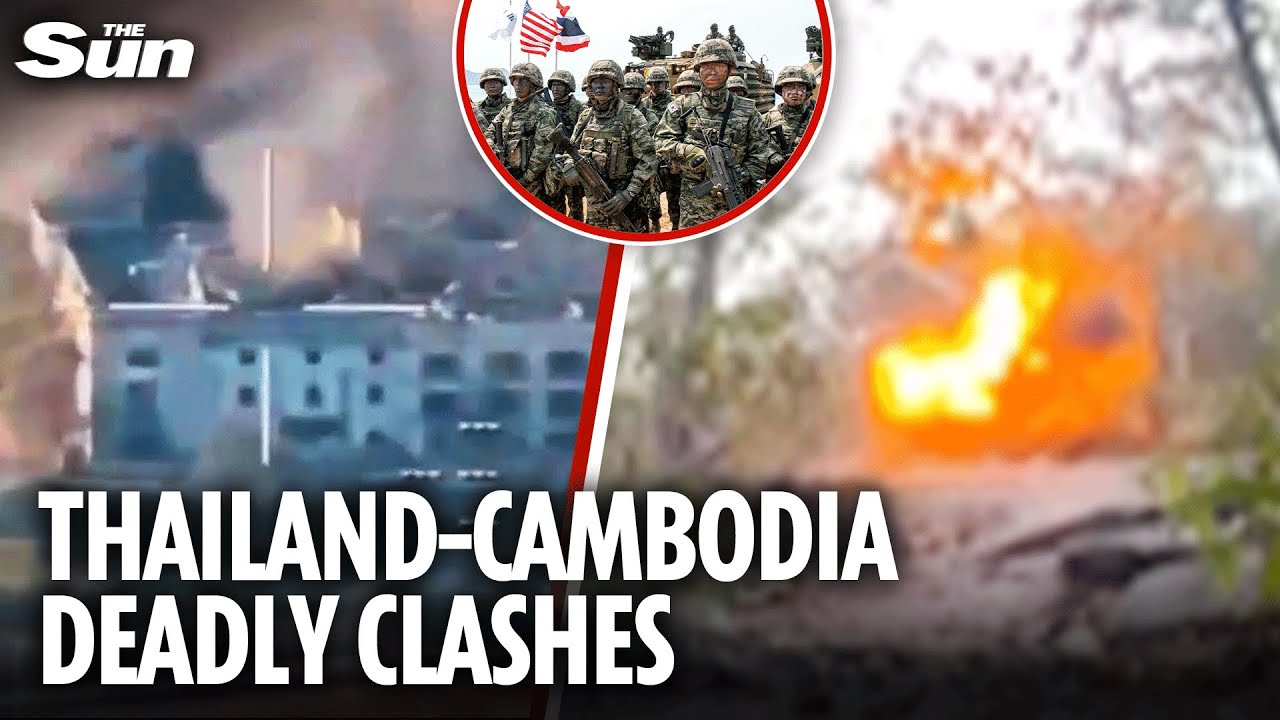
A significant escalation in border tensions between the Kingdom of Thailand and Cambodia occurred on Monday, December 8, 2025, culminating in Thai airstrikes against Cambodian territory. This aggressive action signaled the failure of a fragile ceasefire that had previously been established with the involvement of former U.S. President Donald Trump.
The flare-up followed intense skirmishes along the shared frontier, with both nations swiftly pointing fingers at the other for initiating hostilities. According to a statement from Thai Army spokesperson Major General Vintai Suwaree, F-16 fighter jets were deployed in direct retaliation for artillery and mortar fire originating from Cambodia, which targeted the Thai Anupong base near the Chong An Ma pass. Thailand reported that this morning’s shelling resulted in the death of at least one of its service members, with seven others sustaining injuries. The Royal Thai Air Force asserted that the strikes were intended to cripple Cambodia’s military capabilities for years to come, ensuring future security.
Conversely, the Cambodian Ministry of National Defence vehemently rejected these accusations, labeling Bangkok's actions as “inhumane and brutal,” and maintained that Cambodian forces had refrained from returning fire, remaining committed to the peace process. Reports from various media outlets indicated that Cambodia utilized tanks and multiple rocket launcher systems, including the BM-21 Grad, during its alleged strikes on Thai positions. These military engagements unfortunately led to tragic outcomes, including civilian fatalities and the urgent necessity for large-scale evacuations from the contested border zones.
This conflict, rooted in long-standing historical disputes over undefined segments of the 817-kilometer border—particularly concerning the Preah Vihear temple complex—has once again reached a critical boiling point. A preceding period of fierce fighting, which involved a five-day exchange of fire in July 2025 that claimed the lives of no fewer than 48 people and displaced 300,000 citizens, was halted largely due to the mediation efforts of Donald Trump. Peace seemed within reach when, at the ASEAN Summit in Kuala Lumpur in late October 2025, Thai Prime Minister Anutin Chanvirakun and Cambodian Prime Minister Hun Manet signed a joint declaration aimed at solidifying the peace. Malaysia’s Prime Minister Anwar Ibrahim chaired the ASEAN proceedings that year.
The December escalation followed Thailand’s decision in November to suspend de-escalation measures. Bangkok cited a recent landmine incident, which it claimed was newly planted by the Cambodian side, a charge Phnom Penh denied. Prime Minister Anutin Chanvirakun adopted a hardline stance, declaring that substantive dialogue was off the table until Cambodia met Thailand’s stated preconditions. The Thai military estimates that over 50,000 residents have been moved to shelters across five Thai border provinces, while Cambodia has reported the displacement of hundreds of thousands of its own people. Adding to the international concern, the Russian Embassy in Thailand advised its nationals to avoid travel to the volatile border provinces.
7 Views
Sources
New York Post
Thailand-Cambodia Conflict (2025) | Background, Escalation, Map, & Ceasefire | Britannica
TIMELINE: Thailand-Cambodia conflict - Bangkok Post
Anutin Charnvirakul | Biography & Facts - Britannica
Anutin rules out talks, demands Cambodia meet thai terms - Nation Thailand
Read more news on this topic:


Did you find an error or inaccuracy?
We will consider your comments as soon as possible.