

Castro Alleges Electoral Coup Amid Technical Failures in Honduras Vote Count
Diedit oleh: Svetlana Velgush
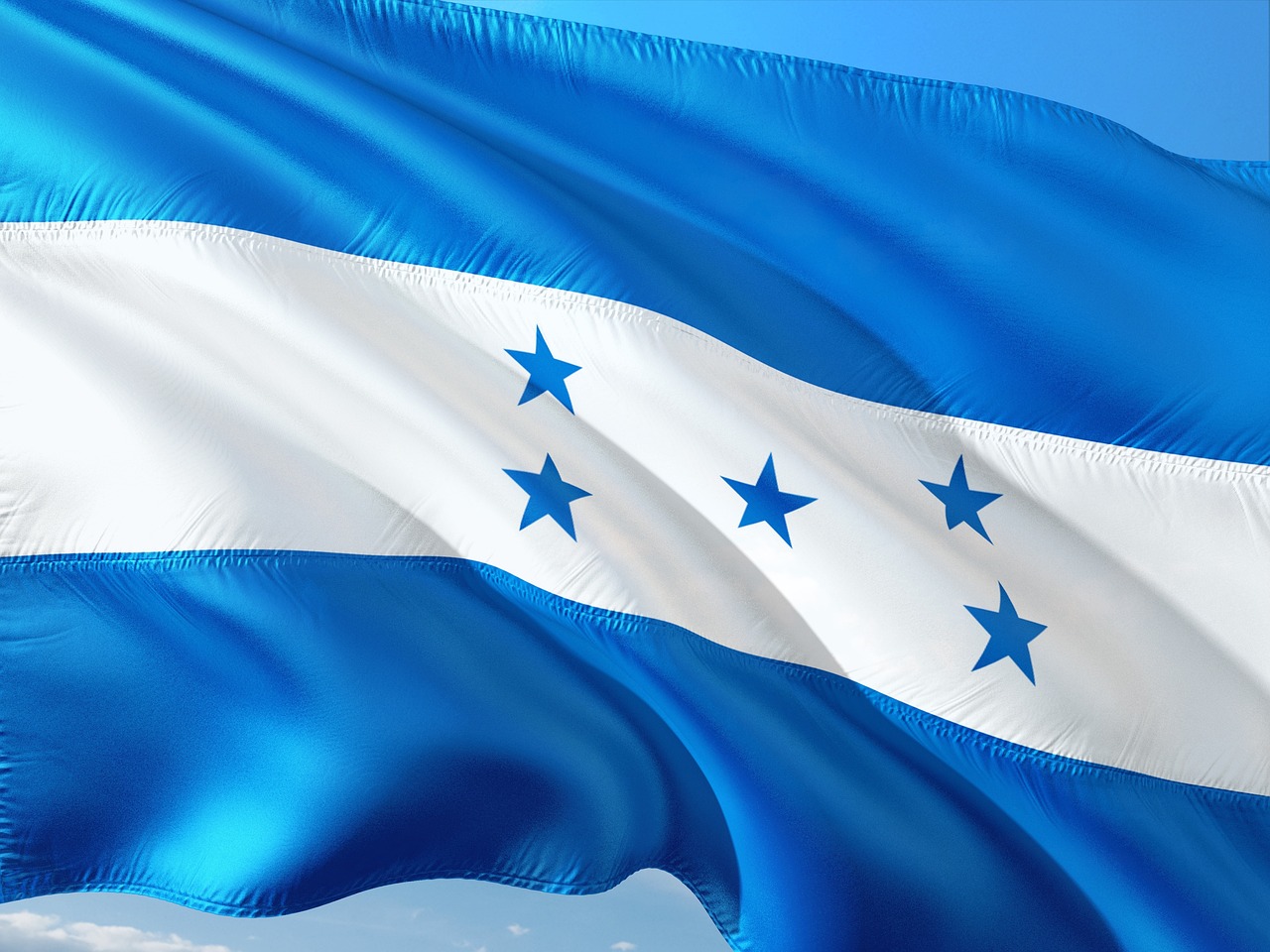
The political landscape in Honduras has entered a critical phase following the presidential election held on November 30, 2025, which has been overshadowed by serious allegations of systematic fraud and external interference. On Tuesday, December 9, 2025, President Xiomara Castro publicly denounced what she termed an "electoral coup" during an address in Olancho, specifically citing alleged intervention by former United States President Donald Trump as a direct challenge to the Honduran electorate's decision.
President Castro’s official statement detailed a series of anomalies that she claims compromised the electoral process, including threats, coercion, manipulation of the Preliminary Electoral Results Transmission System (TREP), and the adulteration of legitimate votes. The National Electoral Council (CNE) had reported on December 9, with 99.40% of the tabulation complete, a razor-thin margin among the top three contenders. Nasry Asfura of the National Party, who received explicit support from Donald Trump, led with 1,298,835 votes (40.53%). Salvador Nasralla of the Liberal Party followed closely with 1,256,428 votes (39.21%), while Rixi Moncada of the incumbent Libre party lagged significantly with 618,448 votes (19.29%).
The controversy involves key political actors: President Xiomara Castro, presidential candidates Nasry Asfura, Salvador Nasralla, and Rixi Moncada, and the electoral authority, CNE. ASD, a Colombian company managing the election results system, has also come under scrutiny regarding data integrity. CNE President Ana Paola Hall confirmed ongoing technical issues, indicating that between 15% and over 16% of the physical tally sheets require in-depth review. This technical failure in the TREP system, managed by an external entity, provides a basis for concerns over data integrity.
The political conclusions drawn by the involved parties reflect deep polarization. President Castro asserted that external intervention triggered an ongoing electoral coup and pledged to raise the matter in international forums, including the United Nations and the Organization of American States (OAS). Conversely, Salvador Nasralla explicitly demanded a total recount based on physical ballots, alleging "monumental fraud." The Libre Party, aligned with Castro and Moncada, took the most decisive step by calling for the complete nullification of the election results.
The situation is complicated by geopolitical context, particularly Donald Trump’s public endorsement of Nasry Asfura, whom he previously labeled a "friend of freedom." This dynamic intensified following Trump’s controversial decision on December 2, 2025, to pardon former Honduran President Juan Orlando Hernández, a National Party affiliate, who was serving a 45-year sentence in the United States for drug trafficking. Hernández’s release, which occurred shortly before the election, adds a significant international dimension to the domestic dispute.
Uncertainty is expected to persist until the CNE officially declares a winner, a deadline set for no later than December 30, 2025, ahead of the presidential inauguration scheduled for January 2026. The divergence between the initial digital count and the physical tally sheets cited by Nasralla represents a crucial factual point demanding immediate and transparent resolution.
33 Tampilan
Sumber-sumber
Haberler
Reuters
The Guardian
The Hindu
ASEAN Post
Wikipedia
Baca lebih banyak berita tentang topik ini:


Apakah Anda menemukan kesalahan atau ketidakakuratan?Kami akan mempertimbangkan komentar Anda sesegera mungkin.