

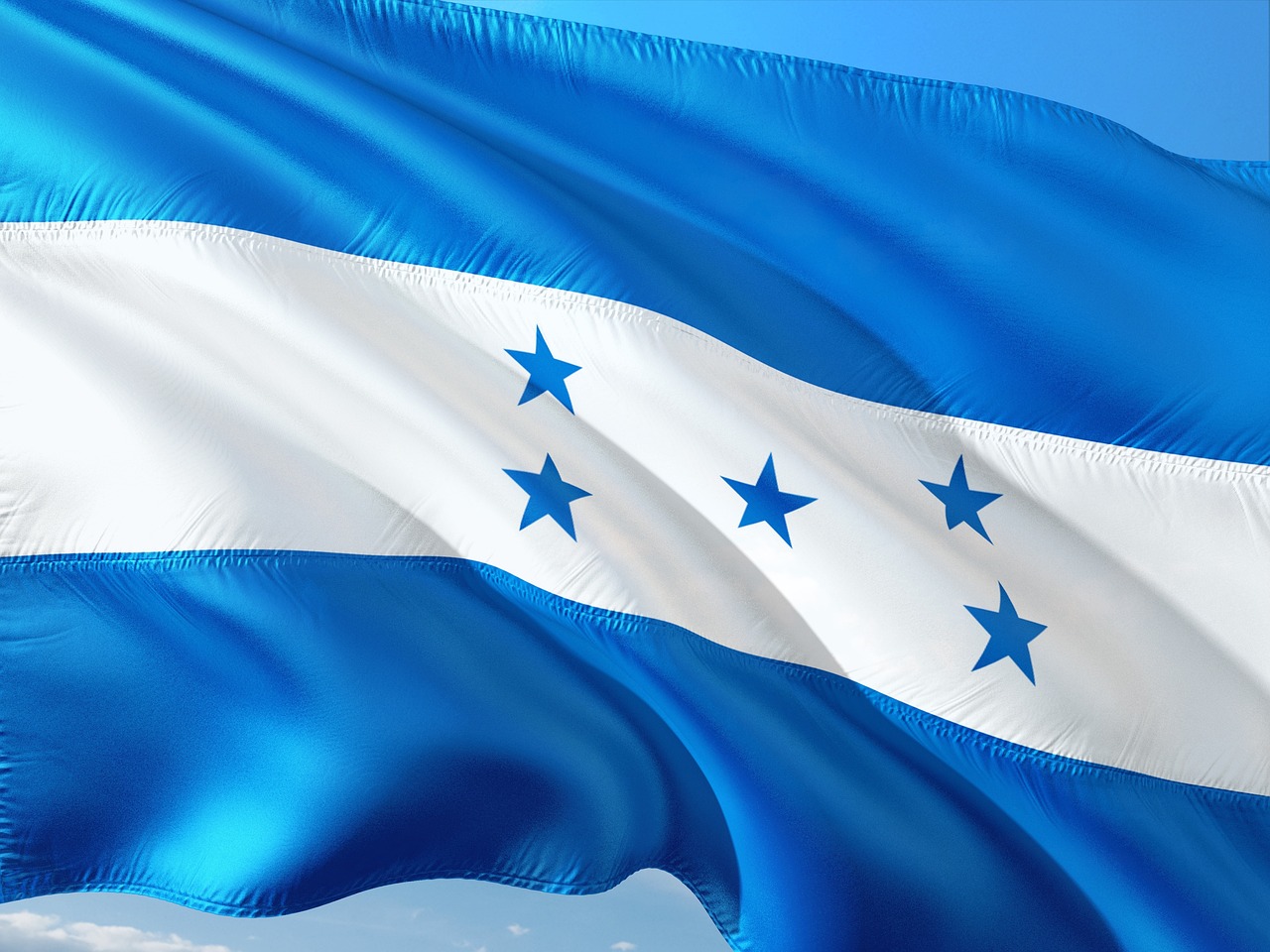
Honduran Election Crisis Deepens Amid Coup Allegations and Trump Interference Claims
Edited by: Svetlana Velgush
Honduras's political environment fractured following the presidential election on November 30, 2025, as incumbent President Xiomara Castro alleged an "electoral coup" on Tuesday, December 9, 2025, from Olancho. President Castro explicitly cited alleged interference from former United States President Donald Trump, asserting that democratic principles must be upheld and denouncing the external actions as a "direct attack on the popular will." The entire electoral process, she claimed, was compromised by "threats, coercion, manipulation of the TREP and the adulteration of the popular will."
The high-stakes contest, which is set to conclude with the next leader's inauguration in January 2026, remains unresolved pending the National Electoral Council's (CNE) formal declaration of a winner by the December 30 deadline. Preliminary vote tabulation, with 99.40% processed as of December 9, indicated a narrow margin between conservative candidates. Nasry Asfura of the National Party, who received public support from Donald Trump, held a marginal lead with 1,298,835 votes, representing 40.53%. Salvador Nasralla of the Liberal Party followed closely with 1,256,428 votes, accounting for 39.21% or 39.48% in various tallies. Rixi Moncada of the ruling Libre party trailed in third place with 618,448 votes, or 19.29% or 19.30%, signaling a significant voter rebuke against the governing party.
The controversy is intensified by the geopolitical context, particularly the actions of former U.S. President Donald Trump. Trump had previously endorsed Asfura, describing him as a "friend of freedom." Furthermore, days before the November 30 vote, Trump announced a pardon for former Honduran President Juan Orlando Hernández, a National Party member convicted in the U.S. for drug trafficking. Hernández was released from the U.S. Penitentiary, Hazelton in West Virginia, on Monday, December 2, 2025, after receiving the pardon on December 1, an action that introduced a volatile external element into the domestic dispute.
Central to the integrity dispute are key technical aspects of the vote count. The Transmission of Preliminary Electoral Results (TREP) system, managed by the Colombian company Grupo ASD S.A.S. under a unanimous CNE contract, has been the focus of concern. CNE President Ana Paola Hall confirmed technical problems and inconsistencies affecting between 15% and over 16% of the tally sheets, which now require comprehensive review. Opposition candidate Salvador Nasralla cited "monumental fraud" and demanded a full recount based on physical tally sheets, a position echoed by the Libre Party, which has called for the election's annulment. These technical failures have fueled domestic distrust, drawing comparisons to the disputed 2017 election.
Until the CNE issues its final declaration, the situation remains poised for potential instability, with the leading candidate claiming victory while the incumbent party demands annulment. The U.S. government has indicated it is closely monitoring the process and is prepared to respond "swiftly and decisively" to any irregularities. The election's final outcome will shape the direction of the Central American nation, which continues to face challenges related to poverty and governance that have driven significant migration.
33 Views
Sources
Haberler
Reuters
The Guardian
The Hindu
ASEAN Post
Wikipedia
Read more news on this topic:


Did you find an error or inaccuracy?We will consider your comments as soon as possible.