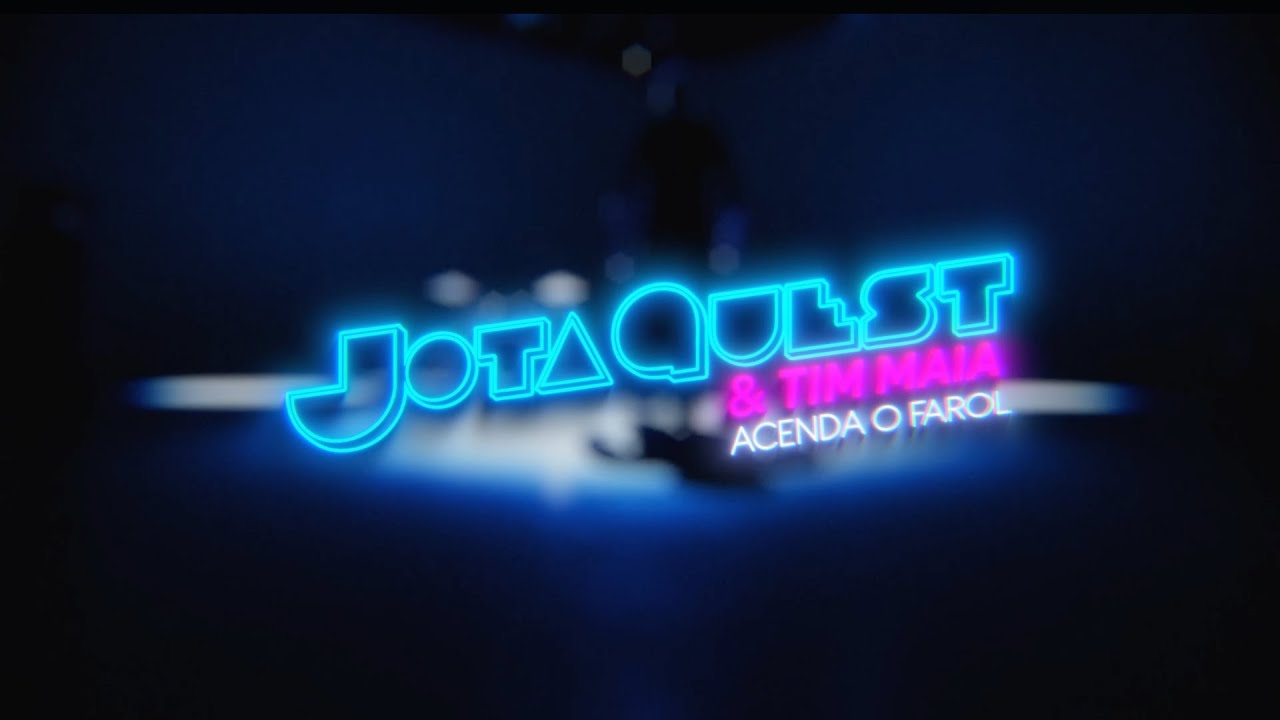
Jota Quest & Tim Maia - Light the Lighthouse
Share
Edited by: Inna Horoshkina One
Jota Quest & Tim Maia - Light the Lighthouse
Brazilian music signaled a new chapter in December 2025. The band Jota Quest kicked off their 30th-anniversary celebrations by releasing the single “Acenda o Farol (feat. Tim Maia)”. This track features the legendary voice of Tim Maia, bringing his sound back into the contemporary spotlight.
new single 'The Star is Jesus'
For the group, which debuted with the album “J.Quest” back in 1996, this release is more than just a celebratory nod. It signifies a core belief: the past is not something archived; it possesses the power to illuminate the path forward.
Simultaneously, elsewhere on the Brazilian music landscape, Dera Barbosa, former lead vocalist of Banda Beijo, launched her gospel single “A Estrela é Jesus”. This move publicly solidifies her transition away from axé music toward ministry-focused music.
These two narratives, spanning different genres, share a common thread: music serving as both illumination and a guiding path.
“Acenda o Farol”: A Timeless Duet
The original iteration of “Acenda o Farol” appeared in 1978 on the album “Tim Maia Disco Club” and has long been considered a cornerstone of Brazilian soul music. The 2025 rendition by Jota Quest is framed not as a mere cover, but as a genuine dialogue spanning decades.
The track incorporates Tim Maia’s original vocal takes, secured with the official consent of his son, Carmelo Maia, who safeguards the musical legacy.
Jota Quest built a fresh arrangement around this vibrant 70s voice, maintaining the recognizable groove while infusing it with modern sonic textures and dynamics.
This release marks the commencement of their anniversary cycle, timed around the 30th anniversary of their 1996 debut, “J.Quest”. It also serves as the precursor to a full-length tribute album dedicated entirely to Tim Maia’s songs, slated for release in April 2026.
The year 2025, which the band designated as a period of creative sabbatical, is not one of silence but of intense preparation. Beyond the tribute album, a remastered reissue of their debut record is being prepared for both digital and vinyl formats.
Another significant development is Jota Quest’s move to Universal Music Brasil after nearly three decades of partnership with Sony Music. This transition subtly underscores the anniversary theme: it’s about initiating a new phase, not just dwelling on nostalgia.
Vocalist Rogério Flausino described the project honoring Tim Maia as the fulfillment of a long-held artistic aspiration. Indeed, Tim Maia’s influence on Jota Quest is profound; in the 90s, he offered crucial support to the young musicians and helped solidify the band’s name. Now, they return the favor by ensuring his voice resonates with a new generation.
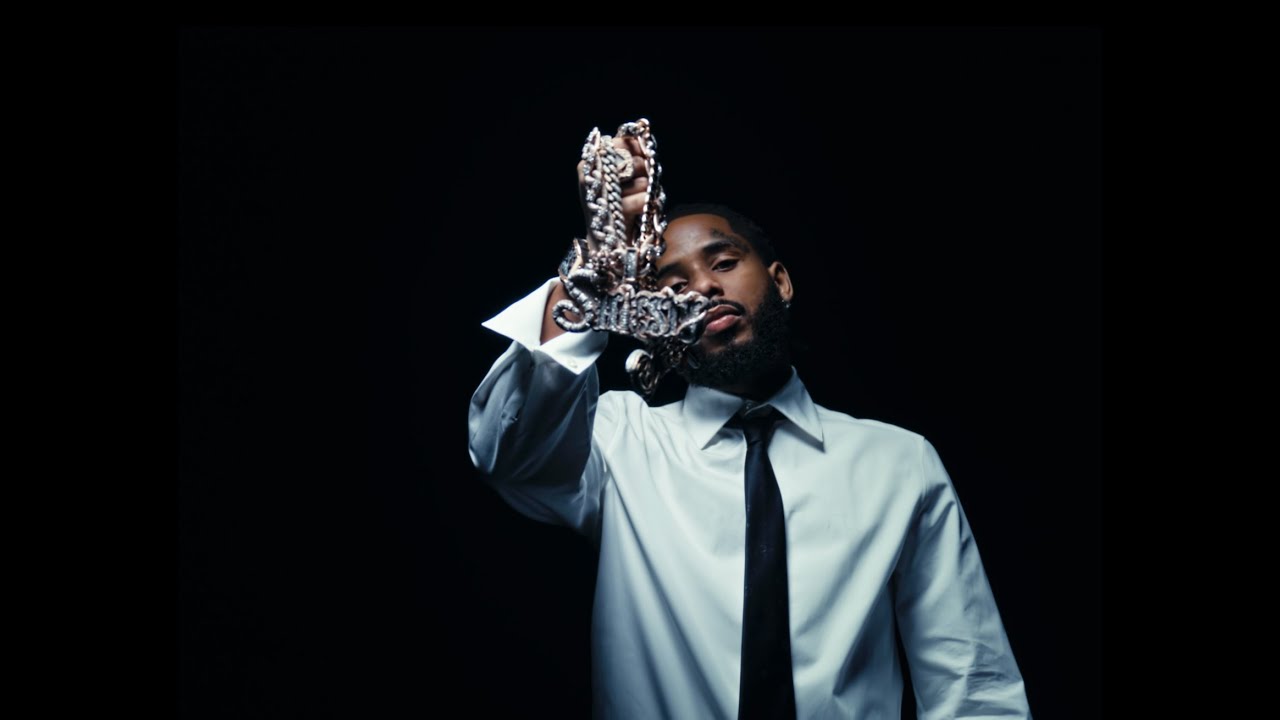
Accompanying the single is an immersive music video, filmed at MIS Fortaleza and directed by artist and director Batman Zavareze.
The video interweaves contemporary footage of Jota Quest with archival recordings of Tim Maia.
The setting utilizes a 360-degree aesthetic, playing with light and mirrors, creating the sensation that the viewer is entering a 'memory chamber' where past and present reflect infinitely upon each other.
This visual concept perfectly mirrors the song’s core message. “Acenda o Farol”—“Turn on the Headlight”—acts as both a personal plea and an invitation: to switch on the light not only on the road ahead but also within one’s own history.
On a different trajectory, yet moving toward illumination, is the story of Dera Barbosa. Previously known as the voice of Banda Beijo, an icon of the vibrant axé scene, her focus has shifted.
Today, she presents herself on social media as a singer and missionary, with her creative center rooted in faith and service. Her new single, “A Estrela é Jesus”, embodies this change.
Written by Dera herself, the song emerged from a personal spiritual realization where she identified Jesus as the “Morning Star” and the principal light in her life.
It was produced by Leandro Leno, who also contributed keyboards and backing vocals.
Musicians Wesley de Jesus Santos (bass) and Bruno Cesar Marques A. Santos (guitar) participated in the recording.
The track is now available on digital platforms, signaling the start of her gospel music career.
In the lyrics, Dera clearly articulates her foundation: Jesus is not an abstract light but a specific “Star” that dictates the entire course of her life. In interviews, she expresses hope that this music will help listeners grasp the sovereignty of the Divine and recall the simple truth: “Nothing can be done without Him.”
This represents more than just a genre shift; it signifies a fundamental change in the focal point of her artistry—moving from the stage as a platform for success to the stage as a venue for ministry.
Examining these events through the lens of Harmonics and Grand Resonance provides a richer context.
The narrative involving Jota Quest and Tim Maia speaks to Harmonics. This is the music of souls that complement, rather than compete across, time. The voice from 1978 and the voices of 2025 construct a unified lineage: “We are still here, we still sound, just in different vessels, but the light remains the same.”
Dera Barbosa’s journey leans toward Grand Resonance. Here, music transcends being merely an expression of human feeling; it becomes a conduit for finer, more celestial currents. It is a song not just about emotions, but about the destination of those emotions.
Taken together, they illustrate that Harmonics is about respecting and extending each other through time, while Grand Resonance occurs when something greater than ourselves begins to resonate through us.
The world is rediscovering its voices—literally bringing Tim Maia’s timbre back into rotation, not as an archival piece, but as an active participant in a modern musical conversation.
The world is exploring new modalities of service through artists like Dera Barbosa, who channel their stage experience into music centered on faith and support.
It is as if Ludwig van Beethoven’s words quietly echo from behind the scenes:
“There is no higher mission than to approach the Divinity closer than other mortals and, through this contact, spread the rays of the Divinity throughout the human race.”
In this context, both “Acenda o Farol” and “A Estrela é Jesus” convey a unified message: one song urges us to “turn on the headlight,” while the other reminds us “not to forget the source of that light.”
It is not the world altering its sonic geometry; rather, we are gradually ceasing to be dissonant with the Harmony in which the planet has long existed.
Portal MPA
Nitro News Brasil
Atlântida FM
Campina FM
Diário Carioca
SUPER JOVEM FM
Arteview
YouTube
YouTube
YouTube
Did you find an error or inaccuracy?
We will consider your comments as soon as possible.