
Canine Mental Health Enhanced by Structured Enrichment and Scent Work
Edited by: Olga Samsonova
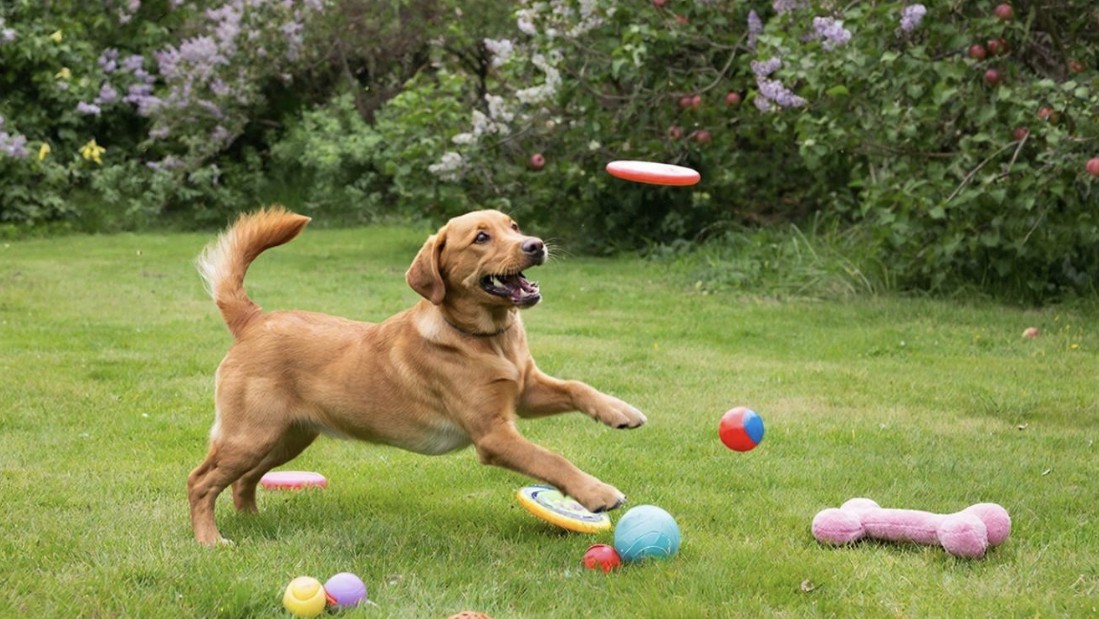
Maintaining robust mental stimulation is recognized as a critical component of canine well-being in 2025, with veterinary sources advocating for a minimum of 30 minutes of combined physical and mental activity daily. This focus on cognitive engagement is essential to mitigate boredom and the subsequent behavioral deviations that can arise from under-stimulated minds.
One accessible enrichment method involves preparing frozen snacks utilizing safe fruits and vegetables, a technique applicable to dogs across all life stages and sizes, providing valuable mental work both indoors and outdoors. This strategy capitalizes on readily available produce; recommended components frequently include apples, berries, or celery, often combined with frozen bananas for texture. Carrots are specifically highlighted in some protocols because their density causes them to sink when frozen in water, thereby increasing the retrieval challenge for the dog. Owners can extend the duration of this focused activity, which can occupy a dog for approximately 30 minutes, by increasing the difficulty through deeper freezing or adding water before the process, offering a useful diversion during demanding schedules.
Established pet care institutions also endorse other proven enrichment modalities, including the provision of durable, long-lasting chews or toys designed to be stuffed, such as KONG brand products. Beyond food-based puzzles, scent work and nose games represent a significant trend in canine enrichment, with data suggesting that dedicating just ten minutes to sniffing activities can yield the mental fatigue equivalent of an hour-long walk. Dogs process the world primarily through olfaction, possessing up to 300 million olfactory receptors compared to the human six million, meaning sniffing is a profound form of information gathering and mental exercise.
Sniff walks, or leisurely strolls where the dog is permitted to follow their nose, are lauded for reducing anxiety and over-arousal, and can be highly satisfying and calming. A short sniff walk can leave a dog more relaxed upon return, while a longer one might exhaust them for the remainder of the day. To maximize the cognitive benefit of scent exploration, owners can employ techniques like creating scent trails or treasure hunts, perhaps by dragging a scented item or hiding kibble before the dog arrives at the location.
While structured exercise remains crucial, integrating these sensory activities addresses the dog's inherent need to explore their environment through smell, which is a core instinctual drive. For example, cucumbers, which are low in fat and carbohydrates, are excellent for hydration and can be frozen as a cooling chew, while apples, rich in fiber, must always be offered without the core or seeds due to potential gastrointestinal upset or cyanide risk. Responsible ownership dictates that while these enrichment activities are vital, owners must maintain hierarchical boundaries, as consistently letting a dog dictate the entire walk via sniffing could potentially reinforce negative leash behaviors like pulling.
4 Views
Sources
AOL.com
Is Your Dog Getting Enough Enrichment? Here's a Fun and Healthy Way to Make Them Work for a Snack - PetHelpful
Canine Enrichment Tips for Happy, Healthy Dogs in 2025 - Paw Prints Animal Hospital
10 Best Dog Enrichment Activities in 2025 for Mental Stimulation & Hap
The Best Holiday Gifts for Pets, According to a Pet Parent With a Full House
Dog is Human Thanksgiving Enrichment! #dogishuman #thanksgiving #enrichment #dogmomtip #dogmom - YouTube
Read more news on this topic:



Did you find an error or inaccuracy?
We will consider your comments as soon as possible.