

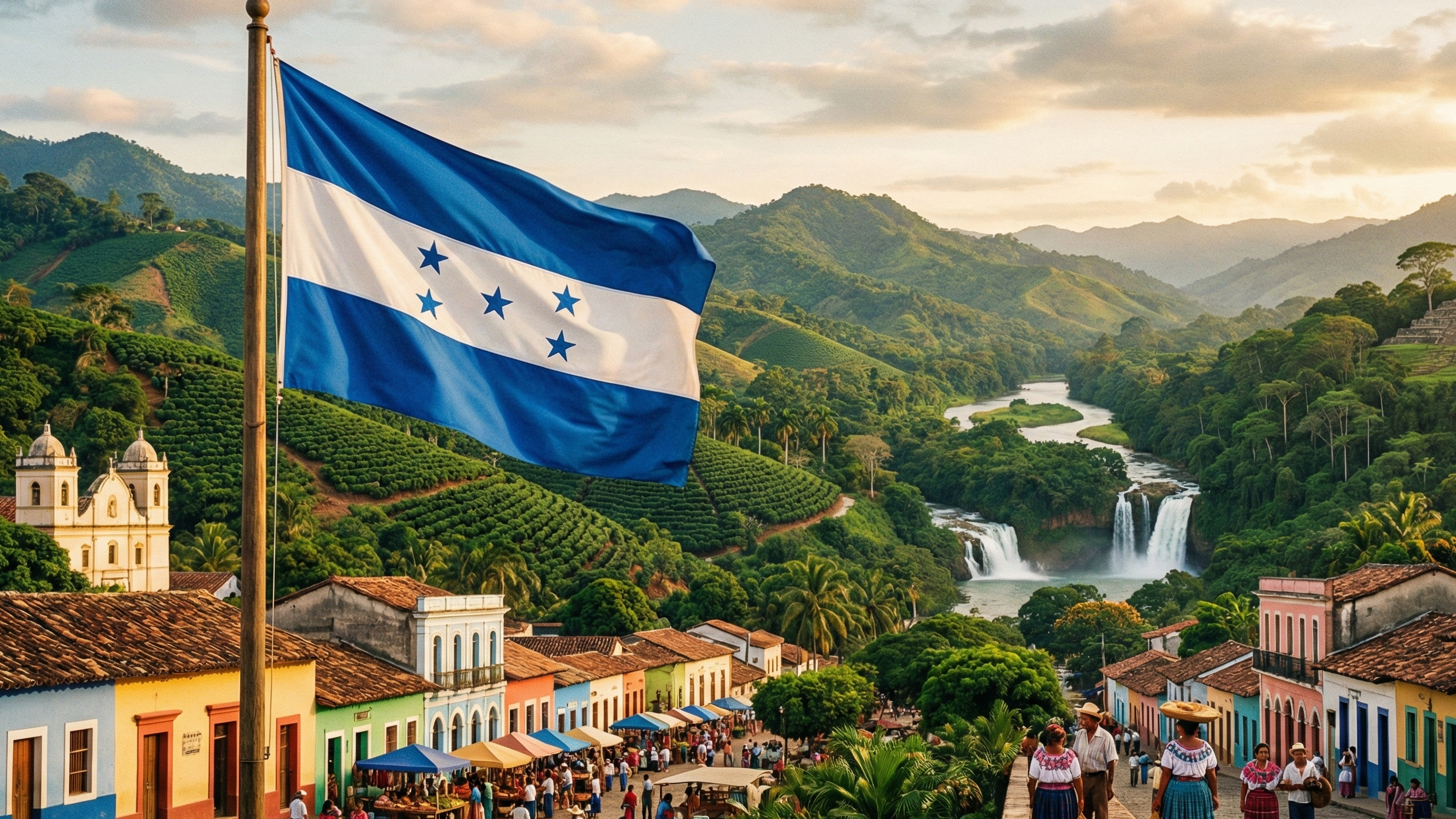
Honduras
Share
Edited by: gaya ❤️ one
Honduras
The political climate in Central and South America is currently defined by two critical developments: a deeply contested general election in Honduras and a significant diplomatic overture from Colombia concerning the future of Venezuelan leadership. As of December 11, 2025, the result of the Honduran general election, held on November 30, remains undetermined, prompting a special recount process following widespread allegations of fraud and external interference.
Honduras
The National Electoral Council (CNE) has initiated a review focusing on approximately 14% to 15% of tally sheets that displayed transmission errors or inconsistencies, according to CNE official Cossette Lopez-Osorio, who indicated that verification findings could be released within three days. The preliminary count, based on 99.40% of ballots as of December 9, showed Conservative candidate Nasry Asfura of the National Party narrowly leading with 40.53%, ahead of Salvador Nasralla of the Liberal Party at 39.21%. Rixi Moncada of the ruling LIBRE party trails in third place with approximately 19.30% of the vote.
The crisis has been intensified by accusations of systemic manipulation, with Rixi Moncada labeling the situation an 'electoral coup' involving foreign interference. Council member Marlon Ochoa further characterized the election as the 'most manipulated and least credible in the country's democratic history,' citing serious cybersecurity concerns. Distrust is fueled by technical failures within the Preliminary Election Results Transmission system (TREP), a contract awarded unanimously to the Colombian firm Grupo ASD S.A.S. in August 2025, despite the firm's noted experience since 1990. The CNE faces a legal deadline of December 30, 2025, to validate the result before the Honduran Congress may potentially intervene.
Simultaneously, in a major geopolitical shift, the Colombian government indicated its readiness to evaluate asylum for Venezuelan President Nicolás Maduro should his departure become a condition of international transition talks. Colombian Foreign Minister Rosa Yolanda Villavicencio Mapy confirmed this position during a December 11, 2025, interview, stating that Colombia would adhere to international asylum instruments and would not deny protection if Maduro's exit were part of a negotiation framework, noting, 'Colombia would have no reason to say no'. This statement represents the first explicit indication from a senior Colombian official of the country's willingness to host Maduro in exile.
This diplomatic stance aligns with President Gustavo Petro's stated goal for a Venezuelan transition 'with the inclusion of all' and his promotion of a 'general amnesty'. The context includes increased military pressure by the U.S. administration under Donald Trump on Venezuela, involving expanded sanctions against Maduro's relatives and oil tankers. Minister Villavicencio, while emphasizing support for 'dialogue and diplomatic negotiation' to de-escalate regional tensions, suggested that Maduro might ultimately prefer exile outside of Colombia. These concurrent events highlight a period of significant institutional fragility in Honduras and a potential pragmatic diplomatic pivot by the Petro administration in Colombia aimed at regional stability.
ThePrint
www.vanguardia.com
Portal do Holanda
IFES Election Guide
Strategic Energy Europe
Wikipedia
Laredo Morning Times
Infobae
La FM
The Associated Press
El Tiempo
La República


