



European Nations Scale Back Middle East Military Presence as U.S.-Iran Tensions Reach Breaking Point
Edited by: Tatyana Hurynovich
In February 2026, a sharp escalation in hostilities between the United States and Iran, triggered by a direct ultimatum from U.S. President Donald Trump, prompted several European nations to downsize their military footprints across the Middle East. This deepening crisis, centered on Iran’s nuclear ambitions and its regional influence, has forced countries like Germany and Norway to initiate personnel withdrawals. Furthermore, these governments have issued urgent advisories for their citizens to depart Iran immediately, citing a rapidly deteriorating security environment.
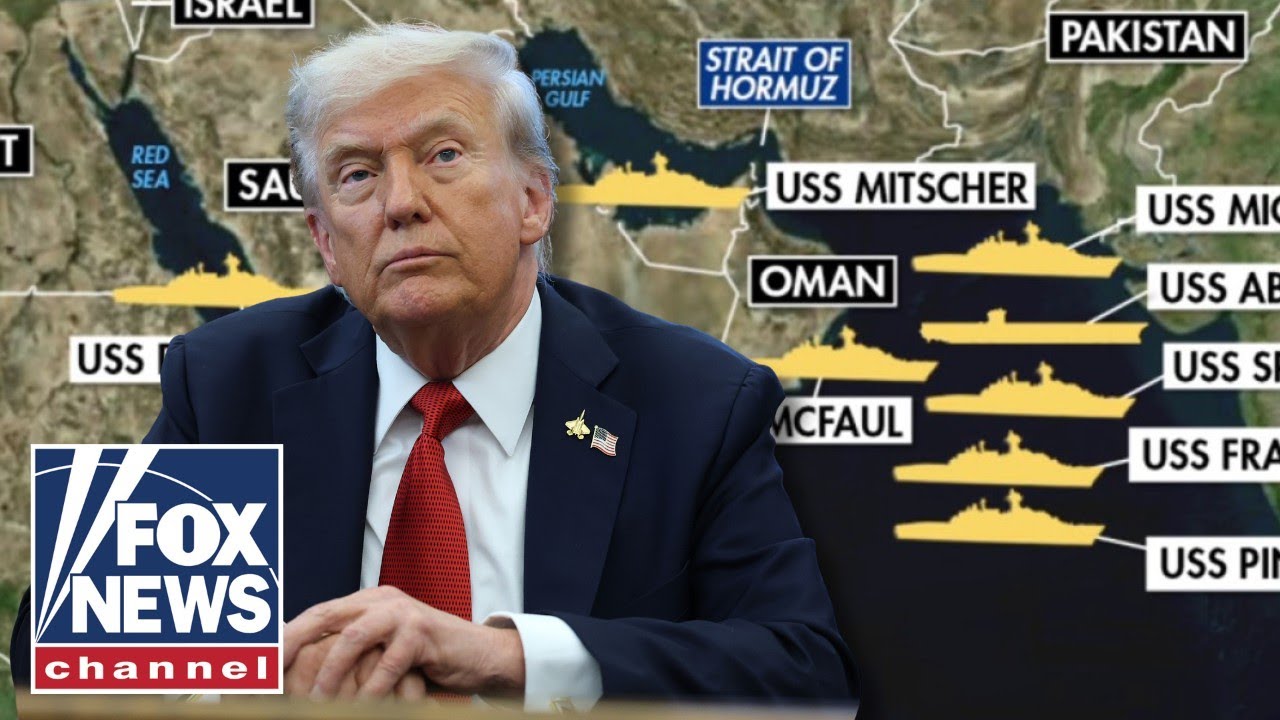
On February 19, 2026, President Trump established a rigorous timeline, granting Tehran a window of 10 to 15 days to comply with American demands or face what he described as "very bad things." This ultimatum coincides with the United States mobilizing its largest regional military force since the 2003 Iraq campaign. In response to this volatility, Norway has begun relocating a portion of its 60-strong contingent involved in training missions, noting that the current climate makes fulfilling their primary objectives nearly impossible. Simultaneously, the German Bundeswehr has decided to slash its staffing levels at the Erbil base in Iraq to an absolute minimum, rerouting personnel through Jordan.
The German Foreign Ministry has issued a stern directive for German nationals to exit Iran without delay, pointing to the severely limited consular assistance available as the Tehran embassy operates with a skeleton crew. This sense of urgency is shared by Poland and Sweden, both of which released similar emergency travel warnings, reflecting a unified risk assessment among European allies. Tehran, however, has remained defiant, dismissing the U.S. ultimatum and vowing a "decisive" retaliation against any aggression. Iranian officials have explicitly designated all "hostile force" bases and assets in the region as legitimate military targets.
To project its military capabilities, Tehran recently restricted maritime traffic in sections of the Strait of Hormuz during the "Maritime Security Belt - 2026" naval exercises, conducted alongside Russia and China. As a vital artery for global energy exports, the potential closure of the strait has already sent shockwaves through the markets, pushing Brent crude oil prices past the $83 per barrel mark. This economic instability follows the collapse of diplomatic efforts in Geneva, where a second round of indirect talks between Washington and Tehran on February 17 and 18 failed to produce a breakthrough.
The core demands from Washington—which include a total cessation of uranium enrichment, strict limits on ballistic missile development, and an end to the funding of regional proxy groups—remain non-starters for Tehran, which insists on negotiating only the nuclear aspect of its program. The situation is further complicated by reports that the Trump administration is weighing a limited military strike on Iranian infrastructure as a coercive tactic. Notably, NATO allies, with the exception of Israel, have reportedly been excluded from the planning phases of any potential military campaign. Consequently, the recent maneuvers by European states serve as a preemptive measure, signaling their belief that the window for a diplomatic resolution is closing fast.
1 Views
Sources
Deutsche Welle
Vertex AI Search
77 WABC
Khaama Press
Al Sharqiya
Read more news on this topic:


Did you find an error or inaccuracy?We will consider your comments as soon as possible.