


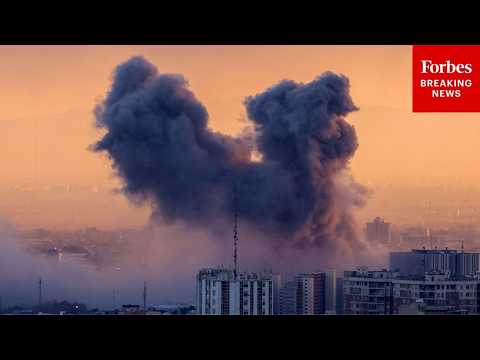
Black, potentially toxic rainfall descended upon Tehran on March 8, 2026, following Israeli military actions targeting fuel storage facilities in the Iranian capital the preceding day. The city, home to nearly 10 million people, was enveloped in thick, dark smoke from the resulting fires, creating significant environmental concern for residents.
The strikes reportedly targeted four oil storage facilities and a refinery in Tehran and the neighboring Alborz province, including the Aghdasieh oil warehouse and the Shahran oil depot. Meteorological experts correlated the unusual precipitation with the massive combustion events intersecting with a low-pressure weather system moving across Iran and western Asia. Dr. Akshay Deoras, a research scientist at the University of Reading, explained that the raindrops collected airborne pollutants, acting as "little sponges or magnets," which resulted in the observed 'black rain.'
The chemical significance of this phenomenon stems from the release of sulphur and nitrogen compounds during the burning of oil, which can dissolve in rainwater to form corrosive acids, raising fears of regional acid rain contamination. The Iranian Red Crescent Society issued immediate health warnings, cautioning that the rainfall could be "highly dangerous and acidic," capable of causing "chemical burns of the skin and serious damage to the lungs." Residents reported acute symptoms, including headaches, eye and throat irritation, and difficulty breathing, particularly among vulnerable populations.
Iranian state media characterized the operation as an attack by the "US and the Zionist regime." Iran's Foreign Ministry spokesperson, Esmaeil Baghaei, asserted that targeting fuel depots constituted the release of hazardous materials and the poisoning of civilians on a massive scale. Furthermore, Iran's Deputy Health Minister, Ali Jafarian, indicated on Monday that soil and water supplies near Tehran were already showing signs of contamination from the weekend's explosions.
Experts caution that long-term environmental repercussions may follow from the released materials, which included soot, oil particles, sulphur compounds, and potentially heavy metals. Professor Andrea Sella, a professor of inorganic chemistry at University College London, noted that the crude oil combustion exposed the population to a "cocktail of chemistry," including aromatic compounds linked to cancer risk, depending on exposure severity and duration. The Iranian Red Crescent Society advised citizens to shelter indoors, cover openings with damp cloth, and pressure wash exteriors after the rain to mitigate the subsequent formation of "toxic dust."
The governor of Tehran confirmed damage to the capital's fuel supply network, suggesting restoration efforts might require several days. The World Health Organization's head, Tedros Adhanom Ghebreyesus, expressed concern that damage to petroleum facilities risks contaminating food, water, and air, posing severe health risks, especially to children and the elderly.


