
Super Typhoon Ragasa Unleashes Fury: Philippines Braces for Impact as Asia Prepares
Edited by: Svetlana Velgush
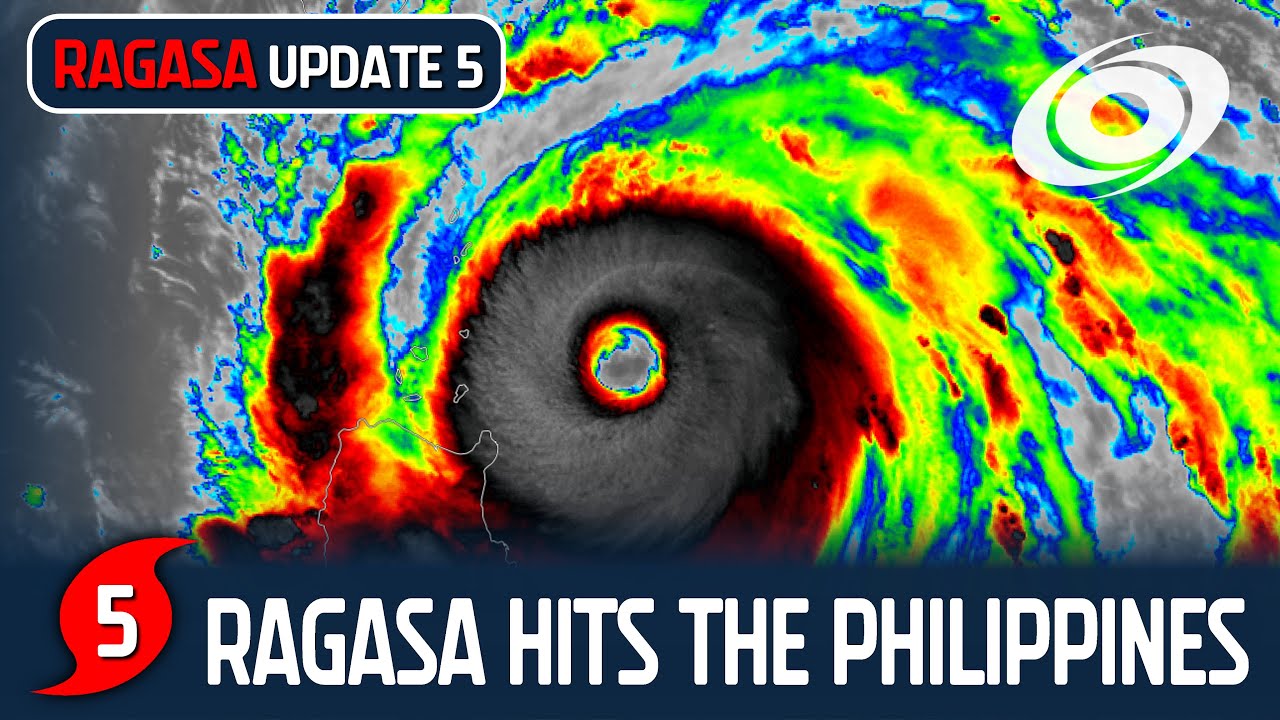
Super Typhoon Ragasa, identified locally as Nando, made landfall in the Philippines on the evening of September 22, 2025, impacting Panuitan Island in Cagayan Province. The storm brought sustained winds of 215 km/h and gusts up to 295 km/h, triggering widespread evacuations and emergency preparations across several Asian nations.
The typhoon's rapid intensification has been linked to unusually warm sea surface temperatures in the Western Pacific, a phenomenon consistent with climate change trends that are increasing the intensity of tropical cyclones. Scientific consensus suggests that human-caused climate change contributes to stronger typhoons due to higher sea surface temperatures.
In the Philippines, the National Disaster Risk Reduction and Management Council (NDRRMC) coordinated with organizations like CARE Philippines and the Department of Social Welfare and Development (DSWD) for crisis management. President Ferdinand Marcos Jr. placed the disaster response agency on full alert, mobilizing all government resources. Thousands were evacuated in Cagayan and Apayao provinces, with power outages reported in Calayan Island and Apayao province. Authorities issued warnings for storm surges potentially reaching three meters.
As Ragasa moved westward towards the South China Sea, its effects were felt across East and Southeast Asia. Hong Kong issued its third-highest typhoon warning, T8, leading to the cancellation of over 700 flights and the opening of 46 temporary shelters. Shenzhen, China, ordered the evacuation of approximately 400,000 residents from low-lying and flood-prone areas, with the city's airport halting flights. Guangdong province elevated its emergency response to the highest level, suspending markets, schools, and transport systems in over ten cities, and advising residents to stay indoors.
The proactive response measures, including the deployment of early warning systems like PhilAWARE, demonstrate an increasing capacity for disaster management. However, the immense force of Super Typhoon Ragasa underscores the ongoing need for vigilance and preparedness in the face of intensifying climate-related hazards, drawing parallels to the impacts of previous typhoons like Hato and Mangkhut.
11 Views
Sources
Al Jazeera Online
Travel And Tour World
The Nation Thailand
Weather.com
Read more news on this topic:



Did you find an error or inaccuracy?
We will consider your comments as soon as possible.