
Norman Foster's Vision Unveiled: Sheikh Zayed National Museum Opens in Abu Dhabi
Author: Ek Soshnikova
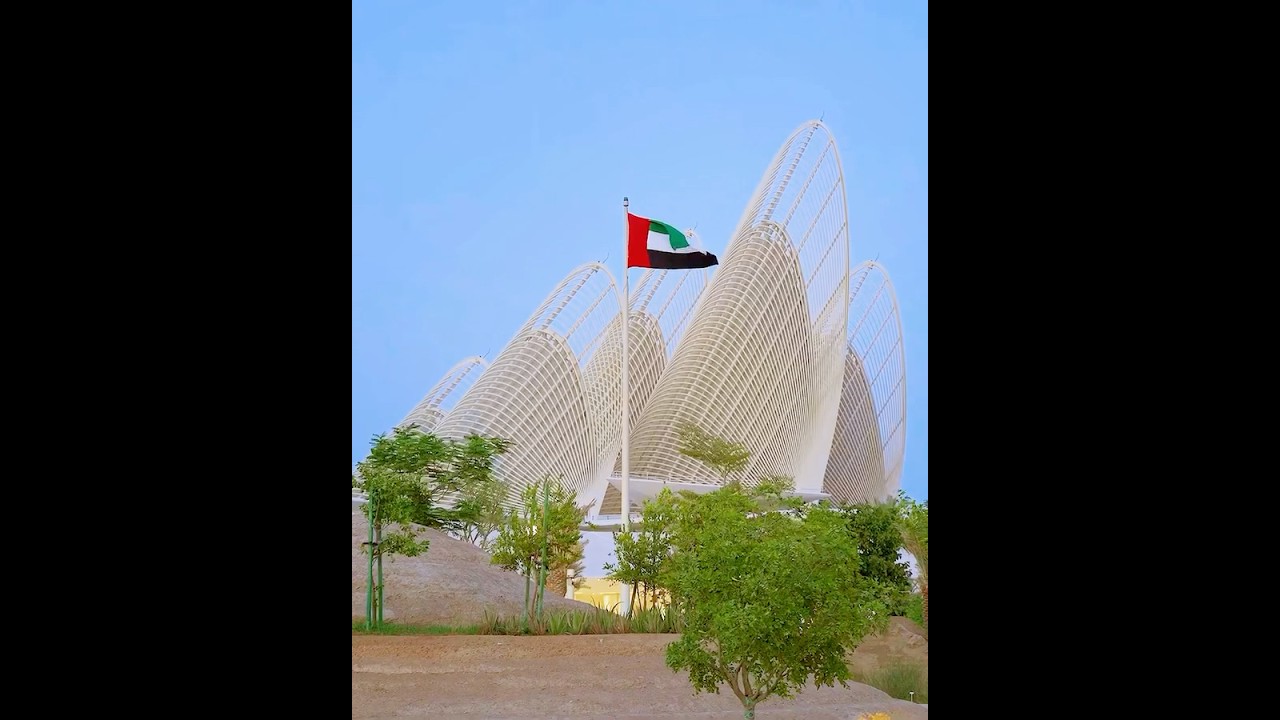
The much-anticipated Sheikh Zayed National Museum has officially opened its doors in Abu Dhabi, marking the culmination of a project that commenced back in 2008. This landmark cultural institution is the brainchild of Sir Norman Foster and his renowned firm, Foster + Partners. Its striking presence, characterized by five massive, aerodynamic wings, now serves as a defining feature of the Saadiyat Island district.
This expansive complex is dedicated to honoring the legacy and preserving the heritage of the United Arab Emirates’ founder, Sheikh Zayed bin Sultan Al Nahyan, who lived from 1918 to 2004. The architectural centerpiece of the design is these towering, wing-like structures, which create an unforgettable silhouette against the desert sky. Beyond their aesthetic appeal, these wings play a crucial functional role: they are integral to the museum’s climate control system, drawing hot air up and out of the central atrium to naturally regulate internal temperatures.
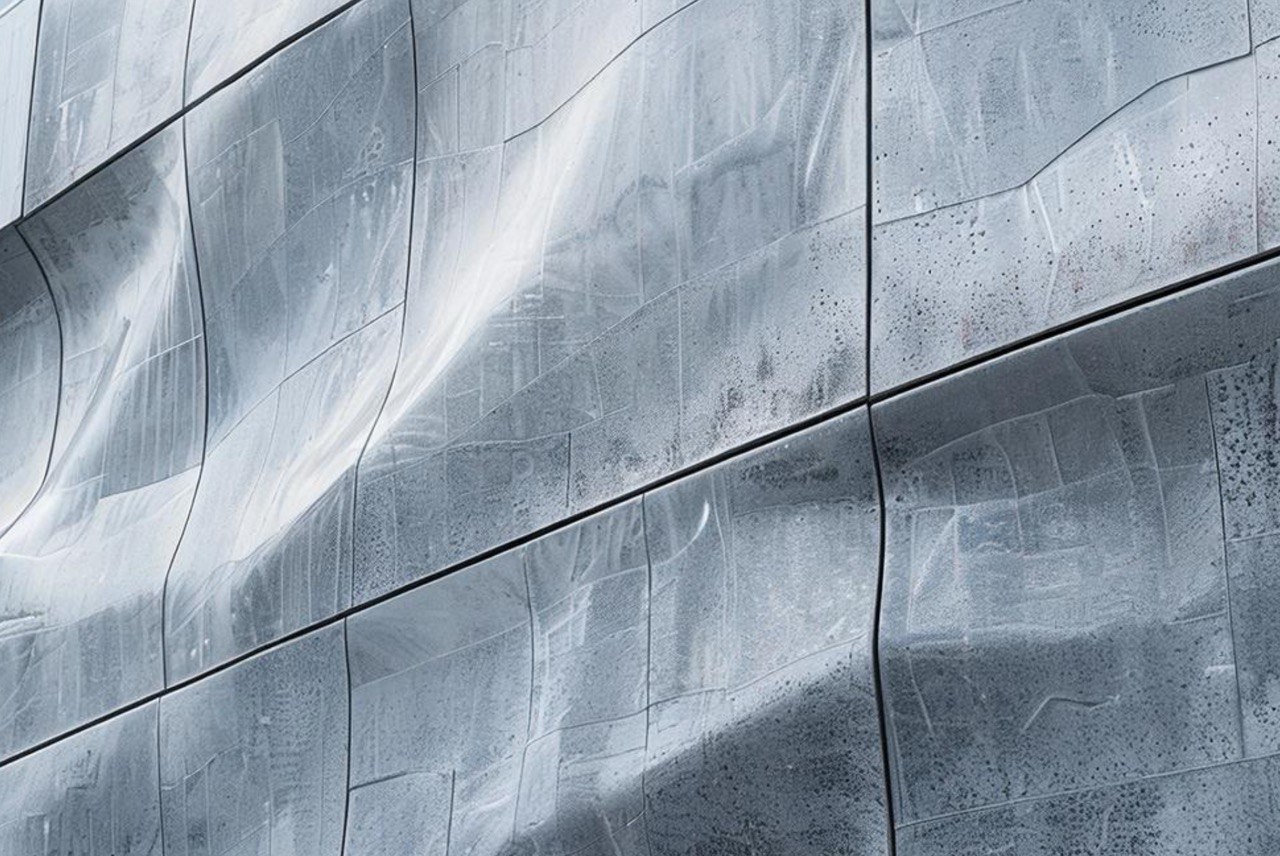
The construction phase presented significant engineering hurdles, particularly in tackling the region's intense climate. To combat the harsh heat, innovative solutions were implemented, including specialized cladding for both the walls and the roof. These materials provide essential thermal insulation, effectively shielding the interior spaces from direct solar radiation throughout the day.
The museum's interior is organized around a sunlit atrium, where natural light filters through a mesh canopy overhead. This creates intricate, patterned shadows dancing across the floors and walls—a design element that subtly echoes the traditional ornamentation found in historic Arabian mosques and palaces, beautifully marrying contemporary engineering with classic Arab architectural aesthetics.
Visitor circulation is thoughtfully designed. The ground floor houses two main galleries, while four additional exhibition spaces are suspended within what are described as 'cocoons.' This arrangement allows patrons the freedom to chart their own course through the exhibits. Access to the upper levels is provided via a sculptural, winding staircase, offering a dynamic journey through the museum’s collections.
The very form of the building is a testament to sustainable design in an arid environment. The museum spaces are nestled within what appears to be a sculpted sand dune, constructed using textured, faceted panels that act as a protective shield, deflecting excessive heat away from the structure. The material palette—featuring light tones of stone, concrete, and metal—contributes to an overall impression of lightness and airiness, despite the sheer scale of the architecture.
The Sheikh Zayed National Museum carries profound symbolic weight, intended to illustrate the harmony between the natural world and human endeavor. It is conceived as a vital spatial bridge connecting the nation’s past with its future aspirations, reinforcing the critical importance of safeguarding cultural treasures for generations to come.
4 Views
Sources
Zayed National Museum
Zayed National Museum
Zayed National Museum
Zayed National Museum
Zayed National Museum
Read more news on this topic:

Did you find an error or inaccuracy?
We will consider your comments as soon as possible.