



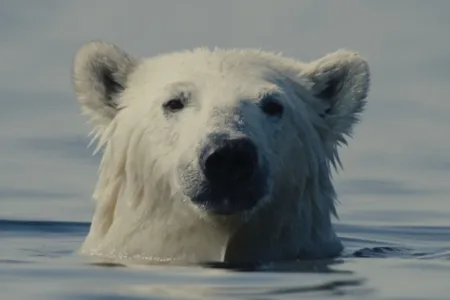
The 2026 Sundance Film Festival reached a significant peak with the announcement that the documentary "Nuisance Bear" (known in some regions as "Медведь-вредитель") had been honored with the U.S. Documentary Grand Jury Prize. This 90-minute cinematic achievement marks the feature-length debut of directors Jack Weisman and Gabriela Osio Vanden at the renowned Park City venue. The film is the result of an exhaustive ten-year production journey, representing a sophisticated expansion of their earlier short film which previously earned an Academy Award nomination. By bringing this long-term vision to the screen, the directorial duo has established a new benchmark for immersive environmental storytelling through their decade-long commitment to the project.
Set against the unforgiving backdrop of Churchill, Manitoba, the film examines the increasingly fraught relationship between local residents and the polar bear population. A critical component of the narrative is the focus on the Arviat community, providing a vital indigenous perspective on the region's ecological challenges. Weisman and Osio Vanden, acting as their own cinematographers, spent years documenting the Arctic landscape where the coexistence of humans and predators is a daily, high-stakes reality. Since its official competition premiere on January 24, 2026, the documentary has been lauded for its nuanced portrayal of climate change and the impact of modern encroachment on traditional territories and ancestral ways of life.
The documentary gains immense emotional weight through the inclusion of the late Mike Tunalaaq Gibbons, an Arviat native whose voiceover guides the viewer through the film's more somber moments. Gibbons provides a harrowing account of his son's death following a bear encounter, transforming the film from a nature study into a poignant human drama that explores the true cost of living on the edge of the wild. This narrative depth is complemented by a striking original score from Cristobal Tapia de Veer, the acclaimed composer behind the music of "The White Lotus." Together, the visuals and soundscape provide a detailed record of bear migrations through Churchill, a town famously known as the "polar bear capital of the world," capturing the raw beauty and inherent danger of the migration season.
In the unique ecosystem of Churchill, where international tourists and hunters share space with wildlife conservation officers, the film depicts the bears' desperate struggle to survive amidst delayed sea ice formation and food scarcity. The directors intentionally avoid a mythologized view of the wilderness, choosing instead to highlight a complex, human-altered landscape where animals must navigate the consequences of colonialism and global capitalism. A central sequence follows the journey of a specific bear after it is relocated by air from Churchill to the Arviat community, revealing how the dynamics of human-wildlife interaction vary across different geographic and social locales. Following its triumph at Sundance, "Nuisance Bear" is currently being showcased to international audiences at the Thessaloniki International Documentary Film Festival.


