
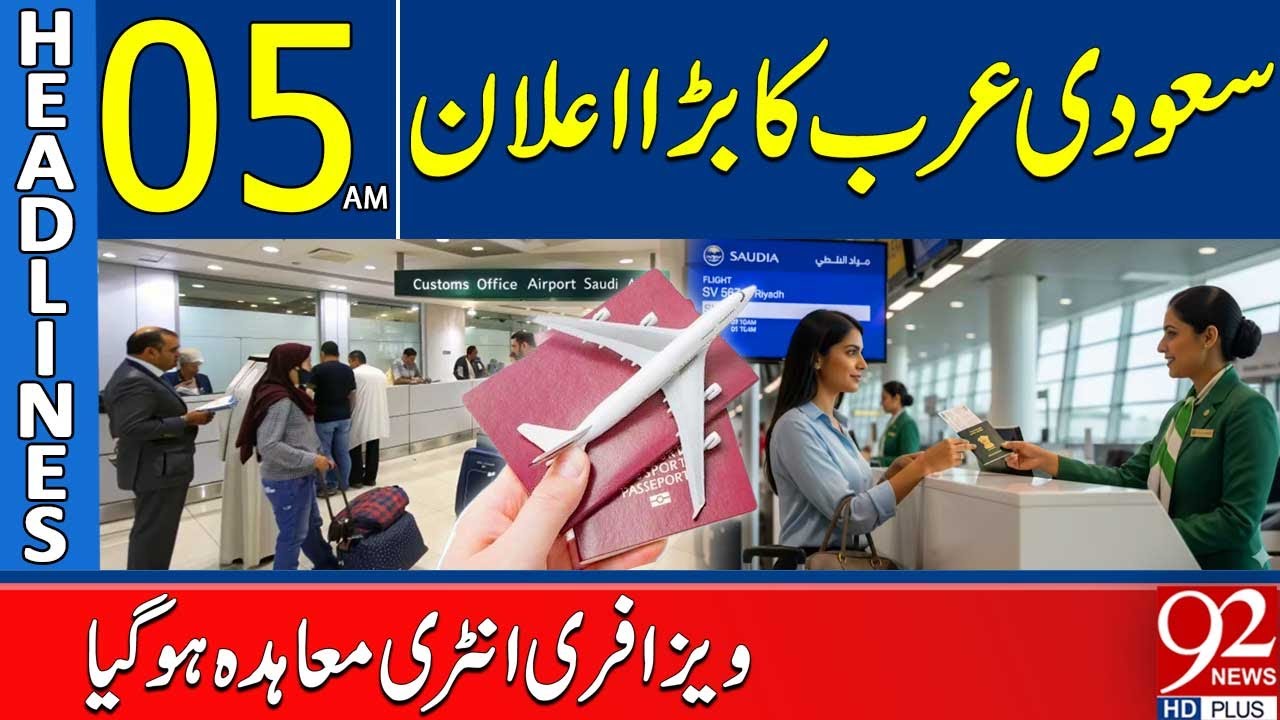
Russia and Saudi Arabia Establish Mutual Visa-Free Travel, Signaling Potential Easing of Tourism Restrictions
Edited by: Elena 11
A significant bilateral agreement eliminating visa requirements for holders of all passport types between the Russian Federation and the Kingdom of Saudi Arabia (KSA) was officially signed on December 1, 2025. The signing ceremony took place in Riyadh during the Russian-Saudi Investment and Business Forum. Following the signing, Deputy Prime Minister Alexander Novak indicated that the document is expected to take effect in early 2026.
This implementation timeline accounts for the necessary formal procedures and the exchange of official notifications between the nations, which are estimated to require approximately 60 days to complete. This diplomatic breakthrough is poised to substantially simplify travel between the two countries.
The comprehensive nature of this agreement permits citizens of both Russia and Saudi Arabia to stay within the other's territory for up to 90 days within a single calendar year. This allowance covers travel for tourism, business engagements, or religious pilgrimages. However, specific visa categories remain excluded from this waiver, notably those related to employment, educational pursuits, permanent residency, and the performance of the Hajj pilgrimage.
Tourism industry experts, including representatives from the Association of Tour Operators of Russia (ATOR), view this development as a powerful catalyst for increasing cross-border travel. Forecasts suggest that the volume of tourists could potentially double or even triple by the summer of 2026 as a direct result of this liberalization.
Concurrent with this diplomatic achievement, discussions are emerging among analysts regarding the potential relaxation of Saudi Arabia’s stringent regulations concerning alcohol consumption, public displays of affection, and dress codes for international visitors. Dr. Boris Dolgov, a Doctor of Historical Sciences and Senior Researcher at the Institute of Oriental Studies of the Russian Academy of Sciences, commented on this possibility.
Dr. Dolgov suggested that the Saudi government's ambition to cultivate more appealing tourist destinations might drive a gradual softening of certain restrictions. This easing could be particularly noticeable within specially designated tourism zones designed to cater specifically to European and Russian travelers. This shift reflects a pragmatic approach to economic diversification through tourism.
Currently, KSA’s legal framework is fundamentally rooted in Sharia law, which imposes clear guidelines on public conduct and attire. This framework currently prohibits establishments like nightclubs and bars and maintains strict dress code expectations for women. Nevertheless, the national push for tourism development, a central pillar of the national program, is clearly incentivizing regulatory evolution.
In response to anticipated demand, the national carrier, Saudia, is already making plans to boost flight frequency from Russia. There is also an outlook for expanding flight routes to include major Russian cities such as Kazan and Sochi. Ultimately, the practical benefits of visa-free access will hinge on the simultaneous development of supporting infrastructure and the overall accessibility of air travel options.
From a broader geopolitical standpoint, easing visa requirements underscores a developing trend toward multipolarity. Dr. Dolgov posits that this move also correlates with the increasing regional influence of both Russia and China, particularly given Saudi Arabia’s recent accession to BRICS. Despite these encouraging developments, it remains crucial for tourists to exercise due diligence and respect the Kingdom’s unique cultural norms, as ignorance of local, Sharia-based laws offers no exemption from legal accountability.
16 Views
Sources
Lenta.ru
aif.ru
The Times of India
TradeArabia
RUSSIA'S PIVOT TO ASIA
Arab News
Read more news on this topic:



Did you find an error or inaccuracy?We will consider your comments as soon as possible.