
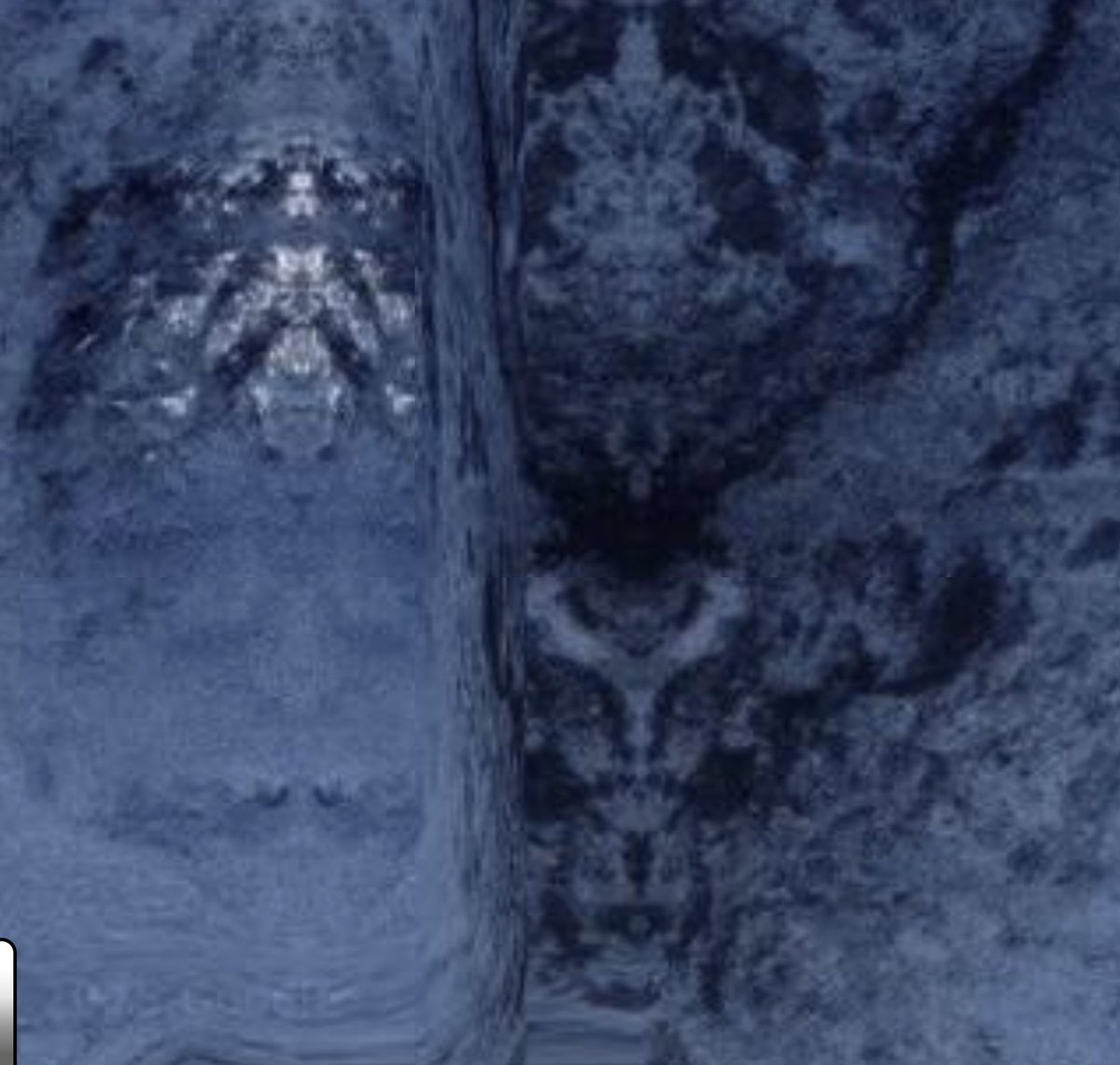
Exploring Pareidolia in Natural Rock Formations
Edited by: gaya ❤️ one
Recent discussions have highlighted instances where natural rock formations resemble human faces, a phenomenon known as pareidolia. This psychological occurrence involves the mind perceiving familiar patterns, such as faces, in random stimuli.
One notable example is the "Old Stone Face" along the California coastline, which resembles a human profile. This formation has been a subject of interest due to its uncanny resemblance to a human face.
Another instance is the "Badlands Guardian" in Alberta, Canada, a topographic feature that, when viewed from above, appears as a human head wearing a traditional First Nations headdress. This formation was discovered through satellite imagery and has intrigued many due to its resemblance to a human face.
These examples underscore the human tendency to find familiar patterns in nature, reflecting our brain's inclination to recognize faces, a trait that has been essential for social interaction and survival.
Understanding pareidolia provides insight into human perception and cognition, illustrating how our brains interpret and make sense of the world around us.
20 Views
Sources
Perth Now
Alberto de Agostini National Park
Pareidolia: Seeing Shapes in the Cosmos
The Face on Mars and Other Cases of Cosmic Pareidolia
Read more news on this topic:


Did you find an error or inaccuracy?
We will consider your comments as soon as possible.