


Trump Expresses Disappointment with Putin on Ukraine; Growing Russia-China Alliance Raises Geopolitical Concerns
Edited by: Svetlana Velgush
In a September 2, 2025 interview, U.S. President Donald Trump voiced significant disappointment with Russian President Vladimir Putin regarding the ongoing war in Ukraine. Trump indicated that his administration was preparing measures to mitigate casualties in the conflict and expressed confidence in the U.S. military's capabilities amidst international tensions.
Following recent diplomatic engagements with Ukrainian President Volodymyr Zelenskyy, Russian President Vladimir Putin, and various NATO leaders, Trump alluded to the possibility of a trilateral summit. However, direct negotiations between Zelenskyy and Putin remain stalled. Trump reaffirmed the United States' commitment to Ukraine's security and suggested further sanctions on Russia if peace progress falters. He also raised the idea of territorial negotiations, potentially involving land exchanges, as a component for resolution, a notion Ukraine has strongly opposed due to reservations about formal territorial concessions.
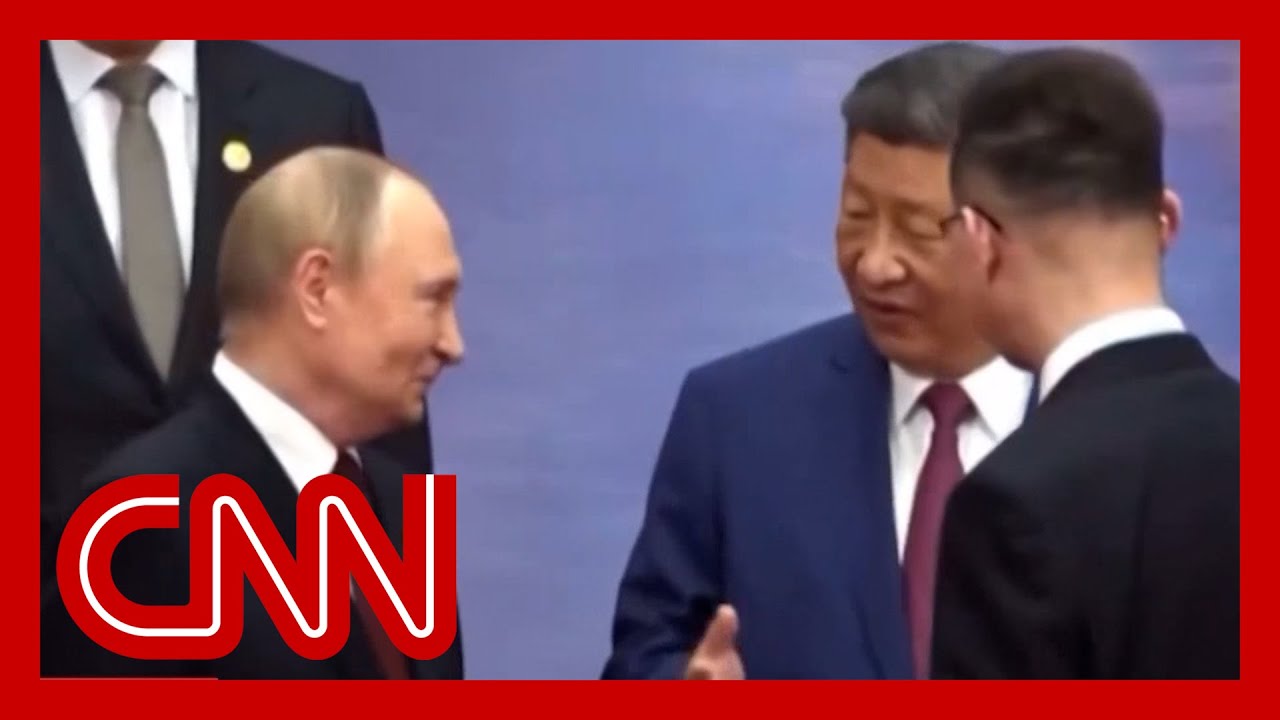
Concurrently, the strategic and economic ties between China and Russia have visibly deepened. Chinese President Xi Jinping recently hosted President Putin, and also engaged in discussions with Indian Prime Minister Narendra Modi, despite U.S. objections to India's continued imports of Russian oil. This burgeoning alliance, which includes a mutual defense pact established between Russia and North Korea in 2024, alongside a similar agreement between China and Pyongyang, signals the formation of a new geopolitical axis, sometimes referred to by analysts as the "Axis of Upheaval." This development is further underscored by Xi's planned significant meeting in Beijing with Putin and North Korean leader Kim Jong Un, a gathering that signifies a notable geopolitical shift, particularly in light of their involvement in the Ukraine conflict.
The deepening relationship between Russia and China, characterized by increased trade and military cooperation, presents a complex challenge to global stability. China's economic support has been crucial for Russia amidst Western sanctions, with bilateral trade accelerating significantly since 2022. This partnership, described as a "no-limits" arrangement prior to Russia's 2022 invasion of Ukraine, provides Russia with vital economic and military backing. The Russia-North Korea mutual defense treaty, signed in June 2024, has formalized a strategic partnership extending beyond military support to include clandestine trade networks and technological collaboration. North Korea's reported deployment of troops to Ukraine and its supply of artillery shells and ballistic missiles to Russia have intensified proliferation risks, particularly concerning dual-use satellite and missile technologies.
As of September 2, 2025, the global landscape remains dynamic, with ongoing diplomatic efforts focused on resolving the Ukraine conflict and navigating the evolving relationships between the United States, Russia, and China. The strategic alignment between Beijing and Moscow, animated by shared grievances against the current international order and mutual concerns about perceived external threats, particularly from the United States, has deepened across military, economic, and diplomatic spheres, posing a significant test for U.S. foreign policy.
13 Views
Sources
The News International
Reuters
Reuters
Read more news on this topic:


Did you find an error or inaccuracy?We will consider your comments as soon as possible.