



SYNTH BIKE 2.0 SYNTHESISER LOOK MUM NO COMPUTER
Share
Author: Inna Horoshkina One
SYNTH BIKE 2.0 SYNTHESISER LOOK MUM NO COMPUTER
On February 17, the BBC officially revealed the artist who will represent the United Kingdom at the Eurovision Song Contest 2026. This announcement marks a significant departure from the traditional pop-focused selections of previous years.
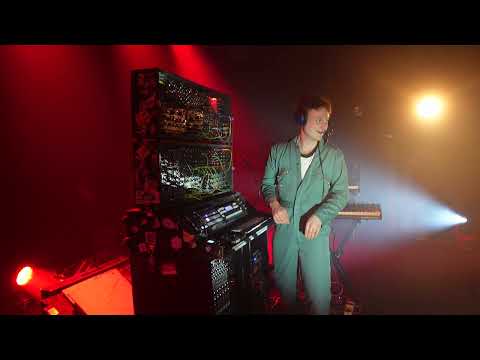
Someone In The Crowd Requested Blur Song 2 On Modular Synth haha
The chosen representative is not a conventional radio-formatted pop star. Instead, the UK is sending Look Mum No Computer—the innovative project of Sam Battle, a musician and engineer famous for constructing complex instruments from vintage electronics and discarded toys.
The official confirmation was delivered during The Scott Mills Breakfast Show on BBC Radio 2. This internal selection by the BBC highlights a new strategic vector for the broadcaster, focusing heavily on musical originality and avant-garde performance.
This decision is already being interpreted as a bold statement of intent. By choosing an artist like Battle, the BBC is signaling a move toward more experimental and authentic musical expressions on the global stage.
Sam Battle has earned a massive international following through his extraordinary technical creations. He is widely known for developing several unique musical machines, including:
Battle meticulously documents his intricate assembly and engineering processes on YouTube. Through his channel, he transforms the technical acts of soldering and circuit design into a profound cultural narrative about human creativity.
For this artist, the final sonic result is only one part of the artistic equation. The physical act of creation and the mechanical process of invention are considered just as vital as the performance itself.
In recent years, the United Kingdom has actively sought a balance between commercial radio appeal and high-impact stage presence. The selection of Look Mum No Computer represents a decisive step toward embracing artistic risk and creative authenticity.
While some may view this as an unconventional gamble, it is certainly not a safe or predictable choice for a mainstream competition. It moves the UK's entry away from the middle ground and into uncharted territory.
It is precisely this element of the unknown that makes the UK's participation so compelling this year. The performance promises to be a unique spectacle that challenges traditional Eurovision norms.
The upcoming stage show is expected to feature several groundbreaking elements, such as:
Although his specific entry song has not yet been presented to the public, the mystery surrounding the track has only served to heighten global expectations. Fans are eager to see how his analog aesthetic translates to the grand stage in Vienna.
What does this event contribute to the broader global soundscape? The implications of this choice extend far beyond the borders of the United Kingdom and the contest itself.
When a major national broadcaster like the BBC champions an experimental artist, it effectively expands the permissible boundaries of the mainstream. It suggests that the unconventional is no longer relegated to the margins.
This shift indicates that experimental art can successfully occupy the center of the stage. In this context, the BBC's decision has added a sense of genuine cultural bravery to the world's musical output.
It represents the courage to sound different and the willingness to defy the rigid expectations of a global audience. It is a celebration of individuality over conformity.
Ultimately, this event highlights the bravery required to be a work in progress. It champions the idea that music can be a living process rather than just a polished, final result.
As the road to Vienna begins, the eyes of the music world are on Sam Battle. His participation ensures that the 2026 contest will be remembered for its technical innovation and artistic audacity.


