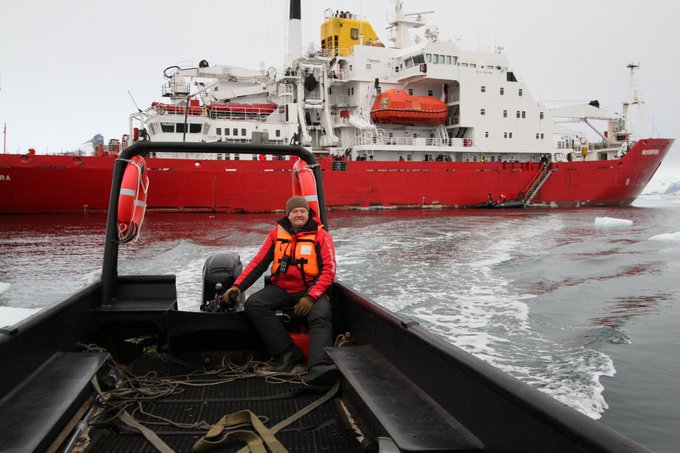
Peru has officially commenced its thirty-second scientific venture to Antarctica, designated ANTAR 32. This significant mission set sail from the port of Callao on December 19, 2025. This deployment firmly underscores Peru's unwavering commitment to utilizing the Antarctic continent strictly for peaceful and scientific endeavors. This dedication aligns perfectly with the stipulations of the Antarctic Treaty, which the nation ratified in 1981. The expedition is slated to run for a substantial 98 days, concluding on March 26, 2026, during which time researchers will execute 26 distinct research projects.
The scientific agenda for ANTAR 32 is comprehensive, encompassing 17 national projects alongside 9 international collaborations. The research focus centers on processes that are absolutely critical for a holistic global understanding. Key areas of investigation include in-depth oceanographic studies and the rigorous analysis of climate change impacts. These elements are paramount for deciphering the complex dynamics currently affecting the Southern Ocean. The Peruvian Institute of Geopolitical and Strategic Studies (IPEGE) has previously highlighted Peru's active role in Antarctic research as a central geopolitical priority for the country.
Prime Minister Ernesto Álvarez Miranda emphasized that solutions to pressing global challenges can indeed be uncovered in the Antarctic environment. He positioned this specific expedition as both an ethical imperative and a political commitment to safeguarding the future. Research conducted in this region holds immense weight, given that the continent's ice sheets contain over 80% of the world's accessible freshwater reserves. Consequently, the melting of this ice directly contributes to rising sea levels across the globe. The successful execution of this ambitious program is being facilitated by the institutional backing of the Peruvian Ministry of Foreign Affairs, which oversees the implementation of the nation's National Antarctic Policy.
The collaborative nature of ANTAR 32 clearly demonstrates the expansion of Peru's international scientific engagement, evidenced by the participation of numerous foreign partners in the various projects. Peru's permanent scientific outpost, the Machu Picchu Station, situated on King George Island, has been operational since 1989. The work undertaken by Peruvian scientists mirrors the objectives pursued by esteemed international bodies, such as the Arctic and Antarctic Research Institute (AARI) of Russia, which also concentrate heavily on climate and oceanographic studies.
Among the specific investigations planned, scientists will be examining the mechanisms by which ocean warming—specifically increases of 0.3–1.5°C observed at depths between 50 and 400 meters—is driving the retreat of ice shelves. This process weakens the buttressing effect that stabilizes the main ice sheet, thereby accelerating the flow of ice into the ocean. The ANTAR 32 mission is set to significantly advance the understanding of these fundamental mechanisms, which ultimately dictate the rate of sea-level rise over coming centuries. The consistent execution of these vital missions serves to underline the strategic importance of the polar regions for comprehending planetary systems as a whole.