


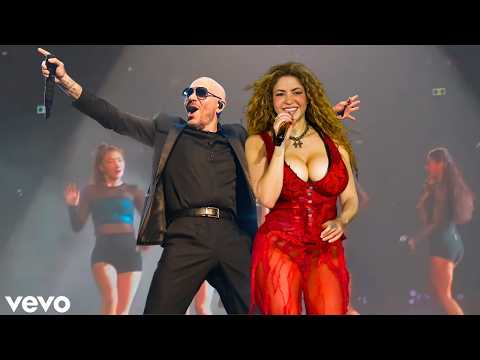
A neuroscience study by **Psyche Loui**’s team at **Northeastern University** has captured the attention of both the scientific and musical communities: EEG data showed that human brain rhythms synchronize significantly more with live performances than with the same music in a recorded format.
The study has been published in the **PubMed Central** database and is currently undergoing its publication cycle in **Social Cognitive and Affective Neuroscience**, making it one of the most discussed research papers in modern music neuroscience.
Researchers have termed this effect: **cerebro-acoustic phase-locking**
This means that neural oscillations literally "align" themselves with the rhythm of the music.
What the researchers discovered
A team of neuroscientists led by Psyche Loui studied listeners' brain reactions:
during live performances and while listening to the same music as a recording.
The results were conclusive: neural oscillations in the brain "coupled" more strongly with the rhythm of live music specifically. Moreover, this synchronization was a direct predictor of:
- pleasure levels
- depth of engagement
- a sense of presence
Why a recording sounds different to the brain
Even if the audio is technically identical, a live performance provides:
social context
visual presence
emotional transmission
a collective field of listeners
And the brain responds to this as a **collaborative process** rather than an individual listening experience.
The researchers emphasize:
the brain reacts in a measurably different way to live music
than to a recording of the same composition
Another confirmation from 2026: synchronization occurs between people
Additional studies show that listening to music together enhances **interpersonal neural synchronization** and the emotional bond between participants.
This means that music synchronizes not only the brain with the rhythm, but also one person's brain with another's.
And even hearts begin to sync
In music therapy, it has been discovered that heart rate synchronization occurs between people during a shared musical experience.
In other words, music literally creates: a shared physiological tempo of presence
How this changes our understanding of music today
These studies demonstrate that a concert is not just an event, but a biological synchronization network involving:
the brain
the heart
attention
movement
emotions
and a collective perception of time
What have these discoveries added to the world's sound?
Live music does not just work as art. It functions as a field.
When the stage comes alive, it isn't just the instruments that sync up; the people do too.
Today, neuroscience has measured for the first time what music has always known: live sound connects people physiologically, not just metaphorically.
Brain rhythms synchronize. Hearts align. Attention converges.
And wherever a stage is established, a space of shared time emerges.
It is no coincidence that Ludwig van Beethoven once said:
Music is a higher revelation than all wisdom and philosophy.
Today, we are beginning to understand why.
Because live music is more than just art. It is the moment when an individual stops listening alone and starts resonating with others.
And perhaps that is exactly why humanity continues to gather at concerts—
because in those moments, we literally begin to sound as one.


