


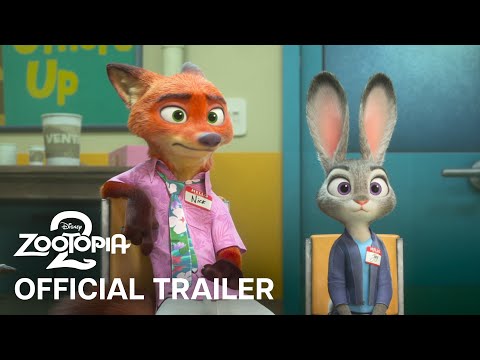
By April 2026, analyzing the Zootopia 2 phenomenon has become far more compelling than simply making predictions. Having debuted last fall, the film did more than just meet expectations—it rewrote the industry's rulebook by grossing an incredible $1.7 billion. Disney achieved a feat rarely seen in sequels: expanding the world without sacrificing its core essence.
The film’s greatest asset was the introduction of reptiles. Gary the Python’s arrival shattered the metropolis’s long-standing mammalian monopoly. One might wonder how difficult it is to integrate cold-blooded creatures into a city built for those who generate their own heat? The writers utilized this friction as a metaphor for inclusivity, lending the detective narrative a deeper and more mature tone.
Nick and Judy have evolved from partners into seasoned investigators facing a conspiracy surrounding the "Zootennial"—the city’s centennial anniversary. The plot proved that mainstream animation can thrive within the gritty noir genre while remaining accessible to children. This sets a course for content that matures alongside its audience.
The film's success confirms a shift in the economics of cinema. Audiences are increasingly casting their votes for meticulously developed worlds. Investments in the detailed construction of new districts, such as the marshy outskirts designed for reptiles, have paid off handsomely. This provides hope that studios will be less hesitant to embrace complex scripts and diverse character species in the future.
Will this success serve as the foundation for a complete cinematic universe, or will Disney rest on its laurels? For now, one thing is certain: Nick and Judy have restored our faith that a sequel can surpass the original when driven by a bold idea rather than just a desire for profit.


