


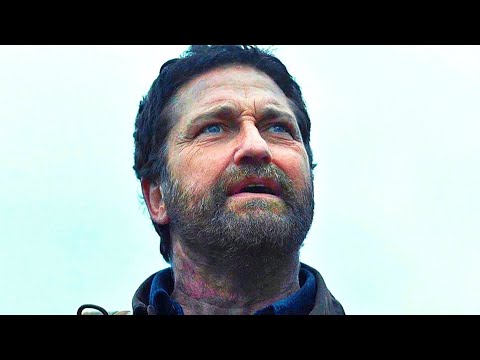
The film industry began January 2026 under the shadow of "Migration." While major studios focus on refining visual effects for their superhero franchises, this "Greenland" sequel—modest by blockbuster standards—has dominated streaming charts just three months after its release. Why has a story about a freezing Europe resonated more deeply than the fate of the multiverse?
The secret lies in its "groundedness." Five years after the comet's impact, the Garrity family is forced to abandon their bunker. Instead of grand spectacles of urban destruction, we witness a methodical struggle for survival in a world where the primary threats are logistics and human error rather than cosmic forces.
The film serves as a practical guide to crisis management. It illustrates how basic social bonds are reforged amidst a total collapse of infrastructure. By 2026, audiences are seeking adaptation strategies rather than mere escapism. This shift could ultimately bolster public awareness regarding the significance of local communities and personal accountability.
The protagonists' journey through the ruins of England toward southern latitudes serves as a metaphor for finding a new footing. We are witnessing a reboot of the world rather than its end. The success of "Migration" on Amazon Prime Video highlights a shift: viewers now prioritize authentic storytelling over massive production budgets.
Could you maintain your humanity if the path to salvation led across a frozen wasteland with nothing but an old map and the will to survive? The score and cinematography merely provide a backdrop for the central question: what exactly will we rebuild once the dust finally settles?
This film is valuable because it deromanticizes catastrophe. It teaches us to appreciate the fragility of our current comforts by offering a path forward based on labor and mutual aid rather than miracles.


