


Seven Core Habits for Sustained Well-being in Contemporary Life Dynamics
Edited by: Olga Samsonova
Recent psychological assessments have identified a core set of seven fundamental practices consistently adopted by individuals who maintain high levels of well-being while navigating the complexities of modern existence. These findings emphasize a shift in focus toward cultivating an internal positive mindset and emotional autonomy, moving beyond the mere accumulation of material wealth or the pursuit of transient pleasures to address the architecture of enduring contentment.
One foundational element involves initiating the day with a deliberate practice of gratitude. Systematic reviews confirm that this specific cognitive focus elevates life satisfaction, and a 2024 medical study involving women indicated that those with the highest gratitude scores showed a 9% lower risk of death over a subsequent four-year period compared to those with the lowest scores. This simple ritual conditions the brain to register appreciation for positive inputs.
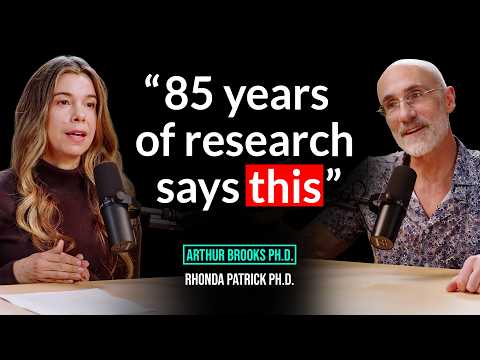
Crucially, the research identifies robust social connections as paramount for sustained well-being. The 85-year-long Harvard Study of Adult Development consistently reports that strong social bonds are the single most reliable predictor of both happiness and longevity, with Dr. Robert Waldinger, the study's director, asserting that socially connected individuals are healthier and live longer. Furthermore, research utilizing data from the Midlife in the United States (MIDUS) project on over 2,100 adults demonstrated that sustained social advantage across family, friends, and community settings correlated with slower rates of cellular aging and reduced chronic inflammation.
Another vital component of emotional mastery involves the acceptance of difficult or negative emotions rather than engaging in suppression. This practice is central to psychological flexibility, defined as the capacity to adaptively respond to internal and external experiences with openness and awareness. Research indicates that suppression can be counterproductive, whereas acceptance facilitates non-judgmental engagement with negative emotions, fostering resilience and promoting flexible emotion regulation strategies that support the pursuit of meaningful objectives.
Genuine fulfillment is often derived from engaging in activities aligned with personal purpose, a concept known in philosophy as eudaimonia, which contrasts with hedonic happiness rooted in immediate pleasure. Eudaimonic well-being stems from authenticity, meaning, virtue, and growth, fostering a long-term view and responsibility as a byproduct of purposive activity, rather than something that can be directly packaged or sought as an end in itself.
These internal disciplines must be supported by consistent attention to the physical self. Prioritizing physical health, ensuring adequate sleep, and actively managing personal energy reserves are identified as non-negotiable prerequisites for sustained mental and emotional equilibrium. For instance, breaking physical activity into short 'movement snacks' throughout the day is shown to be more effective for mood elevation than saving all exercise for one longer session, activating endorphin release.
The integration of these habits—gratitude, connection, acceptance, purpose-driven action, and physical care—creates a synergistic effect. The quality of one's life is shown to closely reflect the quality of these daily habits, which, through repetition, mold thoughts and behaviors. This framework suggests that sustained happiness in the modern era is less about external achievement and more about the intentional, daily commitment to these core psychological and physiological routines.
5 Views
Sources
JawaPos.com
Suara Surabaya
Jawa Pos
Jawa Pos
HAPDAY
Jawa Pos
Read more articles on this topic:


Did you find an error or inaccuracy?We will consider your comments as soon as possible.