


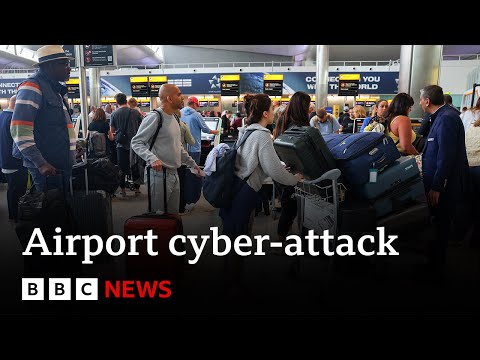
A significant cyberattack targeting the check-in and boarding systems of Collins Aerospace's MUSE software has caused widespread disruption at several major European airports, including London Heathrow, Brussels, and Berlin Brandenburg. The incident, which began on the night of September 19, 2025, forced these airports to revert to manual processing, leading to extensive flight delays and cancellations.
Collins Aerospace, a subsidiary of RTX Corporation, confirmed a "cyber-related disruption" to its MUSE software, which is crucial for electronic passenger check-in, baggage tagging, and boarding pass validation. While the company stated that the impact was limited to these functions and could be managed manually, the on-ground reality depicted significant operational snarls. Brussels Airport reported a "large impact" on its flight schedule, advising passengers to confirm their travel plans with airlines. London Heathrow warned of potential delays, and Berlin Brandenburg noted increased waiting times at check-in due to the issue affecting a pan-European system provider.
The aviation sector has seen a substantial increase in cyberattacks, with reports indicating a 600% rise between 2024 and 2025. This reliance on interconnected digital systems, while enhancing efficiency, also creates vulnerabilities. The current disruption underscores the fragility of these systems, necessitating a return to manual check-in and boarding processes.
This event raises critical questions about the cybersecurity posture of the aviation industry. Experts suggest that the sector's extensive digitalization and reliance on third-party providers create a broad attack surface. The motives behind such attacks remain speculative, but their impact is undeniable, serving as a stark reminder of the need for enhanced cybersecurity measures and robust contingency planning across the entire aviation supply chain. The European Union Aviation Safety Agency is expected to review protocols in light of this incident and similar past events, such as a global IT outage in 2024 caused by a faulty software update.


