


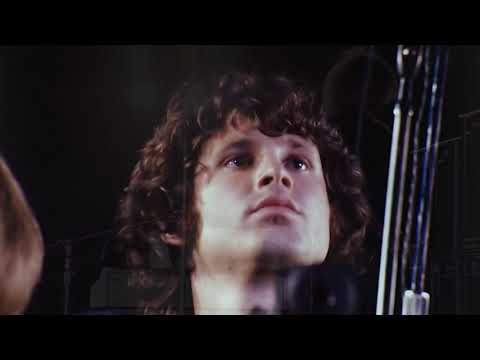
The Doors - Light My Fire (Live At The Bowl '68) HD
Share
Edited by: Inna Horoshkina One
The Doors - Light My Fire (Live At The Bowl '68) HD
Sometimes, the most significant shifts in the music industry are not triggered by technological breakthroughs but by the courageous, singular decisions of the artists themselves. The late 1960s and the mid-1970s provided two such transformative moments, occurring in the vastly different realms of rock and country music, yet sharing a common spirit of rebellion.
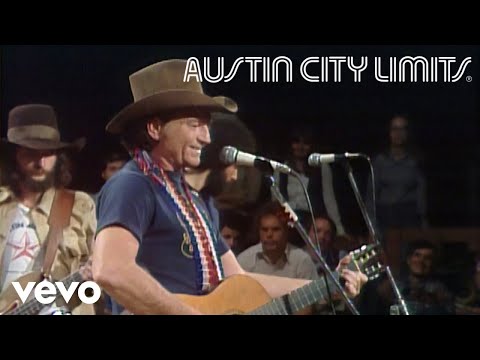
Willie Nelson - Blue Eyes Crying In the Rain (Live From Austin City Limits, 1976)
In July 1967, the legendary band The Doors released their seminal track "Light My Fire," a composition that clocked in at nearly seven minutes. This duration was a radical departure from the standard three-minute window that radio stations typically demanded for potential hits, challenging the very definition of a commercial single.
Primarily penned by the group's guitarist, Robby Krieger, the song quickly evolved into a powerful emblem of newfound musical liberation. It challenged the rigid constraints of the era and signaled a shift in how artists approached their craft, moving away from manufactured sounds toward something more organic.
While traditional AM radio stations initially favored a heavily edited, shorter version to fit their strict schedules, many pioneering disc jockeys on the FM band began broadcasting the full, unedited recording. This allowed the long instrumental passages to reach a public hungry for more substantial and experimental content.
This shift coincided perfectly with the burgeoning popularity of FM broadcasting, which offered a significantly cleaner audio signal and greater programming flexibility than its predecessors. As FM radio expanded its reach, it fundamentally altered the landscape of the musical airwaves by prioritizing artistic depth and atmospheric soundscapes.
On July 29, 1967, "Light My Fire" achieved a historic milestone by ascending to the number one spot on the Billboard Hot 100. This achievement served as definitive proof that the listening public was ready to embrace music as an immersive journey rather than just a fleeting, radio-friendly hook.
Fast forward several years, and a remarkably similar act of creative defiance resonated within a completely different musical subculture. In 1975, Willie Nelson released his landmark album Red Headed Stranger, a project that stood in direct opposition to the polished, high-production standards of the Nashville establishment.
Rather than opting for the lush, string-heavy orchestral arrangements common at the time, Nelson chose a stark, almost ascetic sonic palette for the record. He demanded and maintained total artistic autonomy throughout the recording process, ensuring that his minimalist vision remained untainted by corporate expectations or industry norms.
The album's lead single, "Blue Eyes Crying in the Rain," became a massive success in the autumn of 1975. It not only secured the top position on the country charts but also climbed to the 21st spot on the Billboard Hot 100, proving that a simple, honest sound could resonate with a broad audience.
The Red Headed Stranger album demonstrated incredible longevity, remaining on the charts for approximately 120 weeks. It became a foundational pillar of the outlaw country movement, a genre defined by its emphasis on raw sincerity, independence, and the refusal of the performer to conform to the Nashville system.
When examining these two historical narratives together, a clear thematic thread emerges from that era. The psychedelic rock explorations of The Doors and the liberated country sounds of Willie Nelson were born from the same fundamental impulse: the desire to remain authentic, even when that authenticity clashed with formats.
Both acts were driven by the need to sound honest, regardless of whether their work fit into the pre-defined boxes of the music business. In the end, it was the industry that had to adapt to the artists, rather than the artists compromising their vision for the sake of the format.
The consequences of these bold moves extended far beyond the songs themselves, as they reshaped the foundations of the business. Radio programming, studio production techniques, and listener expectations all underwent a profound transformation in the wake of these releases, paving the way for future innovators.
These events contributed a unique dual legacy to the global soundscape: the fiery spirit of improvisation and the undeniable power of simplicity. They proved that when an artist follows their internal voice, the format of the industry eventually begins to change in the wake of the music.
ScreenRant
American Songwriter
Sarah Polonsky | ScreenRant
LIGHT MY FIRE – DOORS - Official Charts
AM/FM Radio Audience Overtakes TV for the 1st Time in Media History
THE DOORS albums ranked by sales - BestSellingAlbums.org
The Doors score their first #1 hit with “Light My Fire” - History.com
Wikipedia
Songfacts
stillisstillmoving.com
Songfacts


