


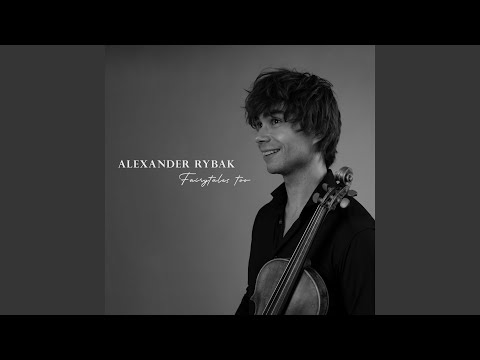
Alexander Rybak is set to make a highly anticipated return to the Norwegian national selection, Melodi Grand Prix 2026. However, he isn't simply revisiting the glory of his past triumphs; instead, he is introducing a brand-new composition titled "Rise." This entry serves as a vital indicator that his participation is not merely a nostalgic comeback, but rather a significant expansion of his artistic and personal trajectory.
To truly grasp the essence of "Rise," one must look back at his previous work and the legacy he built. While his record-breaking hit "Fairytale" was a narrative of youthful conviction—bright, impulsive, and almost innocent in its delivery—"Rise" resonates as the voice of an individual who has experienced the complexities of life. It is the sound of someone who has faced falls, wrestled with doubt, lost their footing, and ultimately rediscovered their foundation from within.
This new musical chapter does not attempt to escape the shadow of the past, nor does it seek to rewrite the history that made him a global star. Instead, "Rise" shifts the focus away from the pursuit of a trophy or a specific score. The core of the song is not about the act of winning itself, but rather the profound process of ascending once the initial victory has already been achieved and the dust has settled.
The thematic architecture of the song is constructed around a message that is both straightforward and deeply mature. It speaks to the reality of personal resilience and the internal strength required to move forward. The meaning of the track is built upon several key realizations that Rybak has embraced during his journey:
- You are not perpetually required to remain at the summit of success or fame to have value.
- You do not have to live up to the rigid and often unrealistic expectations imposed by the public or the industry.
- You possess the inherent ability to stand up again, finding strength from a completely different and more authentic place within your soul.
In this context, the concept of "rising" is not depicted as a flashy or dramatic ascent for the cameras. It is portrayed as a quiet, internal resolve—the courage to stand up when the room is silent and no one is left to applaud. It represents the determination to continue the journey long after the echoes of previous cheers have faded into the distance.
By choosing to compete with "Rise," Rybak fundamentally alters the logic behind a high-profile return to the Melodi Grand Prix 2026 stage. He is no longer in a position where he has to prove his capabilities or his talent to the world. Rather, he is using this platform to share the wisdom and realizations he has gathered during his years away from the spotlight.
This shift in perspective ensures that his story avoids the pitfalls of being a mere nostalgia act. It transforms into a narrative that is both deeply human and universally relatable. It explores the concept of growth following massive success, the reality of life after the "fairy tale" ends, and the attainment of maturity without losing one's inner light.
When considering what this event contributes to the global musical landscape, the evolution is clear. Where the previous fairy tale focused on the external experience of love, this new chapter emphasizes the importance of remaining true to oneself. The direction of his journey has shifted from a horizontal path across the world to a vertical exploration of depth and self-ascent.
Ultimately, this return demonstrates that coming back to the stage does not have to be a step backward into the past. For Alexander Rybak, it represents a step upward into a new phase of his career. The story continues in a space where victory is no longer the final destination, but a point of liberation that allows for genuine growth, profound depth, and the reaching of new heights.


