


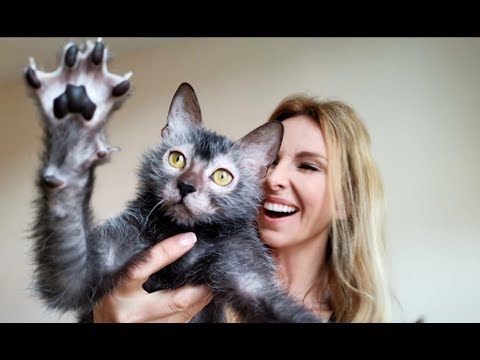
THE WOLF CAT - The Lykoi
Share
Author: Svetlana Velhush
THE WOLF CAT - The Lykoi
While both the Lykoi and Toyger breeds remain relatively exclusive and carry premium price tags—with kittens often retailing between $1,500 and $5,000 or more—their presence in the public eye has surged dramatically. This rise in popularity is largely fueled by social media platforms, viral video content, and a growing consumer appetite for the "wild yet domestic" aesthetic. The Lykoi, often referred to as the werewolf cat, and the Toyger, a miniature tiger, perfectly satisfy the desires of modern pet owners by offering the striking appearance of wild predators while maintaining the affectionate, social temperaments typical of domestic companions.

13 Things You Should Know Before Getting a Lykoi Cat (The Werewolf Cat) | The Cat Butler
The Lykoi breed, whose name is derived from the Greek word lykos meaning wolf, originated from a natural recessive mutation found in domestic shorthair cats. These unique animals possess a partial lack of hair follicles, which results in a complete absence of an undercoat and creates a distinct "mask" of bare skin around the eyes and nose. By 2026, felinologists officially confirmed that this mutation is not indicative of any underlying skin disease. Instead, it is a unique biological mechanism involving a cyclic shedding process that enthusiasts call "wolfing out," where the cat may experience periods of partial or total baldness.
Despite their rugged and somewhat prehistoric appearance, Lykois are physically vulnerable and require specific environments to thrive. Their skin remains exceptionally sensitive to both ultraviolet radiation and cold temperatures, necessitating a strictly indoor lifestyle. This fragility contrasts with their wild look, making them specialized "apartment dwellers" that require attentive care. Owners must be mindful of their unique dermatological needs, as their skin is constantly in a state of renewal, distinguishing them from any other feline breed currently recognized by major associations.
In contrast to the Lykoi’s natural origins, the Toyger is the product of meticulous, precision breeding. The breed's founder, Judy Sugden, embarked on a mission to develop a cat whose mackerel tabby stripes would mirror the intricate circular patterns of a wild tiger as closely as possible. By the year 2026, the Toyger achieved full recognition from the world's most prestigious feline organizations, including the International Cat Association (TICA) and the Cat Fanciers' Association (CFA). This milestone solidified its status as a premier designer breed on the global stage.
A primary factor behind the Toyger's success is the total absence of "wild" blood in its lineage, a significant departure from other exotic-looking breeds like the Bengal. Toygers are genetically predisposed to have an exceptionally high level of trust in humans. This docile nature makes them ideal "therapeutic" companions for residents of bustling metropolises who seek the majesty of a big cat without the unpredictable temperament of a hybrid. Their social intelligence and calm demeanor have made them a favorite among urban families looking for a reliable and exotic-looking pet.
The rapid ascent of these exotic breeds has sparked significant debate within the veterinary and ethical communities. Critics of the Lykoi point to potential long-term health risks, such as the development of cysts or melanoma, stemming from their unusual follicle structure. Meanwhile, Toyger breeders often face scrutiny for what some call an overly "designer" approach to living beings. Nevertheless, market analysts predict that by the end of 2026, the demand for these "pocket tigers" and "werewolf cats" will increase by another 15%, as they align perfectly with the modern concept of an exotic yet safe household pet.
Reflecting on the unique nature of these animals, Dr. Johnny Gobble, a veterinarian and one of the original co-discoverers of the Lykoi breed, emphasizes their scientific and emotional value. He notes that the Lykoi is not simply a cat, but a biological miracle. According to Dr. Gobble, their skin is in a state of permanent renewal, making them a living textbook on dermatology while simultaneously being incredibly loyal and devoted friends. This blend of scientific intrigue and domestic companionship continues to drive the fascination with these extraordinary breeds as they move into the mainstream.
The International Cat Association (TICA): Официальный реестр и стандарты породы Тойгер
Journal of Genes (MDPI): Научное исследование генетических вариантов HR-гена, вызывающих фенотип «оборотня» у Ликоев


